
Should I Get A Transmission Flush Or Change
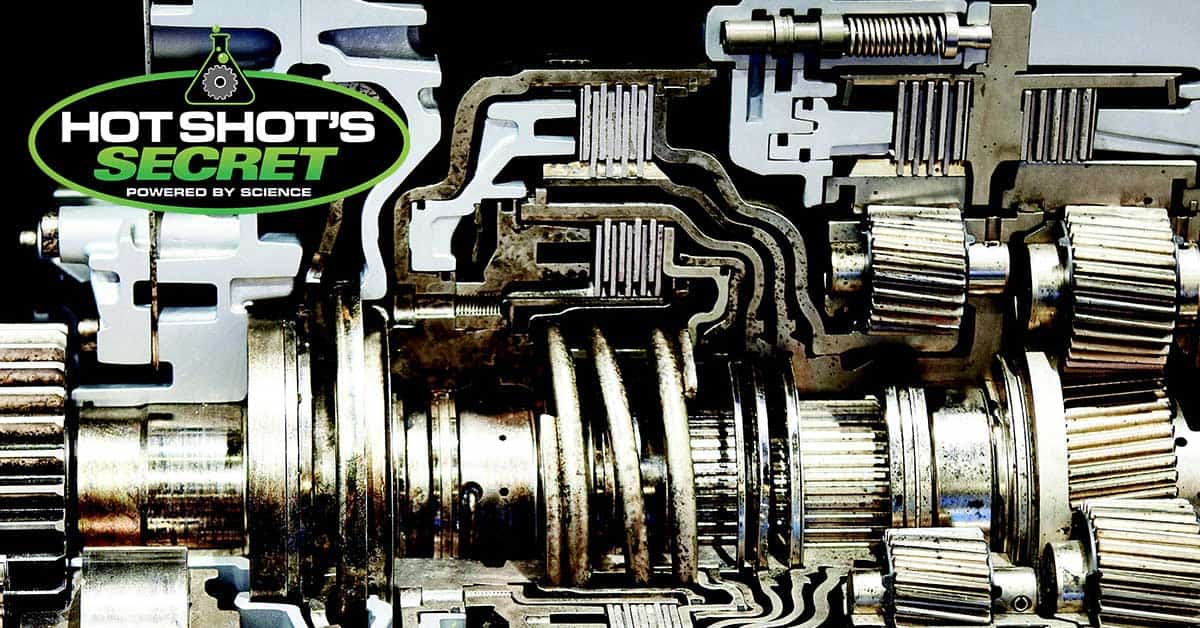
The age-old question of whether to get a transmission flush or a simple fluid change is taking on a whole new dimension as the automotive landscape rapidly evolves. We're not just talking about internal combustion engines (ICE) anymore; electric vehicles (EVs), hybrids, and smart automotive solutions are reshaping how we think about – and maintain – our vehicles. So, let's dive into this evolving dilemma and see how it applies to the future of mobility.
Understanding the Basics: Flush vs. Change
For traditional automatic transmissions, the debate centers around removing all the old fluid (flush) versus draining and replacing a portion of it (change). A transmission flush typically uses a machine to force new fluid through the entire system, including the torque converter, potentially dislodging built-up debris. A fluid change, on the other hand, simply drains the fluid from the pan and replaces it. Both aim to replenish vital lubricants and remove contaminants that can compromise performance and longevity.
However, with the rise of increasingly complex and electronically controlled transmissions, this simple distinction becomes more nuanced. Modern transmissions often feature intricate valve bodies, solenoids, and sensors that are sensitive to debris. A poorly executed flush, especially on a high-mileage vehicle, could dislodge large particles and cause more harm than good. Always consult your vehicle's manufacturer recommendations and a trusted mechanic.
The Electric Vehicle (EV) and Hybrid Twist
Now, let's throw EVs and hybrids into the mix. Electric vehicles, by and large, don't have traditional multi-gear transmissions like their ICE counterparts. Instead, they often utilize a single-speed reduction gear or a more simplified gearbox. This means the maintenance requirements are significantly different. The "transmission fluid" in an EV, typically referred to as gearbox oil or transaxle fluid, primarily lubricates gears and bearings. While flushes are generally *not* necessary, fluid changes at recommended intervals are still crucial for maintaining optimal performance and preventing wear. Ignoring this maintenance can lead to premature failure of the reduction gear, a costly repair.
Hybrid vehicles present a more complex scenario. Some hybrids use traditional automatic transmissions coupled with electric motors, while others utilize continuously variable transmissions (CVTs) or specialized hybrid transaxles. In these cases, the maintenance requirements vary greatly depending on the specific design. It’s absolutely critical to consult the vehicle's service manual and seek advice from a mechanic experienced with hybrid powertrains. CVT fluid, in particular, requires specific types and change intervals to ensure proper belt and pulley operation. Using the wrong fluid or neglecting maintenance can lead to serious CVT damage.
Smart Automotive Solutions and Predictive Maintenance
The future of transmission maintenance isn't just about flushes and changes; it's about predictive maintenance. With the advent of connected cars and advanced sensor technology, vehicles are becoming increasingly capable of monitoring their own health and predicting potential failures before they occur. This data-driven approach allows for proactive maintenance, potentially eliminating the need for traditional, scheduled flushes or changes. Imagine a system that continuously analyzes the condition of your transmission fluid, monitors its temperature, and detects signs of wear or contamination. This system could then recommend specific maintenance interventions only when necessary, optimizing performance and reducing costs.
However, this technology is not without its challenges. Data privacy and security are paramount concerns. Consumers need to be confident that their vehicle data is being used responsibly and ethically. Furthermore, the cost of implementing and maintaining these advanced systems can be significant, potentially increasing the overall cost of vehicle ownership. Standardized diagnostic protocols and data formats are also needed to ensure compatibility across different vehicle manufacturers and service providers.
Challenges and Opportunities
The transition to electric and hybrid vehicles presents both challenges and opportunities for the automotive service industry. Mechanics need to adapt to new technologies and acquire specialized skills to properly diagnose and repair these vehicles. Training programs and certifications are crucial for ensuring that technicians are equipped to handle the complexities of electric powertrains and advanced transmission systems. The supply chain for specialized fluids and replacement parts also needs to be established and maintained to support the growing fleet of electric and hybrid vehicles.
On the other hand, this transition also creates new opportunities for innovation and entrepreneurship. Companies can develop new diagnostic tools, maintenance procedures, and aftermarket solutions for electric and hybrid vehicles. The development of sustainable and eco-friendly transmission fluids is another area with significant potential. As the automotive industry embraces sustainability, there will be a growing demand for products that minimize environmental impact.
In conclusion, the question of whether to get a transmission flush or change is becoming increasingly complex in the era of electric vehicles, hybrids, and smart automotive solutions. While traditional ICE vehicles still benefit from regular maintenance, the requirements for EVs and hybrids are significantly different. Predictive maintenance and data-driven approaches offer the promise of optimizing performance and reducing costs, but also present challenges related to data privacy and security. The automotive service industry needs to adapt to these changes and embrace new technologies to remain relevant in the future.
Looking ahead, we envision a future where vehicles are self-diagnosing and self-maintaining, seamlessly integrating with a network of intelligent service providers. Imagine a world where your car automatically schedules a fluid change based on real-time data analysis, ensuring optimal performance and longevity without you ever having to worry about it. This is not just a dream; it's the inevitable destination on the road to smarter, more sustainable mobility.