
Signs You Need To Change Transmission Fluid
Your transmission, whether automatic or manual, is a complex system responsible for transferring power from your engine to your wheels. Like any intricate machine, it requires regular maintenance, and one of the most critical aspects of that maintenance is changing your transmission fluid. Ignoring this vital task can lead to a cascade of problems, from reduced fuel efficiency to complete transmission failure. But how do you know when it's time for a transmission fluid change? Let's explore some telltale signs.
Recognizing the Warning Signs
Often, your vehicle will give you clues that its transmission fluid is due for a change. Being attentive to these signs can save you a significant amount of money in the long run. Here are some common indicators:
1. Slipping Gears
This is perhaps the most obvious and concerning sign. Slipping gears occur when your transmission struggles to stay in the selected gear, causing the engine to rev up without a corresponding increase in speed. You might feel a jolt or hesitation as the transmission tries to regain its grip. This happens because old, contaminated, or low transmission fluid reduces the friction needed for the clutch packs to properly engage the gears.
Solution: A transmission fluid change is the first step. If the slipping persists after the change, there may be internal damage requiring more extensive repairs.
2. Rough or Erratic Shifting
Instead of smooth, seamless transitions between gears, you might experience harsh, jerky shifts. This can feel like the car is struggling to find the right gear or lurching forward unexpectedly. In automatic transmissions, this might manifest as delayed engagement when shifting from park to drive or reverse. In manual transmissions, you might notice difficulty engaging a specific gear or grinding noises during shifts.
Solution: A transmission fluid change can often resolve rough shifting issues, especially if the fluid is dirty or low. In some cases, adjusting the shift linkage in a manual transmission might also be necessary.
3. Unusual Noises
Your transmission should operate quietly. Any new or unusual noises, such as whining, humming, or clunking sounds, can indicate a problem, potentially related to the transmission fluid. These noises might be more pronounced during gear changes or when the vehicle is under load (e.g., accelerating uphill). Low fluid levels can cause the transmission pump to cavitate, creating a whining noise. Worn bearings or gears can also produce unusual sounds due to inadequate lubrication.
Solution: Check the transmission fluid level immediately. If it's low, add the recommended type of fluid. If the noise persists after topping off the fluid, a transmission fluid change is recommended. If the noises remain, further diagnostics are needed to identify the source of the sound.
4. Transmission Overheating
High temperatures are detrimental to your transmission. Over time, dirty or degraded transmission fluid loses its ability to dissipate heat effectively, leading to overheating. You might notice a burning smell emanating from under the hood, or your vehicle's temperature gauge might indicate that the engine is running hotter than usual. Continuous overheating can cause irreversible damage to the internal components of the transmission.
Solution: Stop driving immediately if you suspect your transmission is overheating. Allow it to cool down before checking the fluid level and condition. A transmission fluid change, including a thorough flush, is crucial. In some cases, installing an auxiliary transmission cooler can help prevent future overheating issues.
5. Dark or Dirty Transmission Fluid
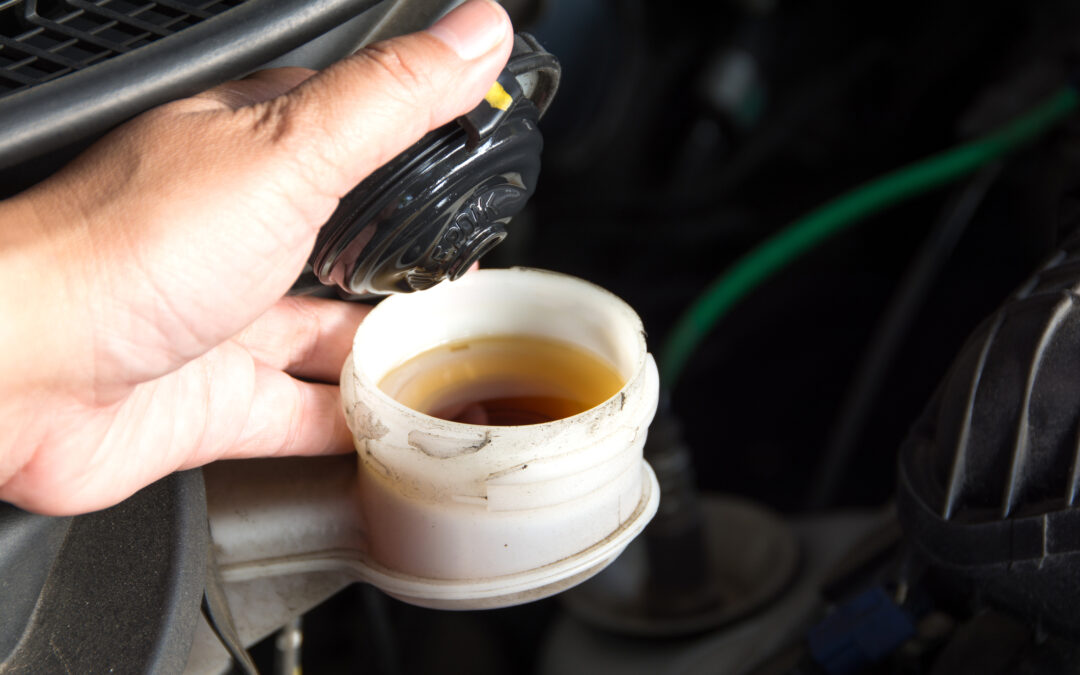
The color and condition of your transmission fluid are excellent indicators of its health. Clean transmission fluid is typically red or pinkish in color. As it ages and becomes contaminated, it darkens to a brown or even black hue. It might also have a burnt smell or contain visible particles. This indicates that the fluid has lost its lubricating properties and is no longer effectively protecting your transmission components.
Solution: Regularly inspect your transmission fluid using the dipstick (if your vehicle has one). If the fluid is dark, dirty, or smells burnt, it's time for a change.
6. Warning Lights
While less specific, the "Check Engine" light or a dedicated "Transmission" warning light can sometimes illuminate due to transmission-related issues. These lights often indicate that the vehicle's computer has detected an anomaly in the transmission's operation.
Solution: Have your vehicle scanned for diagnostic trouble codes (DTCs) by a qualified mechanic. The codes will provide valuable information about the specific problem and guide the necessary repairs. A transmission fluid change may be recommended as part of the solution.
Performing a Transmission Fluid Change
While a transmission fluid change can be performed at home, it's essential to have the necessary tools and knowledge. If you're not comfortable working on your car, it's best to leave it to a professional.
Tools You Might Need:
- Socket set and wrenches
- Drain pan
- Funnel
- New transmission fluid (check your owner's manual for the correct type)
- New transmission filter (if applicable)
- Torque wrench
- Jack and jack stands (for accessing the drain plug)
- Gloves and safety glasses
The Basic Process (Automatic Transmission):
- Warm up the engine slightly.
- Locate the transmission drain plug.
- Position the drain pan under the plug.
- Remove the drain plug and allow the old fluid to drain completely.
- Replace the drain plug with a new crush washer (if applicable) and torque to the specified value.
- Locate the transmission fill tube and remove the dipstick (if applicable).
- Using a funnel, add the correct amount of new transmission fluid.
- Start the engine and allow it to idle for a few minutes.
- Shift through all the gears slowly.
- Check the fluid level using the dipstick and add more fluid if needed.
Important Note: Some vehicles do not have a transmission dipstick. In these cases, a more complex filling procedure is required, often involving special tools. Consult your vehicle's service manual for detailed instructions.
Cost Considerations
The cost of a transmission fluid change can vary depending on the type of vehicle, the type of transmission fluid used, and whether you choose to do it yourself or have it done by a mechanic. A DIY fluid and filter change can cost between $50 and $150, depending on the fluid and filter cost. A professional transmission fluid change typically ranges from $150 to $350, while a transmission flush (which involves using specialized equipment to remove all of the old fluid) can cost even more, between $200 to $500. Remember that neglecting this maintenance can lead to far more expensive repairs down the road.
By being aware of these warning signs and taking proactive steps to maintain your transmission fluid, you can help ensure the longevity and reliability of your vehicle's transmission. Regular maintenance is key to avoiding costly repairs and keeping your car running smoothly for years to come.