
Tire Pressure Light Still On After Filling
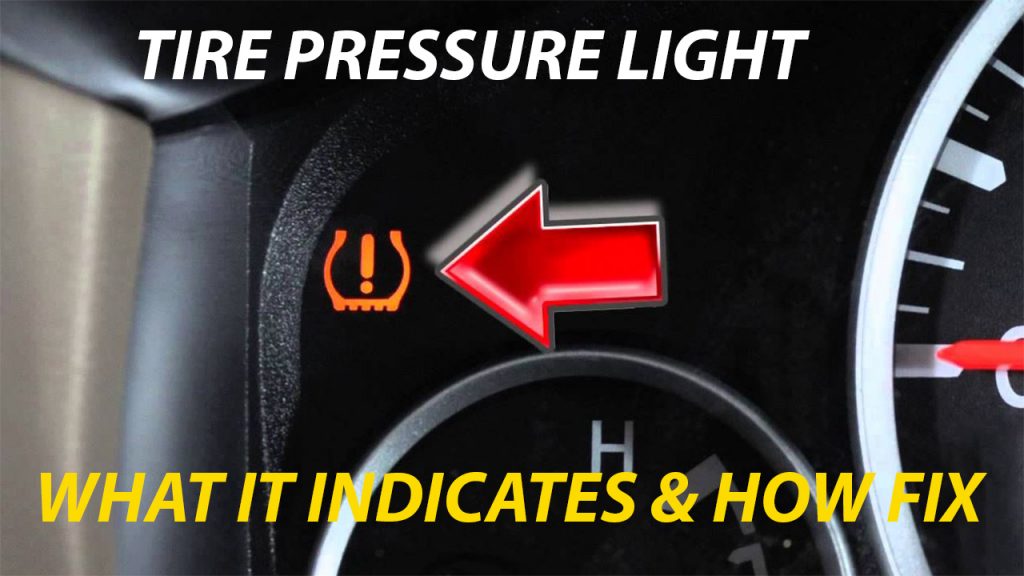
That little yellow icon on your dash – the Tire Pressure Monitoring System (TPMS) light – can be a real source of frustration. You've dutifully checked your tire pressures, filled them to the recommended PSI (Pounds per Square Inch) listed on your doorjamb sticker, and yet, that darn light remains stubbornly illuminated. What gives? The TPMS light not clearing after inflation is a common problem, and fortunately, most causes have straightforward solutions. Let's dive into the reasons behind this persistent problem and how to address them.
Understanding TPMS: More Than Just Pressure
First, a quick refresher on how TPMS works. Modern systems aren't simply measuring air pressure; they're complex electronic devices. There are two main types: Direct TPMS and Indirect TPMS. Direct TPMS uses sensors inside each wheel to directly measure pressure and temperature. These sensors transmit this data wirelessly to the car's computer. Indirect TPMS, on the other hand, relies on the ABS (Anti-lock Braking System) wheel speed sensors. It infers tire pressure by monitoring wheel speed. A deflated tire will have a slightly smaller rolling circumference, causing it to spin faster than the others. Indirect systems are less accurate and generally found on older or more basic vehicles. If your TPMS light is on, determining which type you have is the first step.
Common Causes and Solutions
Here’s a breakdown of why your TPMS light might persist even after inflating your tires:
- Pressure Imbalance: While you may have inflated your tires, did you inflate them to the correct pressure? Different tire sizes or vehicle models require different pressures. Double-check the sticker on your driver's side doorjamb (or the owner's manual) for the recommended PSI for your specific vehicle. Also, ensure all tires are inflated to the same pressure (within 1-2 PSI). Even a slight difference can trigger the system.
- TPMS Sensor Malfunction: Direct TPMS sensors have a finite lifespan. Their batteries typically last 5-10 years. After that, they'll need to be replaced. A faulty sensor won't transmit accurate data, keeping the light illuminated. Diagnosing a sensor issue often requires a scan tool capable of reading TPMS data. Many auto parts stores offer free TPMS scans.
- Temperature Fluctuations: Changes in ambient temperature can significantly affect tire pressure. A drop in temperature will cause the pressure to decrease, potentially triggering the TPMS light. Inflate your tires in the morning when they are cold for a more accurate reading.
- TPMS System Reset Needed: Some vehicles require a manual reset of the TPMS system after inflation. Consult your owner's manual for the specific reset procedure for your vehicle. This usually involves a sequence of button presses or a menu option in the infotainment system.
- Spare Tire Issues: If your vehicle has a full-size spare with a TPMS sensor, a low pressure in the spare can also trigger the light. Don't forget to check and inflate the spare as well.
- Indirect TPMS Calibration: Vehicles with indirect TPMS need to be "calibrated" or "learned" after inflation. This allows the system to establish a baseline wheel speed for properly inflated tires. The calibration process usually involves driving for a short distance at a specific speed. Check your owner's manual for the correct calibration procedure.
- Damaged TPMS Sensor: Road hazards, improper tire installation, or even corrosion can damage TPMS sensors. A cracked or broken sensor will likely need replacement.
Troubleshooting and Repair Tips
Before heading to a mechanic, try these troubleshooting steps:
- Verify Tire Pressures: Use a reliable tire pressure gauge to double-check the PSI in all tires, including the spare if equipped with TPMS.
- Perform a TPMS Reset: Consult your owner's manual and follow the reset procedure for your vehicle.
- Drive the Vehicle: Sometimes, the TPMS light will automatically extinguish after driving for a few miles, allowing the system to recalibrate.
If the light persists after these steps, it's time to seek professional help. A mechanic can use a scan tool to diagnose the specific problem and determine if a TPMS sensor needs to be replaced or if there's an issue with the TPMS control module. TPMS sensor replacement typically costs between $50 and $200 per sensor, depending on the vehicle and the type of sensor. While you might be tempted to ignore the light, remember that maintaining proper tire pressure is crucial for safety, fuel efficiency, and tire longevity. A properly functioning TPMS helps ensure optimal performance and prevents premature tire wear.
When to Consult a Professional
If you've tried the DIY troubleshooting steps and the TPMS light remains on, it's best to consult a qualified mechanic. They can diagnose the issue accurately, replace faulty sensors, and ensure the TPMS system is functioning correctly. Ignoring a persistent TPMS light can lead to driving on underinflated tires, which can be dangerous and costly in the long run. Furthermore, attempting to repair or replace TPMS components without proper training and tools can potentially damage the system or the wheels. A small investment in professional diagnosis and repair can save you from larger problems down the road.