
Towing Capacity Of 2011 Jeep Grand Cherokee
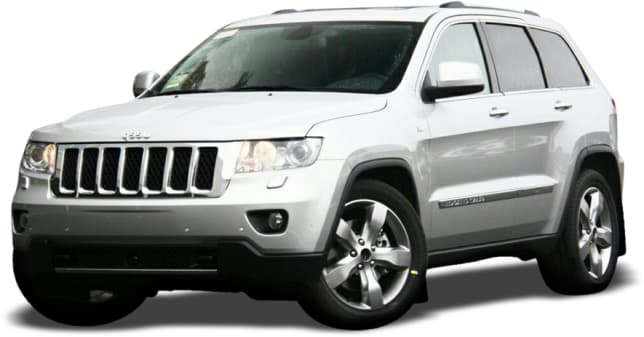
The 2011 Jeep Grand Cherokee marked a significant redesign, blending on-road refinement with Jeep's legendary off-road capability. A key element for many owners is its towing capacity, a figure that isn't simply pulled out of thin air. Understanding the factors that contribute to this capacity, and how it varies across different configurations, is crucial for safe and effective towing.
Understanding Towing Capacity: More Than Just a Number
Towing capacity, at its core, represents the maximum weight a vehicle is safely rated to tow. It's not just about the engine's power; it's a complex calculation that takes into account numerous aspects of the vehicle's design and performance. Exceeding the towing capacity is dangerous and can lead to:
- Mechanical failure: Overstressing the engine, transmission, brakes, and chassis.
- Loss of control: Difficulty steering, braking, and maintaining stability, particularly at higher speeds.
- Increased accident risk: A higher likelihood of accidents due to compromised vehicle handling.
- Legal repercussions: Fines and potential liability in case of an accident.
The 2011 Grand Cherokee's towing capacity varies depending on the engine, drivetrain, and optional towing package. Let's delve into the specifics of how these factors interact.
Key Factors Affecting Towing Capacity in the 2011 Grand Cherokee
Several key components and systems determine the maximum towing weight a 2011 Grand Cherokee can handle. These include:
Engine Options and Performance:
The 2011 Grand Cherokee offered a range of engine options, each with different horsepower and torque ratings, directly influencing towing capability:
- 3.6L Pentastar V6: This engine, the most common, delivered around 290 horsepower and 260 lb-ft of torque. Its towing capacity, properly equipped, generally ranged from 3,500 to 5,000 lbs.
- 5.7L Hemi V8: The Hemi V8 provided significantly more power, typically around 360 horsepower and 390 lb-ft of torque. This translated to a higher towing capacity, reaching up to 7,400 lbs when properly equipped.
Torque is particularly crucial for towing. It's the rotational force that gets the vehicle and the trailer moving and helps maintain speed on inclines. A higher torque output allows the Grand Cherokee to handle heavier loads more efficiently.
Drivetrain (2WD vs. 4WD):
The choice between two-wheel drive (2WD) and four-wheel drive (4WD) also affects towing capacity, though the impact is generally less significant than the engine choice. 4WD systems add weight and complexity, but also improve traction, especially when launching on slippery surfaces or traversing uneven terrain.
In most cases, the 4WD version of the 2011 Grand Cherokee had a towing capacity that was either the same or slightly lower than the 2WD version with the same engine, primarily due to the added weight of the 4WD system. However, the increased traction offered by 4WD can be invaluable for certain towing scenarios, such as boat ramps or off-road locations.
Towing Package: The Essential Upgrade
The optional towing package is critical for achieving the maximum towing capacity. This package typically included several upgrades specifically designed to enhance towing performance and safety, such as:
- Heavy-duty engine cooling: A larger radiator and/or auxiliary transmission cooler to prevent overheating under heavy loads. Overheating can cause significant engine and transmission damage.
- Trailer sway control: A system that uses the vehicle's brakes to automatically mitigate trailer sway, improving stability and control.
- Weight distribution hitch: A specialized hitch designed to distribute the trailer's weight more evenly across the vehicle's axles, improving handling and reducing strain on the rear suspension. Note that a weight distribution hitch is often *required* for towing heavier loads.
- Wiring harness: A connector to provide power to the trailer's lights and brakes.
- Upgraded brakes: Some packages may include larger or more robust brakes for improved stopping power.
Without the towing package, the towing capacity of the 2011 Grand Cherokee is significantly reduced. Always check the vehicle's specifications and owner's manual to confirm the exact requirements for safe towing.
Axle Ratio: A Subtle but Important Factor
The axle ratio, which represents the number of times the driveshaft rotates for each rotation of the wheels, also plays a role in towing capacity. A lower axle ratio (e.g., 3.07) is generally better for fuel economy, while a higher axle ratio (e.g., 3.73) provides better acceleration and towing performance. The 2011 Grand Cherokee may have been available with different axle ratios depending on the engine and trim level. Refer to your vehicle's build sheet to determine its specific axle ratio.
Finding the Right Towing Capacity for Your Grand Cherokee
Determining the specific towing capacity of your 2011 Jeep Grand Cherokee requires careful attention to detail. The most reliable sources of information are:
- The owner's manual: This document contains the official towing capacity ratings for your specific vehicle, based on its engine, drivetrain, and optional equipment.
- The vehicle's door jamb sticker: This sticker may contain information about the Gross Vehicle Weight Rating (GVWR) and Gross Axle Weight Rating (GAWR), which are related to towing capacity.
- Jeep's official website or brochures: These resources may provide detailed specifications and towing charts for the 2011 Grand Cherokee.
Never rely on assumptions or estimates. Always verify the towing capacity using official sources.
Beyond the Numbers: Important Towing Considerations
Even if your Grand Cherokee is rated to tow a certain weight, it's crucial to consider other factors to ensure safe and responsible towing:
- Tongue weight: The tongue weight is the amount of the trailer's weight that presses down on the hitch ball. It should typically be 10-15% of the trailer's total weight. Insufficient or excessive tongue weight can cause instability and affect handling.
- Trailer brakes: Trailers exceeding a certain weight (often 3,000 lbs) are typically required to have their own brakes. Ensure that the trailer brakes are properly functioning and connected to the vehicle's brake controller.
- Load distribution: Distribute the weight inside the trailer evenly to prevent swaying and instability. Place heavier items closer to the trailer's axle.
- Driving habits: Adjust your driving habits when towing. Drive slower, allow for longer stopping distances, and be more cautious when changing lanes or making turns.
- Regular maintenance: Keep your Grand Cherokee in good condition with regular maintenance, including checking the brakes, tires, fluids, and suspension.
Conclusion
The 2011 Jeep Grand Cherokee offers a respectable towing capacity when properly equipped. Understanding the interplay of engine choice, drivetrain, towing package, and other factors is essential for safe and effective towing. Always consult the owner's manual and other official sources to determine the specific towing capacity of your vehicle and adhere to all recommended guidelines and safety precautions. Responsible towing ensures not only the safety of yourself and your passengers but also the longevity of your vehicle.