
Towing Capacity Of 2014 Dodge Grand Caravan
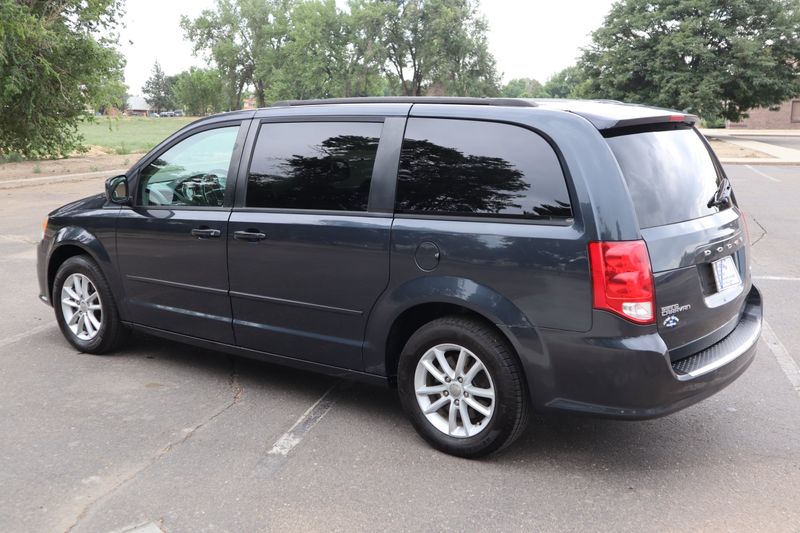
The 2014 Dodge Grand Caravan, a minivan known for its practicality and versatility, is a popular choice for families and individuals needing ample cargo and passenger space. A common question among potential buyers is, "What is the towing capacity of the 2014 Dodge Grand Caravan?" This article provides a comprehensive overview of the 2014 Grand Caravan's towing capabilities, factors affecting it, and important considerations for safe towing.
2014 Dodge Grand Caravan Towing Capacity: The Official Number
The official towing capacity of the 2014 Dodge Grand Caravan is 3,600 pounds (1,633 kg) when properly equipped. This figure applies to all trim levels of the 2014 model year, including the American Value Package (AVP), SE, SXT, and R/T. It's important to note that this is the maximum towing capacity, and several factors can influence whether your Grand Caravan can safely tow that weight.
Always refer to your 2014 Dodge Grand Caravan's owner's manual for the most accurate and up-to-date information on towing. The manual will provide specific instructions and safety guidelines relevant to your vehicle.
Factors Affecting Towing Capacity
While the 3,600-pound towing capacity is the headline number, several factors can significantly impact your Grand Caravan's ability to safely and effectively tow. Overlooking these factors can lead to dangerous situations and potential damage to your vehicle.
1. Gross Vehicle Weight Rating (GVWR)
The Gross Vehicle Weight Rating (GVWR) is the maximum permissible weight of your vehicle, including the vehicle itself, passengers, cargo, and the tongue weight of the trailer. Exceeding the GVWR is extremely dangerous and can negatively affect handling, braking, and overall vehicle performance. You can find the GVWR listed on a sticker located on the driver's side doorjamb.
To determine if you're within the GVWR, you need to weigh your Grand Caravan with all passengers, cargo, and a full tank of gas. Then, add the tongue weight of the trailer to that figure. If the total exceeds the GVWR, you'll need to reduce the load to stay within safe limits.
2. Tongue Weight
Tongue weight refers to the amount of weight the trailer exerts on the hitch. Ideally, tongue weight should be between 10% and 15% of the trailer's total weight. Insufficient or excessive tongue weight can cause trailer sway, making it difficult to control the vehicle, especially at higher speeds.
Using a tongue weight scale is the most accurate way to measure tongue weight. You can also estimate it using a bathroom scale and some ingenuity, but a dedicated scale provides the most reliable results.
3. Towing Package
While all 2014 Dodge Grand Caravans share the same maximum towing capacity, having the factory-installed towing package is highly recommended. This package typically includes features such as:
- A heavy-duty radiator for improved cooling
- Upgraded engine oil cooler
- Wiring harness for trailer lights
These components help to ensure that your Grand Caravan can handle the added stress of towing, especially in hot weather or hilly terrain. If your Grand Caravan doesn't have the factory towing package, you may be able to install aftermarket components, but it's crucial to choose high-quality parts and have them professionally installed.
4. Condition of the Vehicle
The overall condition of your 2014 Dodge Grand Caravan is crucial for safe towing. Ensure that your vehicle is properly maintained, including:
- Regular oil changes
- Properly inflated tires
- Functional brakes
- A healthy transmission
Before towing, inspect your tires for wear and tear, and check the tire pressure to ensure it's at the recommended level. Brakes are essential for safe towing, so make sure they are in good working order. If you notice any signs of transmission problems, such as slipping or rough shifting, have it inspected by a qualified mechanic before attempting to tow.
5. Driving Conditions
Driving conditions can also affect your 2014 Dodge Grand Caravan's towing performance. Hilly terrain, strong winds, and extreme temperatures can all put added strain on your vehicle. When towing in challenging conditions, reduce your speed and allow for longer braking distances.
Avoid towing in severe weather, such as heavy rain or snow. Reduced visibility and slippery roads can make towing extremely dangerous.
What Can You Tow with a 2014 Dodge Grand Caravan?
With a towing capacity of 3,600 pounds, the 2014 Dodge Grand Caravan can tow a variety of trailers and equipment, including:
- Small to medium-sized travel trailers
- Pop-up campers
- Utility trailers
- Small boats
- Motorcycles
- ATVs
Always verify the weight of the trailer and its contents before towing. It's better to err on the side of caution and choose a lighter trailer than to exceed the towing capacity.
Safe Towing Practices
Even if your 2014 Dodge Grand Caravan is properly equipped and within its towing capacity, following safe towing practices is essential. Here are some tips to ensure a safe and enjoyable towing experience:
- Drive at a safe speed: Lower your speed when towing, especially on highways.
- Increase following distance: Allow for longer braking distances when towing.
- Avoid sudden maneuvers: Smooth and gradual turns are crucial.
- Check your mirrors frequently: Be aware of your surroundings.
- Take breaks: Long drives can be tiring, especially when towing.
- Inspect your trailer and hitch regularly: Ensure that everything is secure.
Consider taking a towing safety course. These courses provide valuable information and hands-on experience to help you tow safely and confidently.
Conclusion
The 2014 Dodge Grand Caravan offers a respectable towing capacity of 3,600 pounds when properly equipped. By understanding the factors that affect towing capacity, maintaining your vehicle, and following safe towing practices, you can confidently and safely tow a variety of trailers and equipment. Always consult your owner's manual for specific instructions and guidelines, and prioritize safety above all else.