
Toyota Corolla 2019 Transmission Oil Change
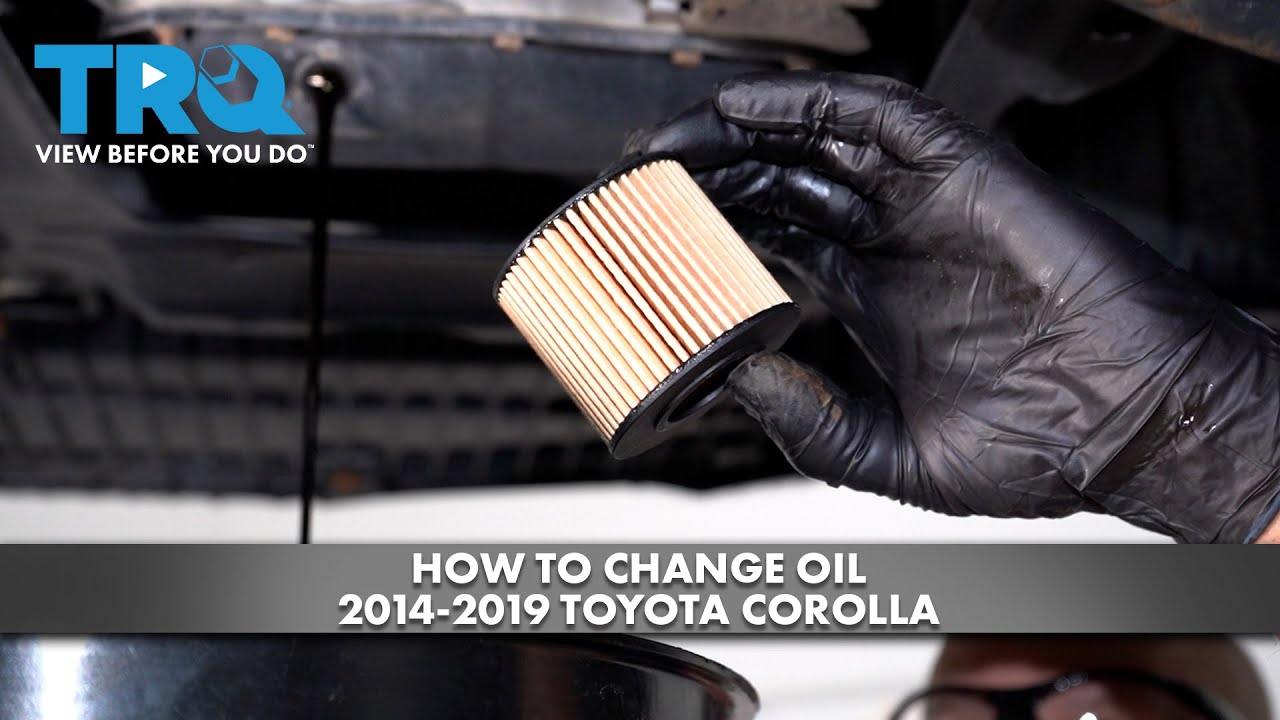
The 2019 Toyota Corolla, a ubiquitous sight on roads worldwide, is known for its reliability. A significant contributor to this reliability is the health of its Continuously Variable Transmission (CVT), denoted as the K313. Regular maintenance, including transmission fluid changes, is crucial for extending the life and performance of this vital component. While many owners opt for professional servicing, understanding the process and performing it yourself is feasible with the right tools, knowledge, and meticulous attention to detail. This guide will delve into the specifics of a 2019 Corolla CVT fluid change, providing a technical understanding of the process rather than just a step-by-step manual.
Understanding the K313 CVT
Before diving into the procedure, it's essential to understand the nuances of the K313 CVT. Unlike traditional automatic transmissions with gears, the CVT uses a belt and pulley system to provide a theoretically infinite number of gear ratios. This allows the engine to operate at its most efficient RPM range, improving fuel economy and responsiveness. However, this design also places unique demands on the transmission fluid.
CVT fluid isn't just a lubricant; it's a critical component of the transmission's operation. It serves multiple functions:
- Lubrication: Reduces friction between moving parts, particularly the belt and pulleys.
- Cooling: Dissipates heat generated by friction and hydraulic action.
- Hydraulic Fluid: Transmits power within the transmission's control system.
- Friction Modifier: Provides the correct friction coefficient between the belt and pulleys, preventing slippage.
- Cleaning: Suspends and carries away contaminants, preventing wear and damage.
Using the incorrect type of fluid can lead to premature wear, slippage, reduced fuel economy, and ultimately, transmission failure. Therefore, using Toyota CVT Fluid FE (08886-02505) is absolutely critical. Using a generic or "universal" CVT fluid is strongly discouraged.
Preparing for the Fluid Change
A successful CVT fluid change requires meticulous preparation. Gather the necessary tools and materials:
- Toyota CVT Fluid FE (08886-02505): Approximately 4 quarts are needed for a drain and fill. Confirm the exact quantity in your vehicle's owner's manual.
- 14mm socket or wrench: For the drain plug.
- 24mm socket or wrench: For the fill plug (often located on the side of the transmission).
- Torque wrench: Essential for properly tightening the drain and fill plugs to the specified torque.
- Funnel with a long, flexible hose: To facilitate filling the transmission.
- Drain pan: To catch the old fluid.
- Measuring container: To accurately measure the amount of fluid drained.
- Jack and jack stands: To safely raise the vehicle. Never work under a vehicle supported only by a jack.
- Wheel chocks: To prevent the vehicle from rolling.
- Gloves: To protect your hands from the fluid.
- Rags or paper towels: For cleaning up spills.
- Scan tool (Optional but highly recommended): To monitor transmission temperature for proper fluid level check.
- Owner's manual: For fluid capacity and torque specifications.
Before starting, ensure the vehicle is parked on a level surface and the parking brake is engaged. Allow the engine to cool down slightly, but not completely cold. A warm transmission will allow the fluid to flow more easily. Refer to your owner's manual for specific instructions regarding transmission temperature for the fluid level check, this is paramount for CVT transmissions.
The Drain and Fill Procedure
Step 1: Accessing the Transmission
Safely lift the vehicle using a jack and secure it with jack stands. Place wheel chocks behind the rear wheels for added safety. Locate the transmission drain plug, typically on the bottom of the transmission pan. It will resemble an oil drain plug. Also, locate the fill plug, generally on the side of the transmission case. Make sure you can loosen the fill plug *before* draining the fluid. If you can't loosen the fill plug, you won't be able to refill the transmission!
Step 2: Draining the Old Fluid
Position the drain pan beneath the drain plug. Using the 14mm socket or wrench, carefully loosen the drain plug. Be prepared for a steady stream of fluid. Allow the transmission to drain completely. This may take 20-30 minutes. Inspect the drain plug and replace the sealing washer if necessary.
Step 3: Measuring the Drained Fluid
Once the fluid has stopped draining, carefully remove the drain pan and measure the amount of fluid that was drained. This measurement is crucial for ensuring that you refill the transmission with the correct amount of new fluid. Note this measurement carefully. You can use a measuring container or mark the level on the drain pan before emptying it.
Step 4: Reinstalling the Drain Plug
Clean the drain plug and install a new sealing washer (if necessary). Carefully tighten the drain plug to the torque specification listed in your owner's manual using a torque wrench. Over-tightening can damage the transmission pan, while under-tightening can lead to leaks. A typical torque specification is around 30-35 Nm (22-26 ft-lbs), but always refer to your vehicle's service manual for the exact value.
Step 5: Refilling the Transmission
Locate the fill plug. Remove the fill plug using the 24mm socket or wrench. Insert the funnel with the long, flexible hose into the fill hole. Slowly pour in the new Toyota CVT Fluid FE, using the amount you measured in Step 3 as a starting point. It's better to slightly underfill than overfill at this stage. The final fluid level adjustment will be made later based on transmission temperature.
Step 6: Checking the Fluid Level (Critical)
This is the most critical step in the process, especially for a CVT. The fluid level must be precisely correct for proper transmission operation. The fluid level check procedure varies slightly depending on the year and specific model, but generally involves the following steps:
- Start the engine and allow it to warm up.
- Using a scan tool, monitor the transmission fluid temperature. The fluid level must be checked within a specific temperature range, typically between 35-45 degrees Celsius (95-113 degrees Fahrenheit). Consult your vehicle's service manual for the exact temperature range.
- With the engine running and the transmission fluid at the correct temperature, remove the fill plug.
- If fluid trickles out of the fill hole, the fluid level is correct.
- If no fluid comes out, add fluid slowly until it begins to trickle out.
- If too much fluid comes out, allow the excess to drain until it trickles out.
Never attempt to check the fluid level when the transmission is cold or excessively hot. Doing so will result in an inaccurate reading and could lead to overfilling or underfilling, both of which can damage the transmission.
Step 7: Final Steps
Once the fluid level is correct, reinstall the fill plug and tighten it to the torque specification listed in your owner's manual. A typical torque specification is around 40-45 Nm (30-33 ft-lbs), but always refer to your vehicle's service manual for the exact value. Lower the vehicle from the jack stands. Start the engine and shift through all the gears (P, R, N, D) while holding the brake pedal. This will circulate the new fluid throughout the transmission. Turn off the engine and recheck the fluid level to ensure it is still correct. Road test the vehicle to ensure smooth shifting and proper operation. Check for any leaks around the drain and fill plugs.
Post-Maintenance Considerations
After completing the fluid change, monitor the transmission for any unusual noises or shifting problems. A second fluid change after a short driving interval (e.g., 1,000 miles) can further improve the cleanliness of the transmission. Properly dispose of the used transmission fluid at a recycling center or auto parts store. Keep a record of the date and mileage of the fluid change for future maintenance.
Disclaimer: This guide is for informational purposes only and should not be considered a substitute for professional advice. If you are not comfortable performing this procedure, it is recommended to seek assistance from a qualified mechanic. Incorrectly performing a transmission fluid change can damage the transmission and void your warranty. Always refer to your vehicle's owner's manual and service manual for specific instructions and torque specifications.