
What All The Lights On Your Dashboard Mean
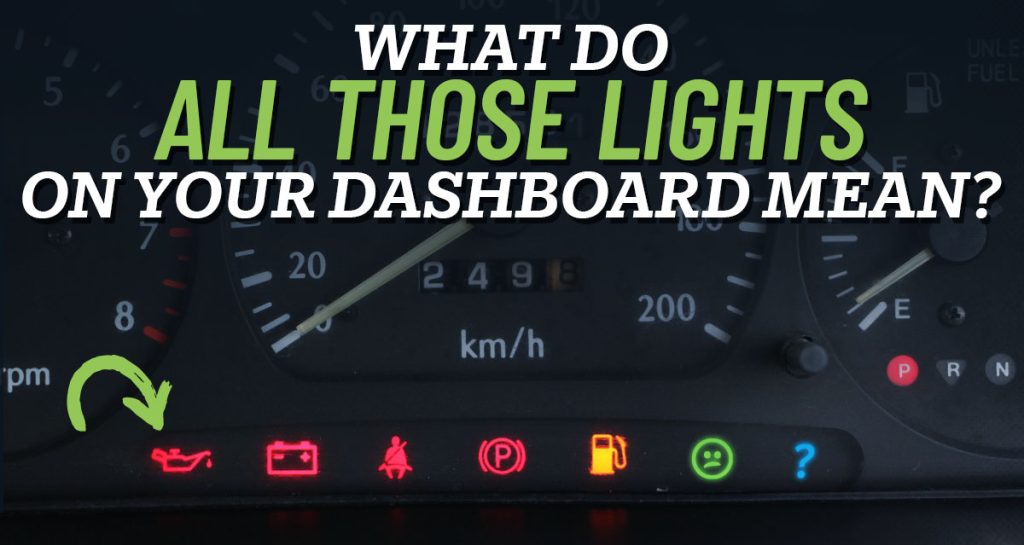
That cluster of symbols staring back at you from your dashboard can feel like a secret language, especially when a new light pops up unexpectedly. But understanding what those lights mean is crucial for the health of your vehicle and, more importantly, your safety. Think of them as your car's way of communicating – sometimes it's just a friendly reminder, other times it's a serious warning. Let's decode some of the most common dashboard lights and what you should do when they illuminate.
Understanding the Color Code
Before we dive into specific lights, it's important to understand the color coding system used by most manufacturers:
- Green or Blue: These lights usually indicate that a system is active and operating normally. For example, the headlights or turn signals.
- Yellow or Amber: These lights usually indicate a problem that needs attention, but isn't necessarily an emergency. It’s a warning that something is amiss and should be checked out soon.
- Red: These lights indicate a serious problem that requires immediate attention. Continuing to drive with a red warning light illuminated could cause significant damage to your vehicle or compromise your safety.
Common Dashboard Lights and What They Mean
1. The Check Engine Light (CEL)
This is perhaps the most dreaded light of all. The Check Engine Light (often abbreviated as CEL) can indicate a wide range of issues, from a loose gas cap to a major engine malfunction.
Problem: The CEL can be triggered by anything from a faulty oxygen sensor to a catalytic converter issue, or even something as simple as a loose gas cap.
Solution: The first thing to do is check your gas cap to ensure it's tightened properly. If the light persists, you'll need to have the vehicle's computer scanned for trouble codes. You can do this yourself with an OBD-II scanner (available for around $20-$100), or take it to a mechanic. The trouble code will help pinpoint the source of the problem.
Cost: The cost of repair varies widely depending on the issue. Replacing an oxygen sensor might cost between $100-$300, while a catalytic converter replacement could run upwards of $1000.
2. The Oil Pressure Warning Light
This light, which usually looks like an oil can, indicates that your engine isn't receiving enough oil pressure. This is a serious issue that can cause severe engine damage if ignored.
Problem: Low oil level, a faulty oil pump, or a blocked oil filter can all trigger this light.
Solution: Immediately pull over to a safe location and turn off the engine. Check the oil level using the dipstick. If the oil level is low, add oil until it reaches the proper level. If the light remains on after adding oil, or if the oil level is normal, have the vehicle towed to a mechanic for further diagnosis.
Cost: Repair costs can range from a few dollars for a quart of oil to several hundred dollars for an oil pump replacement, or even thousands for engine repairs if the problem is left unaddressed.
3. The Battery Warning Light
This light, which looks like a battery, indicates a problem with the charging system. It doesn't necessarily mean the battery is bad, but rather that it's not being properly charged.
Problem: A faulty alternator, a loose or corroded battery cable, or a bad voltage regulator can cause this light to illuminate.
Solution: Check the battery terminals for corrosion and clean them if necessary. Also, inspect the battery cables for looseness and tighten them if needed. If the light persists, have the charging system tested by a mechanic. Do not ignore this light, as your car can stall and leave you stranded.
Cost: A new alternator can cost between $200-$500, plus labor. Cleaning battery terminals is a relatively inexpensive DIY task.
4. The Brake Warning Light
This light can indicate a few different issues related to the braking system. It often appears as the word "BRAKE" or an exclamation point inside a circle.
Problem: Low brake fluid, a problem with the anti-lock braking system (ABS), or the parking brake being engaged can all trigger this light.
Solution: First, ensure the parking brake is fully released. If the light remains on, check the brake fluid level in the master cylinder. If the fluid is low, add brake fluid to the proper level. However, low brake fluid almost always indicates a leak in the system. A low fluid level will require diagnosis and repair. If the fluid level is correct, there may be a problem with the ABS system, which requires professional diagnosis.
Cost: Adding brake fluid is inexpensive, but repairing a brake leak can cost anywhere from $100 to several hundred dollars depending on the location and severity of the leak. ABS repairs can also vary widely in cost.
5. The Tire Pressure Monitoring System (TPMS) Light
This light looks like a horseshoe with an exclamation point inside. It indicates that one or more of your tires is significantly underinflated.
Problem: Low tire pressure due to a leak, temperature changes, or simply neglecting to inflate the tires.
Solution: Check the tire pressure of all tires using a tire pressure gauge. Inflate the tires to the recommended pressure listed on the sticker inside the driver's side doorjamb. If the light remains on after inflating the tires, there may be a problem with the TPMS sensor in one of the tires.
Cost: Inflating tires is free at most gas stations (although some may charge a small fee). A new TPMS sensor can cost between $50-$150 per tire, plus labor.
6. The Temperature Warning Light
This light, which usually looks like a thermometer in water, indicates that your engine is overheating.
Problem: Low coolant level, a faulty thermostat, a leaking radiator, or a failing water pump can all cause overheating.
Solution: Immediately pull over to a safe location and turn off the engine. Do not attempt to open the radiator cap while the engine is hot, as this can cause serious burns. Allow the engine to cool down completely before checking the coolant level. If the coolant level is low, add coolant to the proper level. If the light remains on after adding coolant, or if the engine continues to overheat, have the vehicle towed to a mechanic for further diagnosis.
Cost: Repair costs can range from a few dollars for coolant to several hundred dollars for a new thermostat or water pump, or even thousands for engine repairs if the overheating has caused significant damage.
Practical Tips
- Invest in an OBD-II Scanner: This tool can help you diagnose many common issues and save you money on diagnostic fees.
- Check Your Owner's Manual: Your owner's manual contains valuable information about your vehicle's warning lights and what they mean.
- Don't Ignore Warning Lights: Addressing problems early can prevent them from becoming more serious and expensive.
- Regular Maintenance is Key: Following the recommended maintenance schedule in your owner's manual can help prevent many warning lights from illuminating in the first place.
Understanding your dashboard lights is a vital part of responsible car ownership. By knowing what these symbols mean, you can take proactive steps to maintain your vehicle, ensure your safety, and avoid costly repairs down the road. When in doubt, always consult a qualified mechanic for diagnosis and repair.