
What Are The Primary Functions Of Motor Oil
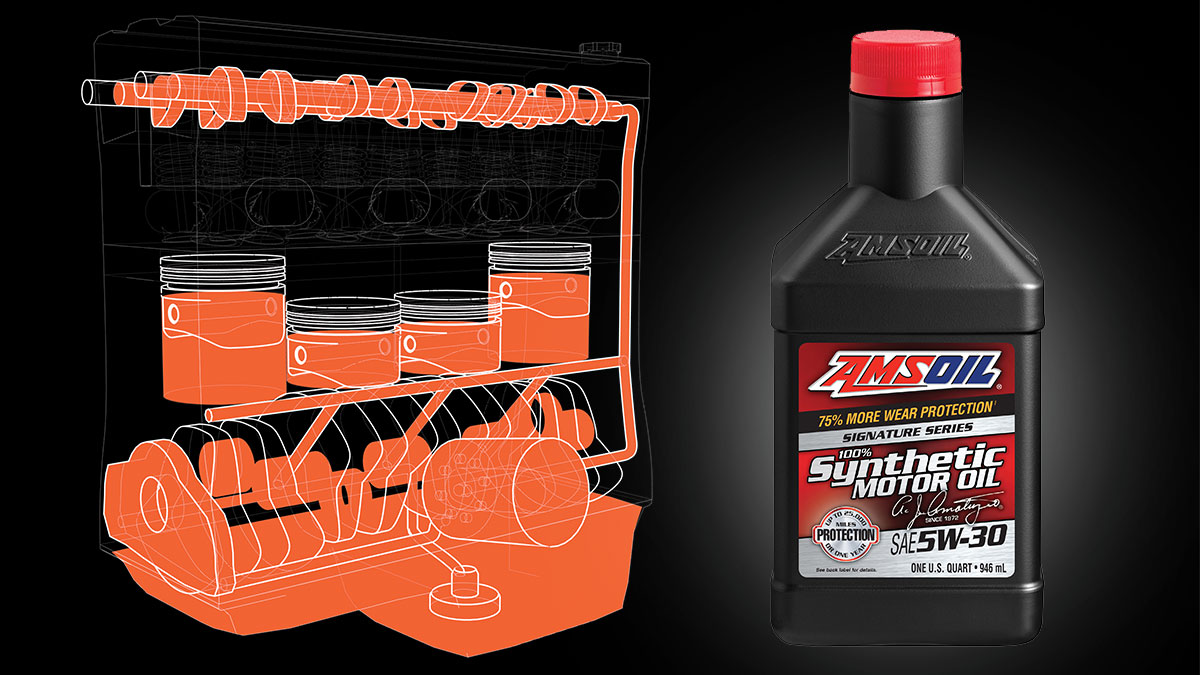
Motor oil, often simply called "oil," is the lifeblood of your engine. Its primary role extends far beyond just lubrication. Understanding its crucial functions is paramount for both car owners and mechanics, leading to better maintenance, quicker troubleshooting, and ultimately, a longer lifespan for your vehicle. This article dives deep into these functions, highlighting common problems, their solutions, and practical advice for keeping your car running smoothly.
Lubrication: Reducing Friction and Wear
The most well-known function of motor oil is lubrication. The internal components of your engine – pistons, crankshaft, camshaft, connecting rods – are in constant motion and generate immense friction. Without oil, these parts would grind against each other, causing rapid wear, overheating, and eventually, catastrophic failure. Oil creates a thin film between these surfaces, minimizing direct contact and reducing friction. Think of it like this: Without oil, it’s like two pieces of sandpaper rubbing together. With oil, it's like two pieces of glass sliding effortlessly.
Problem: A common symptom of inadequate lubrication is engine knocking or ticking, especially upon startup. This can indicate low oil levels, the wrong oil viscosity, or a failing oil pump. Cause: Low oil level is often due to leaks or consumption. Incorrect oil viscosity (e.g., using a thinner oil than recommended) can lead to insufficient film thickness, especially in older engines. A failing oil pump can't circulate oil effectively throughout the engine. Solution: Check your oil level regularly (ideally weekly) and top it off as needed. Refer to your owner's manual for the correct oil viscosity. If you suspect a leak, inspect the oil pan, valve cover gaskets, and rear main seal. If the knocking persists even after addressing these issues, a mechanic should inspect the oil pump. For example, on older Honda Civics, a common issue is oil consumption due to worn piston rings, leading to low oil levels and eventual engine damage if not addressed promptly.
Cooling: Dissipating Heat
While the cooling system (radiator, coolant, water pump) is primarily responsible for regulating engine temperature, motor oil plays a significant role in cooling. As oil circulates, it absorbs heat from the engine components and carries it away. This is particularly important in areas that the coolant doesn't directly reach, such as the pistons and cylinder walls. Problem: Overheating, even with a properly functioning cooling system, can sometimes be attributed to degraded or insufficient motor oil. You might also notice a burning smell emanating from the engine. Cause: Old, degraded oil loses its ability to effectively absorb and dissipate heat. Oil sludge buildup can also restrict oil flow, hindering its cooling capabilities. Solution: Regular oil changes are crucial. Use the correct oil type and follow the recommended service intervals. If you suspect sludge buildup, consider using an engine flush before your next oil change. Some Ford F-150 owners, especially those who tow frequently, report oil overheating issues due to the increased engine load. Switching to a synthetic oil with a higher temperature rating can help mitigate this problem.
Cleaning: Removing Contaminants
Engines produce various contaminants during operation, including combustion byproducts, metal particles from wear, and dirt. Motor oil acts as a cleaning agent, suspending these contaminants and carrying them to the oil filter for removal. Problem: Sludge buildup, rough idling, reduced fuel economy, and decreased engine performance can all indicate that the oil is not effectively cleaning the engine. Cause: Infrequent oil changes allow contaminants to accumulate, forming sludge that clogs oil passages and reduces oil flow. Using low-quality oil with poor detergent properties can also contribute to sludge buildup. Solution: Adhere to the recommended oil change intervals. Consider using a high-quality oil with good detergent additives. If you've neglected oil changes in the past, shorter intervals for the next few changes can help clean out the engine. For example, many BMW engines are prone to oil sludge if long oil change intervals are used. Using a shorter interval and high-quality synthetic oil can help prevent this issue.
Sealing: Maintaining Compression
Motor oil helps seal the gaps between the piston rings and cylinder walls, ensuring proper compression within the combustion chamber. This is essential for efficient combustion and optimal engine power. Problem: Reduced fuel economy, loss of power, and excessive oil consumption are common symptoms of poor sealing. You might also notice blue smoke coming from the exhaust, indicating that oil is being burned in the combustion chamber. Cause: Worn piston rings, cylinder wall damage, or using the wrong oil viscosity can all lead to poor sealing. Solution: A compression test can help diagnose sealing problems. If the rings are worn, an engine rebuild may be necessary. Switching to a slightly higher viscosity oil might temporarily improve sealing in older engines, but it's not a long-term solution. For instance, older Toyota Camrys sometimes exhibit oil consumption due to worn valve stem seals, leading to poor sealing and blue exhaust smoke. Replacing the valve stem seals can resolve this issue.
Corrosion Prevention: Protecting Engine Components
Motor oil contains additives that help prevent corrosion of engine components. These additives neutralize acids formed during combustion and create a protective barrier against rust and oxidation. Problem: Internal engine corrosion is difficult to detect without disassembly, but it can lead to premature wear and failure of engine components. Cause: Infrequent oil changes allow acids to accumulate and attack engine surfaces. Moisture contamination from condensation can also promote corrosion. Solution: Regular oil changes are crucial for corrosion prevention. Consider using an oil with corrosion inhibitors, especially if you live in a humid climate or frequently make short trips where the engine doesn't fully warm up.
Keeping Your Car in Top Condition
To ensure your engine operates at its peak performance and longevity, follow these recommendations:
- Adhere to the manufacturer's recommended oil change intervals. This is the single most important factor in maintaining your engine.
- Use the correct oil viscosity. Refer to your owner's manual. Using the wrong viscosity can lead to lubrication problems.
- Check your oil level regularly. Top it off as needed to prevent oil starvation.
- Use a high-quality oil filter. The filter removes contaminants from the oil, keeping it clean and effective.
- Address any oil leaks promptly. Leaks can lead to low oil levels and engine damage.
- Consider using synthetic oil. Synthetic oils offer superior performance and protection compared to conventional oils, especially in extreme temperatures or under heavy loads.
- Listen to your engine. Unusual noises, such as knocking or ticking, can indicate a problem with the lubrication system.
By understanding the vital functions of motor oil and following these maintenance tips, you can significantly extend the life of your engine and keep your car running smoothly for years to come.