
What Are The Signs Of A Cracked Head Gasket
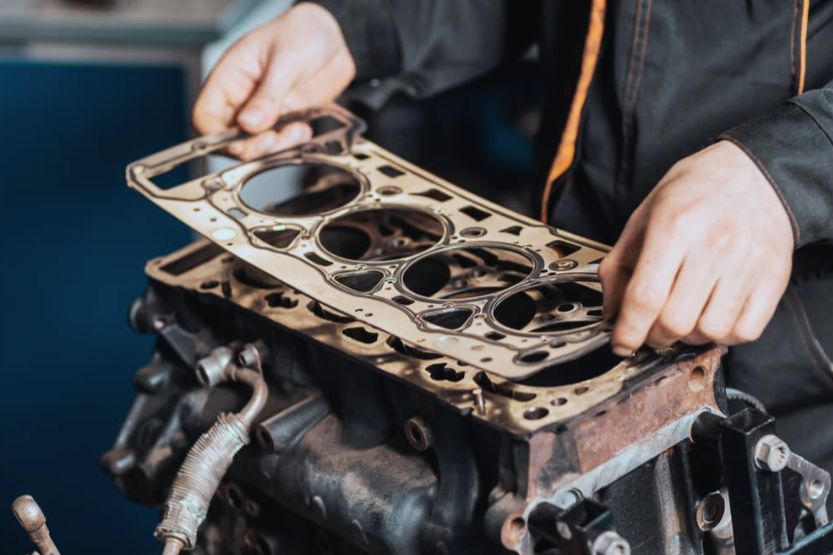
The head gasket, a seemingly unassuming component sandwiched between the engine block and cylinder head, plays a critical role in your vehicle's overall health. It seals the combustion chamber, preventing coolant and oil from mixing, and maintaining optimal compression. A cracked head gasket, however, can lead to a cascade of problems, ranging from reduced performance to catastrophic engine failure. Recognizing the signs early is crucial for preventing costly repairs. This article delves into the common indicators of a cracked head gasket, offering insights for both car enthusiasts and seasoned mechanics.
Common Symptoms of a Cracked Head Gasket
Identifying a cracked head gasket often involves observing a combination of symptoms rather than relying on a single indicator. Here's a detailed breakdown:
1. Overheating Engine
One of the most frequent signs is an overheating engine. A cracked head gasket can allow combustion gases to leak into the coolant system, creating air pockets and reducing the coolant's ability to effectively dissipate heat. This can lead to the temperature gauge climbing rapidly, especially under load (e.g., going uphill or towing). In severe cases, the engine may overheat even during normal driving conditions.
2. Coolant Loss and Contamination
A cracked head gasket can create pathways for coolant to leak externally or internally. External leaks may manifest as visible coolant puddles under the car, often near the engine block or cylinder head. Internal leaks, however, are more insidious. Coolant can leak into the cylinders, resulting in white smoke emanating from the exhaust pipe, particularly noticeable on start-up. Furthermore, coolant can mix with the engine oil, creating a milky, frothy appearance on the dipstick and under the oil filler cap. This contaminated oil loses its lubricating properties, accelerating engine wear.
3. Oil Contamination and Loss
Conversely, a cracked head gasket can allow engine oil to leak into the coolant system. This results in an oily film or residue in the coolant reservoir or radiator. This contamination reduces the coolant's efficiency and can damage cooling system components, such as the radiator and hoses. Furthermore, if oil is leaking into the combustion chamber, you might observe blueish smoke from the exhaust, indicating that oil is being burned.
4. White Smoke from Exhaust
As mentioned earlier, white smoke billowing from the exhaust is a strong indicator of coolant entering the combustion chamber. This happens when the crack in the head gasket allows coolant to leak into one or more cylinders. The coolant is then vaporized during combustion, creating the characteristic white smoke. This symptom is often more pronounced on cold starts.
5. Bubbling in the Radiator or Coolant Reservoir
Combustion gases leaking into the coolant system can cause bubbling in the radiator or coolant reservoir. With the engine running and the radiator cap removed (exercise caution and ensure the engine is cool enough to safely remove the cap), you may observe a steady stream of bubbles rising to the surface. This indicates that combustion gases are being forced into the cooling system due to the breach in the head gasket.
6. Reduced Engine Performance
A cracked head gasket can compromise cylinder compression, leading to reduced engine power, poor acceleration, and rough idling. The engine may feel sluggish and unresponsive. In some cases, the engine may even misfire, triggering the check engine light. A compression test can help diagnose this issue.
7. Check Engine Light (CEL)
While not always a direct indicator, a check engine light can illuminate due to various issues related to a cracked head gasket, such as misfires or abnormal readings from the oxygen sensors. Scanning the engine's computer (ECU) for diagnostic trouble codes (DTCs) can provide valuable clues.
Diagnosing a Cracked Head Gasket
Accurately diagnosing a cracked head gasket requires a combination of visual inspection and diagnostic tests. Some common tests include:
- Compression Test: Measures the compression in each cylinder to identify leaks.
- Leak-Down Test: Involves pressurizing each cylinder with compressed air and listening for leaks.
- Block Tester: Detects the presence of combustion gases in the coolant system.
- Coolant Pressure Test: Checks for pressure loss in the cooling system.
Consequences of Ignoring a Cracked Head Gasket
Ignoring the symptoms of a cracked head gasket can have dire consequences. Continued operation with a compromised head gasket can lead to:
- Severe engine overheating, potentially causing head warpage or engine block damage.
- Engine oil contamination, leading to accelerated engine wear and bearing failure.
- Hydrolock (water entering the cylinder), causing bent connecting rods or a cracked engine block.
- Complete engine failure.
In conclusion, promptly addressing the signs of a cracked head gasket is crucial for maintaining the longevity and performance of your engine. Early detection and repair can prevent significant damage and save you from costly repairs down the line. If you suspect a cracked head gasket, consult with a qualified mechanic for proper diagnosis and repair.