
What Happens When Your Car Is Overheating
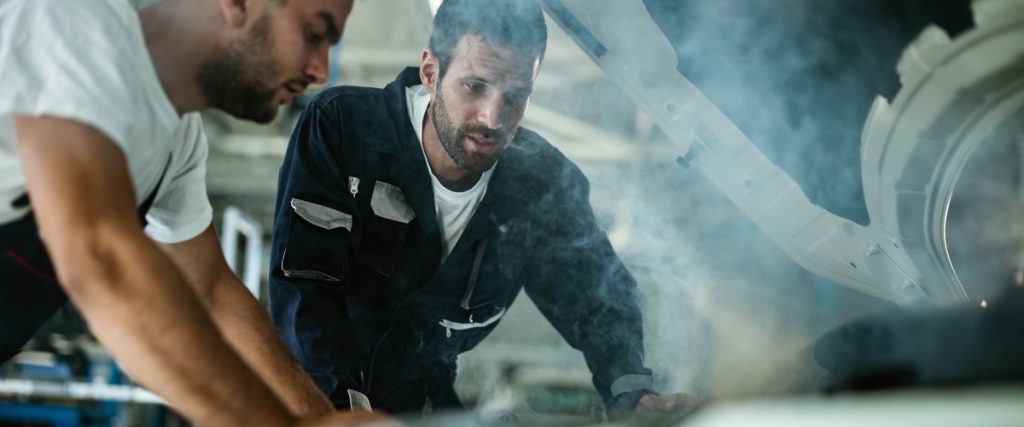
Overheating. The word alone sends shivers down the spine of any car owner. It's more than just an inconvenience; it's a sign that something is seriously wrong within your engine. Understanding what happens when your car overheats, and the potential consequences, is crucial for proactive maintenance and preventing catastrophic engine damage. This article dives deep into the causes, effects, and solutions related to engine overheating.
The Root Causes of Overheating
Before we explore the damage, let's identify the common culprits behind engine overheating. The most frequent reason is a problem within the cooling system. This system is designed to regulate engine temperature by circulating coolant (a mixture of water and antifreeze) through the engine block and radiator. Any disruption to this process can lead to overheating.
- Low Coolant Levels: This is often the simplest, yet most overlooked, cause. Leaks in the radiator, hoses, water pump, or even the head gasket can lead to a coolant shortage.
- Radiator Issues: A clogged radiator, either internally with scale buildup or externally with debris blocking airflow, restricts heat dissipation. Damaged radiator fans are also culprits, reducing airflow.
- Thermostat Failure: The thermostat is a valve that regulates coolant flow to the radiator. If it's stuck closed, coolant cannot reach the radiator, leading to rapid overheating.
- Water Pump Failure: The water pump circulates coolant. If it fails, coolant circulation stops, and the engine overheats quickly. Common signs include whining noises from the engine bay and coolant leaks.
- Head Gasket Failure: A blown head gasket allows combustion gases to leak into the cooling system, pressurizing it and reducing its efficiency. It can also allow coolant to leak into the cylinders, causing white smoke from the exhaust.
- Hose Problems: Cracked, collapsed, or leaking hoses restrict coolant flow.
The Chain Reaction: What Happens When Your Engine Overheats
When your engine temperature rises above its designed operating range, a cascade of problems begins. These problems can quickly escalate from minor inconveniences to major, expensive repairs.
- Increased Friction and Wear: High temperatures reduce the effectiveness of engine oil. This leads to increased friction between moving parts like pistons, connecting rods, and bearings, accelerating wear. Imagine trying to lubricate a hot pan with butter - it melts and runs, providing little actual lubrication.
- Metal Fatigue and Warping: Extreme heat weakens metal components. The cylinder head, being a complex and critical component, is particularly susceptible to warping. Warping can compromise the seal between the head and the engine block, leading to compression loss and coolant leaks.
- Piston Ring Damage: Overheating can cause piston rings to lose their tension or even crack. This results in reduced compression, oil consumption, and blue smoke from the exhaust.
- Coolant System Failure: Excessive pressure in the cooling system due to overheating can rupture hoses, blow off radiator caps, and even crack the radiator itself. This leads to further coolant loss and exacerbates the overheating problem.
- Engine Seizure: In the worst-case scenario, extreme heat can cause the pistons to expand and seize within the cylinders. This is catastrophic engine failure, often requiring a complete engine replacement. This is sometimes called "thermal lock."
Real-World Examples and Case Studies
Consider a scenario where a driver ignores a slightly elevated temperature gauge for several weeks. Initially, they might only experience a minor loss of power. However, over time, the increased friction and wear take their toll, leading to piston ring damage and oil consumption. Eventually, the engine starts knocking due to worn bearings, and the cost of repair skyrockets compared to addressing the initial, minor overheating issue. Ignoring the warning signs has transformed a simple fix into a major overhaul.
Another common scenario involves a vehicle with a leaking radiator hose. As coolant levels drop, the engine gradually overheats, especially during hot weather or while towing. The driver, unaware of the leak, continues to drive, eventually causing the cylinder head to warp. The resulting repair involves replacing the head gasket, machining the cylinder head, and potentially replacing other damaged components – a far more expensive proposition than simply replacing the leaking hose initially.
Preventative Measures and Solutions
Preventing overheating requires proactive maintenance and vigilance. Regularly check your coolant levels, inspect hoses for cracks or leaks, and ensure the radiator is clean and free of debris. Consider a coolant flush according to your vehicle's maintenance schedule. Pay attention to your temperature gauge, and if you notice it consistently running hotter than normal, investigate the issue immediately. If your car does overheat, pull over safely, turn off the engine, and let it cool down before attempting any repairs. Never remove the radiator cap while the engine is hot, as the pressurized coolant can cause severe burns. Seek professional assistance from a qualified mechanic to diagnose and repair the underlying cause of the overheating.
By understanding the causes and consequences of engine overheating, you can take steps to protect your vehicle and prevent costly repairs. Early detection and prompt action are key to keeping your engine running smoothly and reliably for years to come. Regular maintenance is the most important thing you can do.