
What Is A Compression Test On A Car
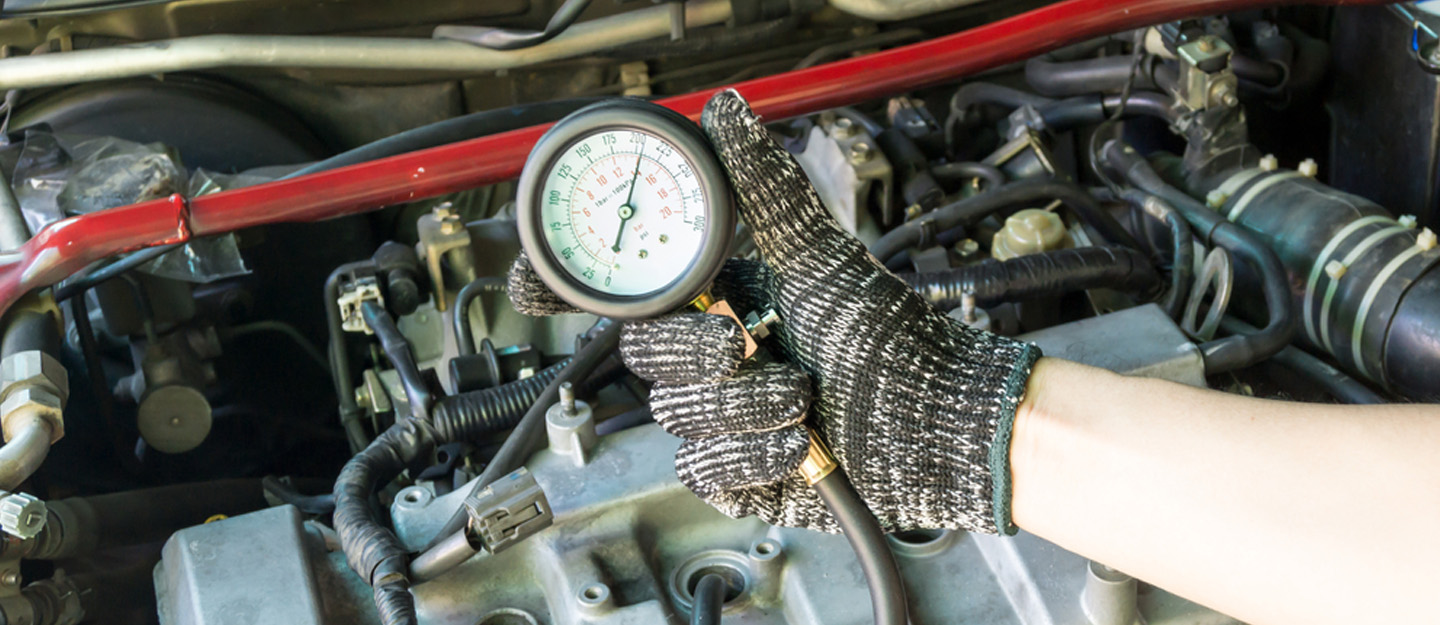
The internal combustion engine, the heart of most vehicles on the road today, relies on a complex series of precisely timed events to convert fuel into motion. At the core of this process is compression: the act of squeezing the air-fuel mixture within a cylinder to dramatically increase its temperature, setting the stage for efficient combustion. But what happens when this compression process falters? That's where a compression test comes in. It's a diagnostic procedure used to assess the health of your engine's cylinders, revealing crucial information about its ability to seal and maintain pressure. Let's delve into the intricacies of this valuable test.
Why Perform a Compression Test?
A compression test is more than just a routine check; it's a window into the inner workings of your engine. Declining compression is a telltale sign of potential problems lurking beneath the surface. Several issues can lead to reduced compression, including:
- Worn or broken piston rings: These rings seal the gap between the piston and the cylinder wall, preventing combustion gases from leaking into the crankcase. Wear and tear, overheating, or even damage from debris can compromise their sealing ability.
- Leaking or burnt valves: Valves control the flow of air and exhaust gases into and out of the cylinder. If they don't seat properly due to carbon buildup, wear, or heat damage, compression will leak past them.
- Damaged cylinder head gasket: This gasket seals the cylinder head to the engine block, preventing coolant and oil from mixing and maintaining compression. A blown head gasket can cause a significant loss of compression, often accompanied by other symptoms like coolant loss or overheating.
- Cracked cylinder head or engine block: While less common, cracks in the cylinder head or engine block can also lead to compression loss.
By performing a compression test, you can pinpoint the source of these issues and take appropriate action before they escalate into more serious and costly repairs. Detecting these problems early can prevent catastrophic engine failure and extend the lifespan of your vehicle.
The Two Types of Compression Tests
There are two main types of compression tests: the dry compression test and the wet compression test. Each provides slightly different information about the engine's condition.
Dry Compression Test
The dry compression test is the initial step in evaluating cylinder compression. It involves measuring the compression pressure in each cylinder without adding any oil.
Procedure:
- Preparation: Ensure the engine is warm (but not hot) and the battery is fully charged. Disconnect the fuel pump relay or disable the fuel injectors to prevent fuel from entering the cylinders during the test. Remove all spark plugs.
- Testing: Screw the compression tester into the spark plug hole of the first cylinder.
- Cranking: With the throttle fully open (to allow maximum airflow), crank the engine for several revolutions (typically 5-7) until the pressure reading on the gauge stabilizes.
- Recording: Record the compression pressure reading for that cylinder.
- Repeat: Repeat steps 2-4 for each of the remaining cylinders.
Interpretation:
- Overall Compression: Note the compression pressure in each cylinder. Compare these readings to the manufacturer's specifications for your engine. Generally, a healthy engine should have compression pressures within a specific range.
- Cylinder Variation: Pay close attention to the differences in compression between cylinders. A significant difference (typically more than 10-15% between the highest and lowest readings) indicates a potential problem in one or more cylinders.
- Low Compression: Consistently low compression across all cylinders could indicate worn piston rings in general, valve timing issues or a more widespread issue affecting the entire engine.
Wet Compression Test
If the dry compression test reveals low compression in one or more cylinders, a wet compression test can help determine whether the problem lies with the piston rings or the valves.
Procedure:
- Preparation: Repeat the preparation steps from the dry compression test.
- Adding Oil: Add a small amount of engine oil (typically a tablespoon or two) into the cylinder through the spark plug hole. This oil will temporarily seal any gaps between the piston rings and the cylinder wall.
- Testing: Repeat the compression test procedure as described above for the dry compression test.
- Recording: Record the compression pressure reading for that cylinder.
Interpretation:
- Increased Compression: If the compression pressure increases significantly after adding oil, it suggests that the piston rings are the primary source of the leak. The oil effectively seals the rings, restoring compression.
- No Significant Increase: If the compression pressure remains low even after adding oil, it indicates that the problem is likely with the valves (leaking or burnt) or a blown head gasket. The oil won't seal valve leaks or a head gasket leak.
Interpreting the Results: A Deeper Dive
While the dry and wet compression tests provide valuable information, understanding the results requires careful analysis. Here's a breakdown of common scenarios and their potential causes:
Low Compression in One Cylinder
This is a common finding and often indicates a localized issue. Possible causes include:
- Worn or broken piston rings: As mentioned earlier, damaged rings can't effectively seal the combustion chamber.
- Leaking or burnt valves: A valve that doesn't seat properly will allow compression to escape.
- Damaged cylinder head gasket (localized to that cylinder): A leak in the head gasket near that cylinder will cause compression loss.
Low Compression in Two Adjacent Cylinders
This pattern often points to a problem affecting the area between the cylinders.
- Blown head gasket between the cylinders: This is a likely cause, as the compromised gasket allows compression to leak between the two cylinders.
- Cracked cylinder head or engine block between the cylinders: While less frequent, this can also create a path for compression loss.
Low Compression in All Cylinders
This suggests a more widespread issue affecting the entire engine.
- Worn piston rings (general wear): As engines age, piston rings can wear down, leading to reduced compression across all cylinders.
- Valve timing issues: Incorrect valve timing can affect compression in all cylinders. This could be due to a stretched timing chain or a misaligned camshaft.
- Overall engine wear: General wear and tear on engine components can contribute to lower compression across the board.
Very High Compression
While low compression is a common concern, unusually high compression can also indicate a problem.
- Carbon buildup in the combustion chamber: Excessive carbon deposits can reduce the volume of the combustion chamber, increasing the compression ratio.
- Incorrect valve timing: This can cause the valves to close at inappropriate times, leading to higher compression.
Tools and Precautions
Performing a compression test requires a few essential tools:
- Compression tester: This gauge measures the pressure within the cylinder. Choose one that fits your engine's spark plug thread size.
- Spark plug socket and wrench: For removing and installing spark plugs.
- Socket wrench set: For disconnecting fuel injectors or the fuel pump relay.
- Screwdriver set: May be needed to remove engine covers or components for access.
- Engine oil: For the wet compression test.
- Safety glasses and gloves: Essential for protecting your eyes and hands.
Precautions:
- Work in a well-ventilated area: The engine will produce exhaust fumes during the test.
- Disconnect the ignition system: Prevent accidental sparking by disconnecting the ignition coil or distributor.
- Be careful around hot engine components: Allow the engine to cool down slightly before starting the test.
- Follow manufacturer's instructions: Consult your vehicle's service manual for specific instructions and torque specifications.
Beyond the Compression Test
While a compression test is a valuable diagnostic tool, it's often just one piece of the puzzle. Other tests and inspections may be necessary to pinpoint the exact cause of engine problems. These can include:
- Leak-down test: This test measures the rate at which air leaks out of the cylinder, providing more detailed information about the location of the leak.
- Visual inspection: Inspecting the spark plugs, valves, and cylinder walls can reveal signs of damage or wear.
- Engine code scan: Using an OBD-II scanner to check for diagnostic trouble codes (DTCs) can provide clues about engine problems.
In conclusion, a compression test is an essential diagnostic procedure for evaluating the health of your engine. By understanding the principles behind the test and carefully interpreting the results, you can gain valuable insights into the condition of your engine's cylinders and identify potential problems before they lead to serious damage. While it's a test that can be performed by a DIY enthusiast, always consult your vehicle's service manual and take the necessary safety precautions. If you're unsure about any aspect of the test, it's best to consult a qualified mechanic.