
What Is Better To Have Torque Or Horsepower
Okay, so you're wondering whether torque or horsepower is "better" for your vehicle. It's a question we get asked a lot here, and the truth is, it's not an "either/or" situation. Both are crucial, but which one is *more* important really depends on what you need your vehicle to do.
Understanding the Basics: Torque vs. Horsepower
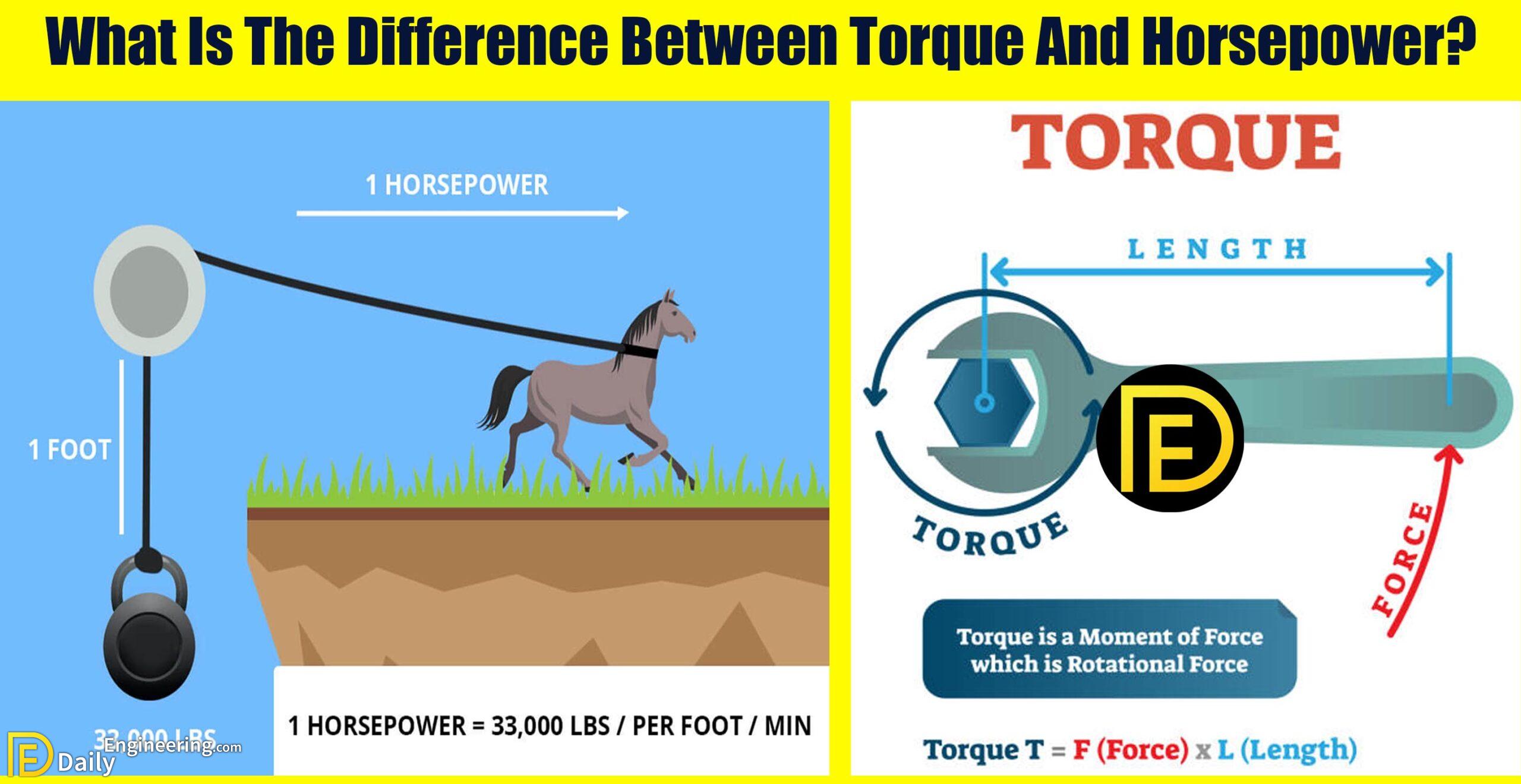
Let's start with the definitions. Think of torque as the "twisting force" of your engine. It's what gets you moving from a standstill. More specifically, it's a measure of how much force the engine applies to rotate the crankshaft. Imagine using a wrench to loosen a bolt. Torque is like the force you apply to the wrench. A higher torque value means you can loosen a tighter bolt with less effort. In a car, it's what lets you accelerate quickly, especially at lower speeds, and pull heavy loads.
Horsepower, on the other hand, is a measure of how *quickly* the engine can do work. It's a function of both torque and engine speed (RPM). You can think of it as a measure of how much work the engine can perform per unit time. High horsepower means you can maintain higher speeds and accelerate quickly at higher RPMs. It's what allows you to pass other cars on the highway or climb steep hills without losing speed.
The relationship is this: Horsepower = (Torque x RPM) / 5252. This formula highlights that horsepower is directly proportional to both torque and RPM. You can have high torque at low RPMs and generate a certain amount of horsepower, or you can have lower torque but spin the engine at much higher RPMs to achieve a similar horsepower number.
When Torque Takes the Lead
For certain driving scenarios, torque is king. Consider these situations:
- Towing and Hauling: If you frequently tow trailers, boats, or haul heavy loads, you need plenty of low-end torque. This will provide the pulling power needed to get the load moving and maintain speed, especially uphill. Diesel engines are generally favored for towing because they produce significant torque at low RPMs.
- Off-Roading: Crawling over rocks and navigating challenging terrain requires substantial torque at low speeds. This prevents the engine from stalling and provides the necessary power to overcome obstacles. Four-wheel-drive vehicles designed for off-roading often prioritize torque over horsepower.
- City Driving: Stop-and-go city driving benefits from strong low-end torque. It allows you to accelerate quickly from traffic lights and easily navigate congested streets.
If you're experiencing difficulty towing a trailer, or your truck struggles to accelerate when loaded, you may be facing a torque deficiency. Possible causes and solutions include:
- Engine Tune-Up: A poorly maintained engine can lose torque. A thorough tune-up, including spark plug replacement, air filter cleaning/replacement, and fuel injector cleaning, can restore lost performance. Approximate cost: $200-$500 (depending on the vehicle). Tools needed: Spark plug socket, ratchet, air filter wrench, fuel injector cleaner.
- Exhaust System Restrictions: A clogged catalytic converter or a restrictive muffler can significantly reduce torque. Inspect your exhaust system for damage or blockages. Replacing a clogged catalytic converter is a common solution. Approximate cost: $300-$1000 (depending on the vehicle and type of catalytic converter).
- Gear Ratio Issues: Incorrect gear ratios can make it difficult to tow heavy loads. Re-gearing your axles to a lower (numerically higher) gear ratio can improve torque at the wheels. This is a more involved and expensive solution. Approximate cost: $1500-$4000 (depending on the vehicle and the axles).
When Horsepower Matters Most
Horsepower shines in situations where maintaining high speeds and accelerating quickly at higher RPMs are essential:
- Highway Driving: Maintaining high speeds on the highway requires horsepower. This is what allows you to pass other vehicles quickly and climb hills without losing speed.
- Track Racing: On a racetrack, horsepower is critical for achieving high top speeds and accelerating quickly out of corners.
- Sporty Driving: If you enjoy spirited driving and want quick acceleration at higher speeds, horsepower is more important.
If you're noticing a lack of power at highway speeds, or your car feels sluggish when trying to pass, horsepower might be the issue. Potential causes and solutions include:
- Airflow Restrictions: Similar to torque issues, restrictions in the intake or exhaust system can limit horsepower. Ensure your air filter is clean and your exhaust system is flowing freely. Approximate cost: $30-$100 for air filter replacement.
- Engine Management Issues: Problems with the engine control unit (ECU) or sensors can negatively impact horsepower. A diagnostic scan can reveal any error codes. Addressing sensor failures or ECU programming issues can restore lost power. Approximate cost: $100-$500 (depending on the issue). Tools needed: OBD-II scanner.
- Camshaft and Valvetrain: The camshaft profile plays a significant role in determining the engine's horsepower characteristics. A worn or improperly timed camshaft can reduce horsepower. While a more involved repair, replacing or re-timing the camshaft can be an option. Approximate cost: $500-$2000 (depending on the vehicle and the complexity of the job).
Finding the Right Balance
Ideally, you want a vehicle with a good balance of both torque and horsepower. Most modern engines are designed to provide a decent amount of torque at lower RPMs and build horsepower as the RPMs increase. This provides a versatile driving experience, suitable for both city and highway driving.
Consider your primary driving needs when choosing a vehicle. If you prioritize towing and off-roading, look for vehicles with high torque ratings. If you prioritize highway driving and sporty performance, focus on horsepower. However, remember that a well-rounded engine with a good balance of both will generally provide the most satisfying driving experience.
And remember, these are just general guidelines. Each vehicle is different, and the specific needs of the driver will vary. If you're unsure which is more important for your situation, consult with a qualified mechanic who can assess your vehicle and driving habits and provide personalized recommendations. We're always here to help!
A Note on Engine Tuning
Engine tuning, whether through aftermarket chips, ECU reflashing, or even physical modifications, can alter the torque and horsepower curves of your engine. Be cautious when considering these modifications, as they can sometimes compromise reliability or fuel economy. Always consult with a reputable tuner and understand the potential consequences before making any modifications.
Important Reminder: Always prioritize safety and consult with a qualified mechanic before attempting any repairs or modifications to your vehicle. Improperly performed work can be dangerous and may void your warranty.