
What Is The Intercooler For A Turbocharger
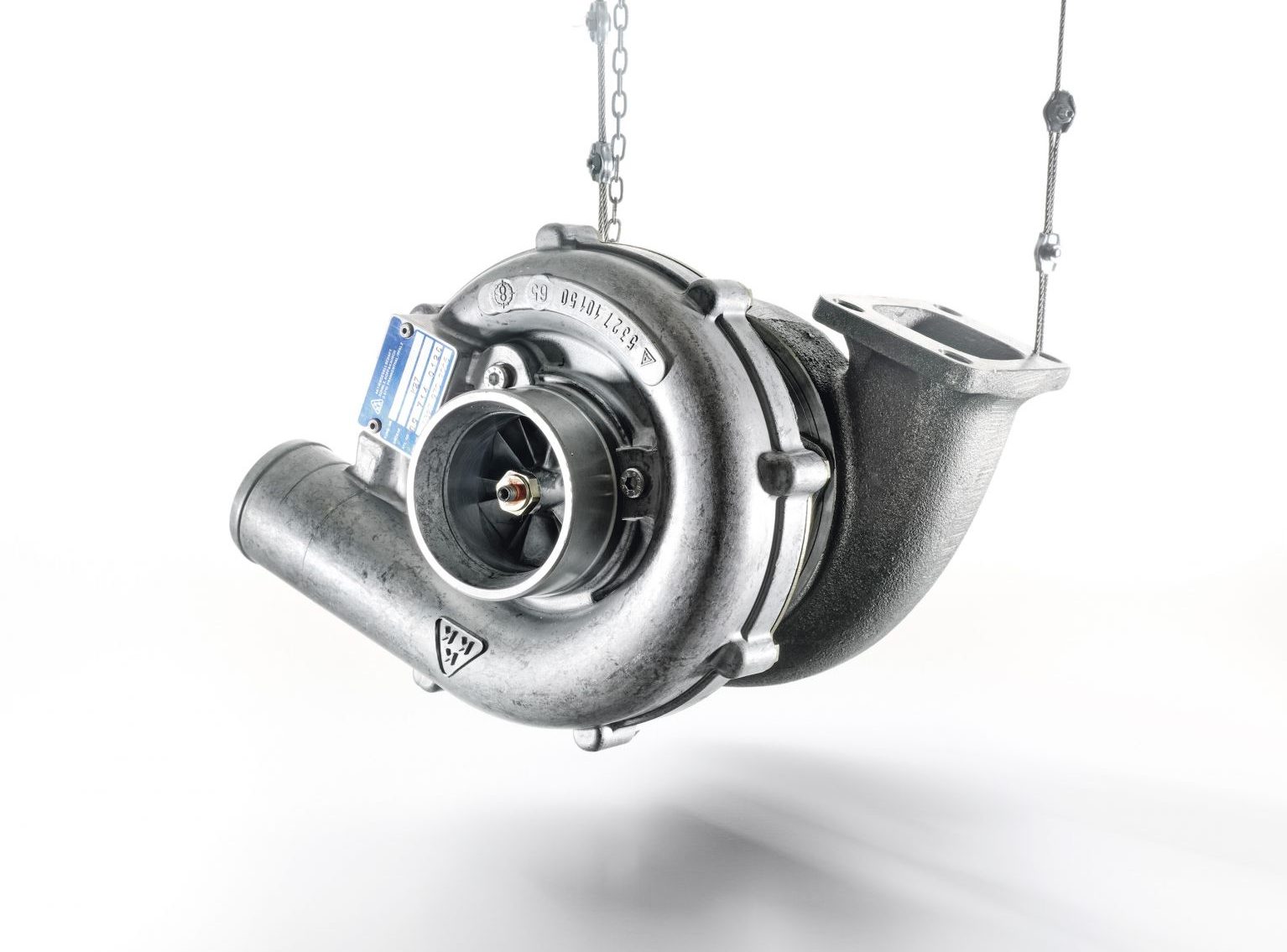
For decades, the turbocharger has been a staple in the automotive industry, a key player in the pursuit of increased power and improved fuel efficiency. Central to a turbocharger's functionality is the intercooler, a seemingly simple component with a critical role: to cool the compressed air coming from the turbocharger before it enters the engine. But what does the future hold for the intercooler, especially as the automotive landscape rapidly shifts towards electrification and smarter technologies?
The Intercooler: A Refresher
Let's revisit the basics. Turbochargers force more air into the engine cylinders than would naturally be drawn in, allowing for more fuel to be burned and, consequently, more power to be generated. However, compressing air generates heat. Hot air is less dense and contains less oxygen, diminishing the benefits of turbocharging. That's where the intercooler comes in. It acts as a radiator for the intake air, reducing its temperature, increasing its density, and boosting the engine's power output. Traditional intercoolers are either air-to-air or air-to-water designs, each with its own set of advantages and disadvantages.
Intercoolers in the Age of Electrification
The rise of electric vehicles (EVs) might lead one to believe that the intercooler is destined for obsolescence. After all, EVs don't have internal combustion engines, so no turbocharger, and therefore no need for an intercooler, right? Not so fast. The automotive industry is far more complex, and the transition to full electrification is a gradual process. Hybrid systems, for example, often combine a downsized turbocharged engine with electric motors. In these applications, the intercooler remains crucial. Expect to see advancements in intercooler designs tailored specifically for hybrid powertrains, focusing on compactness, lightweight materials, and integration with advanced thermal management systems.
Furthermore, even in the realm of pure EVs, thermal management is paramount. Battery performance and longevity are highly dependent on maintaining optimal operating temperatures. While not strictly an "intercooler" in the traditional sense, advanced cooling systems for batteries share many of the same principles, such as heat exchangers and fluid dynamics. Innovations in intercooler technology, like more efficient heat dissipation materials and advanced core designs, can potentially be adapted and applied to battery cooling systems, improving EV performance and range.
Smart Intercoolers and the Future of Thermal Management
Beyond hybrid powertrains and battery cooling, the future of the intercooler lies in its integration with smart automotive solutions. Imagine an intercooler equipped with sensors that constantly monitor air temperature, pressure, and flow rate. This data can be fed into the vehicle's control unit, allowing for real-time adjustments to the engine's parameters, optimizing performance and fuel efficiency based on driving conditions. This could involve adjusting turbocharger boost levels, fuel injection timing, and even active airflow management through the intercooler itself, using electronically controlled vanes or shutters.
Another area of potential innovation is the development of active intercoolers. These systems could utilize thermoelectric coolers (TECs) to further reduce intake air temperature, especially in hot climates or during demanding driving situations. TECs offer the advantage of precise temperature control and can even be used to pre-cool the intake air before starting the engine, enhancing initial performance.
However, challenges remain. Advanced intercooler technologies often come with increased complexity, cost, and weight. Integrating sophisticated sensors and control systems requires robust software and reliable hardware. Moreover, ensuring the long-term durability and reliability of these systems in the harsh automotive environment is a significant hurdle.
Realistic Optimism and the Changing Landscape of Mobility
While the automotive industry is undergoing a massive transformation, the underlying principles of thermodynamics and efficient energy management remain unchanged. The need to cool compressed air or manage thermal loads within a vehicle will persist, regardless of the powertrain. The intercooler, in its various evolved forms, will continue to play a vital role in achieving optimal performance, efficiency, and reliability.
We should be optimistic about the potential for innovation in this field. Material science is constantly advancing, leading to lighter, more efficient, and more durable heat exchangers. Computational fluid dynamics (CFD) simulations are becoming increasingly sophisticated, allowing engineers to design and optimize intercooler systems with unprecedented precision. And the growing demand for electric and hybrid vehicles is driving investment in advanced thermal management technologies, creating a fertile ground for new ideas and solutions.
The transition to new mobility solutions is not without its challenges. Cost, complexity, and the need for robust infrastructure are all significant hurdles. However, the potential benefits – reduced emissions, improved fuel efficiency, enhanced performance, and a more sustainable transportation future – are too compelling to ignore. The intercooler, in its evolved and adapted forms, will be a key enabler in achieving this vision.
Ultimately, the future of the intercooler is not just about cooling air. It's about intelligent thermal management, seamlessly integrated with the vehicle's overall system, contributing to a more efficient, sustainable, and enjoyable driving experience. It's about bridging the gap between the internal combustion engine of the past and the electric powertrains of the future, ensuring that every vehicle, regardless of its propulsion system, operates at its peak potential. This is the exciting future of mobility, a future where even the seemingly humble intercooler plays a crucial and ever-evolving role.