
What Is Type A Automatic Transmission Fluid
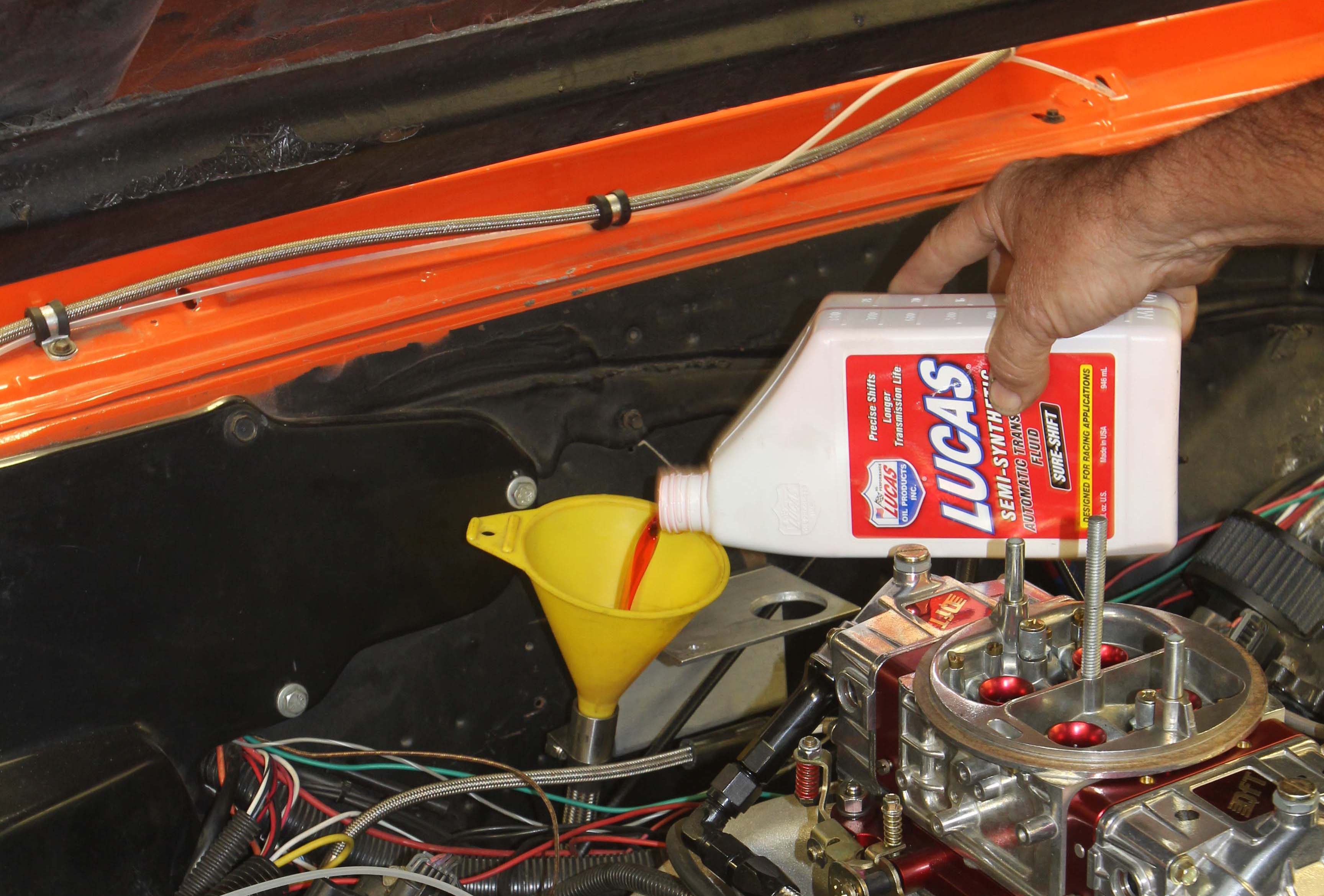
Understanding Type A Automatic Transmission Fluid
Automatic transmission fluid (ATF) is a critical component in your vehicle's automatic transmission system. It acts as a lubricant, coolant, hydraulic fluid, and friction modifier, ensuring smooth and efficient gear changes. Among the many types of ATF available, Type A automatic transmission fluid holds a unique place in automotive history.
While you might not find Type A fluid lining the shelves of your local auto parts store today, understanding its origins and purpose provides valuable context for the evolution of modern ATFs. This article will delve into what Type A ATF was, its characteristics, and why it's largely been superseded by more advanced formulations.
What Was Type A Automatic Transmission Fluid?
Type A ATF was one of the earliest standardized automatic transmission fluids. Developed primarily by General Motors (GM) in the 1940s, it was designed for use in their early automatic transmissions like the Hydra-Matic. Before Type A, transmission fluids were largely unstandardized, leading to compatibility issues and performance problems.
Essentially, Type A ATF was an attempt to create a fluid that met the specific needs of these early automatic transmissions. It was formulated to provide adequate lubrication, maintain a consistent viscosity across a range of operating temperatures, and effectively transmit hydraulic pressure to shift gears.
Key Characteristics of Type A ATF
Type A ATF possessed certain characteristics that were considered advanced for its time:
- Viscosity: Type A fluid had a specific viscosity range designed to function optimally within the operating temperatures of the early automatic transmissions. Viscosity is crucial for proper lubrication and hydraulic pressure transmission.
- Friction Modification: It contained additives to modify the friction characteristics between the clutch plates and bands within the transmission. This ensured smooth and controlled shifting.
- Oxidation Stability: Type A fluid was formulated to resist oxidation, a process that can degrade the fluid and lead to sludge formation, hindering transmission performance.
- Corrosion Inhibition: Additives were included to protect the transmission's internal components from corrosion, extending the life of the transmission.
However, it’s important to note that compared to modern ATFs, Type A fluid lacked the advanced performance characteristics and durability of newer formulations.
Why You Won't Find Type A ATF Today
The automotive industry has undergone significant advancements in both transmission design and fluid technology since the introduction of Type A ATF. Modern automatic transmissions are more complex, operate at higher temperatures, and require fluids with significantly improved performance characteristics.
Here's why Type A ATF is no longer in widespread use:
- Improved Transmission Designs: Modern transmissions feature more gears, tighter tolerances, and more sophisticated control systems. These advancements demand fluids that can handle increased heat, pressure, and shear forces.
- Superior Fluid Technology: Modern ATF formulations offer superior oxidation stability, friction modification, shear stability, and wear protection compared to Type A. Synthetic and semi-synthetic fluids are now common, providing even greater performance benefits.
- Specific Transmission Requirements: Today, most automatic transmissions require highly specialized fluids designed to meet the unique needs of specific transmission models. One-size-fits-all fluids are largely a thing of the past.
- Superseded by DEXRON and MERCON: GM replaced Type A with the DEXRON series of fluids, offering improved performance and compatibility. Ford developed the MERCON series. These fluids became the new standards for automatic transmissions, effectively rendering Type A obsolete.
DEXRON and MERCON: The Successors to Type A
The development of DEXRON and MERCON marked a significant leap forward in automatic transmission fluid technology. These fluids offered improved thermal stability, oxidation resistance, and friction characteristics compared to Type A. Subsequent iterations of DEXRON and MERCON (e.g., DEXRON-II, DEXRON-III, DEXRON-VI, MERCON V, MERCON LV) further enhanced performance and addressed the evolving needs of automatic transmissions.
It's crucial to use the correct type of ATF specified for your vehicle. Using the wrong fluid can lead to poor shifting, transmission damage, and reduced lifespan. Always consult your vehicle's owner's manual or a qualified mechanic to determine the appropriate ATF for your specific transmission.
Can You Still Use Type A ATF?
In almost all cases, the answer is a resounding no. Unless you own a very old vehicle specifically designed for Type A fluid, using it in a modern automatic transmission is highly discouraged. It simply doesn't meet the performance requirements of modern transmissions and can lead to significant damage.
Even if you own a classic car that originally used Type A fluid, consider consulting with a classic car specialist. They may recommend a modern equivalent or a specially formulated fluid designed for vintage transmissions that offers improved protection and performance while maintaining compatibility with original seals and materials.
Alternatives to Type A ATF
If you're unsure which ATF to use in your vehicle, here are some steps you can take:
- Consult Your Owner's Manual: Your owner's manual is the best source of information for determining the correct ATF for your vehicle.
- Check the Transmission Dipstick: The transmission dipstick may also indicate the recommended ATF type.
- Consult a Qualified Mechanic: A qualified mechanic can accurately identify the correct ATF for your vehicle and perform the fluid change.
- Use an Online Fluid Finder: Many ATF manufacturers offer online fluid finders that allow you to input your vehicle's make, model, and year to determine the appropriate fluid.
In Conclusion
While Type A automatic transmission fluid played an important role in the early development of automatic transmission technology, it's now largely obsolete. Modern automatic transmissions require fluids with significantly improved performance characteristics, such as DEXRON and MERCON. Always use the ATF specified for your vehicle to ensure optimal performance and longevity of your transmission. Using the wrong fluid can lead to costly repairs, so it's always best to err on the side of caution and consult your owner's manual or a qualified mechanic.
Understanding the history of ATF helps you appreciate the advancements in fluid technology and the importance of using the correct fluid for your vehicle.