
What Kind Of Oil Does A Subaru Outback Take
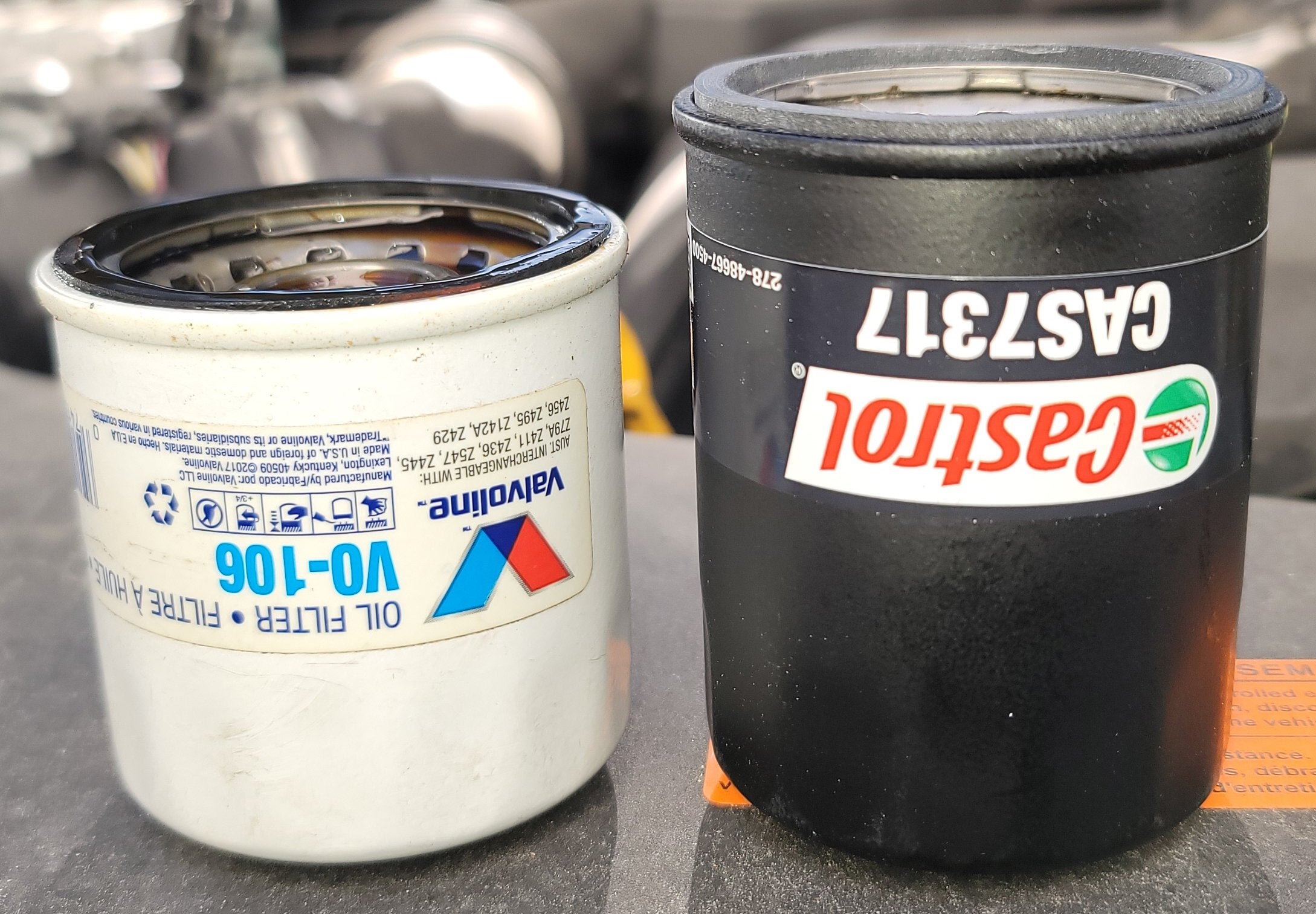
So, you're the proud owner of a Subaru Outback. Excellent choice! You've got yourself a versatile, reliable wagon ready for anything from grocery runs to weekend adventures. But let's talk oil. Because what keeps that horizontally opposed heart beating strong is more than just luck – it's proper lubrication. And knowing what kind of oil your Outback needs is crucial for longevity and performance. This isn't a one-size-fits-all situation, folks. Let's dive in.
The Outback Oil Landscape: A Breakdown
The Subaru Outback has seen its fair share of engine configurations over the years, each with slightly different oil requirements. We'll focus on the more common models and engines you're likely to encounter.
Common Engines & Their Needs:
- 2.5L Naturally Aspirated Boxer Engine (FB25/FA25): Found in many Outbacks from 2010 onward. This is the workhorse.
- 3.6L Naturally Aspirated Boxer Engine (EZ36): Offered in earlier generations and providing a healthy power bump.
- 2.4L Turbocharged Boxer Engine (FA24): A newer addition, bringing turbocharged fun to the Outback lineup.
Here's a quick spec table summarizing the general recommendations. Always consult your owner's manual for the definitive answer for your specific year and model!
| Engine | Recommended Oil Weight | Oil Type | Oil Capacity (Approximate) |
|---|---|---|---|
| 2.5L NA (FB25/FA25) | 0W-20 (preferred), 5W-30 (alternative in warmer climates) | Synthetic (Highly Recommended) | 5.1 Quarts (4.8 Liters) |
| 3.6L NA (EZ36) | 5W-30 | Synthetic (Recommended) | 6.9 Quarts (6.5 Liters) |
| 2.4L Turbo (FA24) | 0W-20 | Synthetic (Required) | 4.8 Quarts (4.5 Liters) |
Synthetic vs. Conventional: A Non-Debate (Sort Of)
For modern Outbacks, especially those with the 2.5L and 2.4L Turbo engines, using synthetic oil is highly recommended, if not required. Why? Because these engines are designed with tighter tolerances and operate at higher temperatures. Synthetic oil provides superior protection against wear, better cold-start performance, and resists breakdown better than conventional oil. The 3.6L, while more forgiving, will still benefit significantly from synthetic.
Pros & Cons of Synthetic Oil:
- Pros:
- Superior wear protection
- Better cold-start performance
- Increased resistance to breakdown at high temperatures
- Longer oil change intervals (potentially)
- Cons:
- Higher initial cost
The higher initial cost of synthetic oil is often offset by its longer lifespan and the superior protection it provides. Think of it as an investment in the longevity of your Outback.
Real-World Driving Impressions and Oil Choice:
I've driven Outbacks across various terrains, from scorching desert highways to icy mountain passes. Here's what I've observed:
- 2.5L NA: With synthetic 0W-20, the engine feels smooth and responsive. Oil consumption is minimal. In very hot climates, a 5W-30 synthetic can offer an extra layer of protection.
- 3.6L NA: This engine appreciates the slightly thicker 5W-30 synthetic. It maintains good oil pressure even under heavy loads.
- 2.4L Turbo: 0W-20 synthetic is the only way to go here. The turbocharger demands the best possible lubrication. Don't skimp! You might see a slight MPG decrease compared to the NA engine, but the performance boost is worth it. Regular oil changes are crucial to prevent oil-related turbo issues.
Beyond the Weight: Additives and Certifications
While the oil weight is important, also pay attention to the certifications listed on the oil bottle. Look for the API (American Petroleum Institute) starburst symbol indicating that the oil meets the latest industry standards. Some enthusiasts also prefer oils with specific additive packages designed for enhanced wear protection or cleaning.
The Final Word (For Now)
Choosing the right oil for your Subaru Outback is essential for its long-term health and performance. Stick to the manufacturer's recommendations in your owner's manual, prioritize synthetic oil, and consider your driving conditions. Regularly check your oil level and schedule oil changes according to the recommended intervals. Your Outback will thank you for it with years of reliable service.
Now for the fun part: Let's ignite a debate! If you could only use one brand of oil for the rest of your Outback's life, what would it be and why? Let the arguments commence in the comments below!