
What Kind Of Power Steering Fluid Do I Need
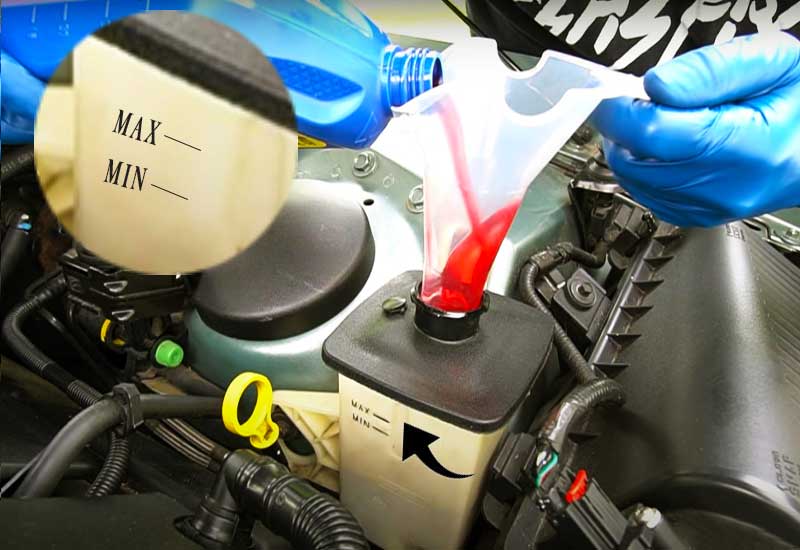
Choosing the correct power steering fluid (PSF) is crucial for the longevity and optimal performance of a vehicle's steering system. This choice isn't simply a matter of picking the cheapest option on the shelf; it's about understanding the specific requirements of the system, the chemical composition of the fluid, and the potential consequences of using an incorrect formulation.
Understanding Power Steering Systems and Their Fluid Needs
Power steering systems are typically hydraulic systems that use a pump, driven by the engine, to provide assistance in steering. The power steering fluid acts as the hydraulic medium, transmitting pressure from the pump to the steering gear or rack and pinion assembly. This pressure assists the driver in turning the wheels, reducing the effort required, especially at low speeds. The fluid also lubricates the moving parts within the pump and steering gear, preventing wear and tear.
Different vehicle manufacturers have designed their power steering systems with varying tolerances and material compatibility in mind. Therefore, they specify particular types of PSF that meet their specific engineering requirements. Using the wrong fluid can lead to premature wear of seals, corrosion of metal components, pump failure, and a decrease in steering performance.
Types of Power Steering Fluid and Their Specifications
There are several main types of power steering fluid, each with distinct chemical properties and applications:
- Conventional Power Steering Fluid: This is the most basic type and often uses a mineral oil base. It's commonly found in older vehicles and some newer models. Specifications like Dexron II or Dexron III are often cited, though these are technically automatic transmission fluid (ATF) specifications that have been historically used as PSF. The advantages include lower cost and generally good compatibility with older systems. The disadvantages include a shorter lifespan, less resistance to temperature extremes, and potentially less effective lubrication compared to newer formulations.
- Synthetic Power Steering Fluid: Synthetic PSFs are formulated with synthetic base oils and advanced additive packages. They offer superior performance in terms of temperature stability, oxidation resistance, and lubrication. They generally exceed the performance of conventional fluids. The advantages include extended service intervals, better protection against wear, and improved performance in extreme temperatures. The disadvantages are higher cost and the need to ensure compatibility with the vehicle's specific requirements.
- ATF as Power Steering Fluid: As mentioned, automatic transmission fluid has been historically used and is still sometimes recommended or permitted by manufacturers. Specific ATF types like Dexron VI or Mercon V are often specified. Using ATF as PSF can be acceptable in certain systems designed for it, but it's crucial to verify compatibility in the vehicle's owner's manual or service information. The properties of ATF, such as friction modifiers, may not be ideal for all power steering systems.
- Specialized Power Steering Fluids: Some manufacturers, particularly European brands like BMW, Mercedes-Benz, and Volvo, require specialized PSFs that meet their unique specifications (e.g., CHF 11S, Pentosin). These fluids often have specific viscosity requirements and are formulated to be compatible with the materials used in their power steering systems. Using a generic fluid in these systems can lead to serious problems.
Pros and Cons of Different Fluid Types
The choice between different PSF types often involves a trade-off between cost and performance. Here's a summary:
- Conventional PSF:Pros: Inexpensive, readily available. Cons: Shorter lifespan, lower temperature stability, less effective lubrication.
- Synthetic PSF: Pros: Extended lifespan, high temperature stability, excellent lubrication, reduced wear. Cons: More expensive, potential compatibility issues if the wrong type is used.
- ATF: Pros: Readily available, may be suitable for specific systems. Cons: May not be optimal for all power steering systems, requires careful verification of compatibility.
- Specialized PSF: Pros: Designed for specific vehicle systems, ensuring optimal performance and compatibility. Cons: Most expensive, may be less readily available.
Reliability Aspects and Maintenance Tips
Using the correct PSF is essential for the reliability of the power steering system. Regularly checking the fluid level and condition is also crucial. Low fluid levels can indicate leaks, which should be addressed promptly. The fluid should be clear and free of contaminants. If the fluid appears dark, discolored, or contaminated, it should be flushed and replaced.
Maintenance Tips:
- Check the power steering fluid level regularly, typically indicated on the reservoir.
- Inspect the fluid for leaks or contamination.
- Follow the manufacturer's recommended service intervals for fluid replacement.
- When flushing the system, use the correct type of fluid and follow the proper procedure to avoid introducing air into the system.
- Consider using a power steering fluid filter to remove contaminants and extend the life of the fluid and system components.
Future Trends in Power Steering Fluids
The automotive industry is moving towards electric power steering (EPS) systems, which eliminate the need for hydraulic fluids altogether. EPS systems offer several advantages, including improved fuel efficiency, reduced emissions, and greater control over steering feel. However, hydraulic power steering systems will likely remain in use for many years to come, particularly in older vehicles and some heavy-duty applications.
For hydraulic systems, future trends in PSF will likely focus on developing more environmentally friendly and biodegradable fluids, as well as fluids with improved performance and extended service intervals. The development of more robust and reliable synthetic fluids will also be a priority.
Conclusion
Selecting the correct power steering fluid is a critical aspect of vehicle maintenance. Understanding the different types of fluids, their specifications, and the requirements of the vehicle's power steering system is essential for ensuring optimal performance and reliability. While electric power steering systems are becoming more prevalent, hydraulic systems will continue to be used for the foreseeable future, making the proper selection and maintenance of PSF a continuing concern for automotive professionals. As the automotive industry continues to evolve, staying informed about the latest advancements in power steering technology and fluid formulations will be crucial for providing the best possible service to customers.