
What Type Of Brake Fluid For 2004 Ford F150
Choosing the right brake fluid for your 2004 Ford F-150 is crucial for maintaining optimal braking performance and ensuring safety. While it might seem like a minor detail, using the incorrect fluid can lead to a range of problems, from decreased braking effectiveness to serious component damage. This article will delve into the specifics of brake fluid requirements for the 2004 F-150, covering fluid types, specifications, and best practices.
Understanding Brake Fluid Specifications
Brake fluid is a hydraulic fluid designed to transmit force from the master cylinder to the wheel cylinders or calipers, which in turn activate the brakes. Its key properties include a high boiling point, low viscosity, and compatibility with the braking system's materials. The Department of Transportation (DOT) classifies brake fluids based on their dry and wet boiling points. The DOT 3 and DOT 4 classifications are the most relevant for the 2004 Ford F-150.
DOT 3 brake fluid is glycol-based and is the generally recommended fluid type for the 2004 Ford F-150, according to the owner's manual. It has a minimum dry boiling point of 401°F (205°C) and a wet boiling point of 284°F (140°C). The 'dry' boiling point refers to the fluid's boiling point when it's brand new, while the 'wet' boiling point is after the fluid has absorbed moisture over time.
DOT 4 brake fluid is also glycol-based, but it contains borate esters which increase its boiling point. It has a higher dry boiling point of 446°F (230°C) and a wet boiling point of 311°F (155°C) minimum. DOT 4 is compatible with DOT 3 systems, and can offer enhanced performance, particularly in demanding driving conditions or in areas with high humidity.
Why Boiling Point Matters
Brake fluid is hygroscopic, meaning it readily absorbs moisture from the air. This absorption lowers the fluid's boiling point. When the brakes are applied, friction generates heat. If the brake fluid's boiling point is reached, vapor bubbles can form within the hydraulic system. These bubbles are compressible, unlike the liquid brake fluid, which means that instead of transmitting force to the brakes, the system will absorb it, leading to a spongy brake pedal and reduced braking power – a dangerous condition known as vapor lock. This is especially important in heavy-duty vehicles like the F-150, which are often used for towing or hauling, increasing the strain on the braking system.
Checking and Maintaining Brake Fluid
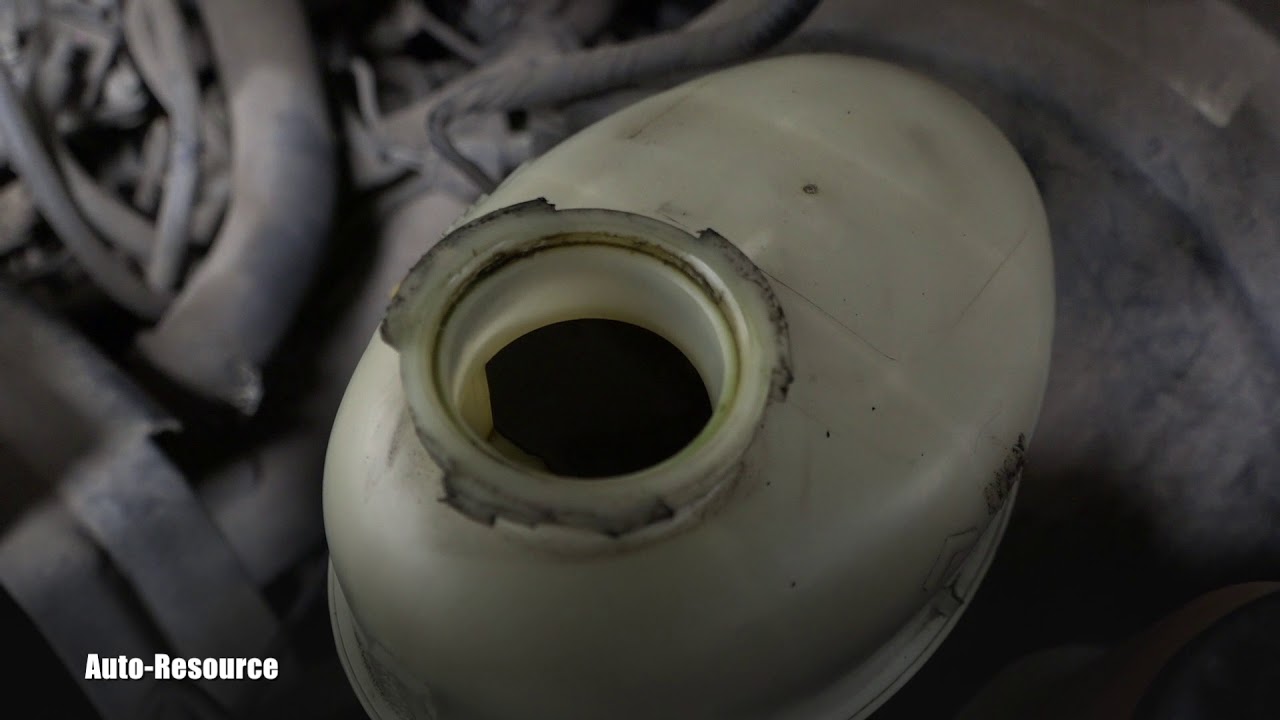
Regularly checking the brake fluid level and condition is essential. The reservoir is usually located on top of the master cylinder, under the hood. The fluid should be at or near the "Max" line. If it's consistently low, there might be a leak in the system. The fluid should also be a clear amber color. If it's dark or contaminated, it's time for a flush.
A complete brake fluid flush is recommended every two to three years, or as specified in the owner's manual. This involves completely replacing the old fluid with fresh fluid, removing any accumulated moisture and contaminants. A proper flush requires specific tools and knowledge to avoid introducing air into the system, which can also cause a spongy pedal. Consider taking your F-150 to a qualified mechanic for this service if you're not comfortable performing it yourself.
Real-World Considerations
For the average 2004 F-150 driver, using a quality DOT 3 brake fluid and adhering to the recommended maintenance schedule will provide adequate braking performance. However, if you frequently tow heavy loads, drive aggressively, or live in a hot and humid climate, upgrading to a DOT 4 fluid might be beneficial. The higher boiling point offers an extra margin of safety and can prevent brake fade under demanding conditions.
Important Note: Never use DOT 5 brake fluid in a 2004 F-150. DOT 5 is silicone-based and incompatible with the seals and components in a system designed for glycol-based fluids. Mixing DOT 5 with DOT 3 or DOT 4 can cause serious damage to the braking system.
Choosing the Right Brand
While the DOT specification is important, choosing a reputable brand can also make a difference. Look for brake fluids from well-known manufacturers like Valvoline, Castrol, or Prestone. These brands often offer superior formulations with enhanced corrosion protection and longer service life.
In conclusion, selecting the correct brake fluid for your 2004 Ford F-150 is a critical part of preventative maintenance. Using either a high-quality DOT 3 or DOT 4 fluid, coupled with regular inspections and flushes, will ensure reliable braking performance and keep you safe on the road. Always consult your owner's manual for the manufacturer's specific recommendations and follow proper procedures when servicing your braking system.