
What Type Of Oil Does A Harley Davidson Use
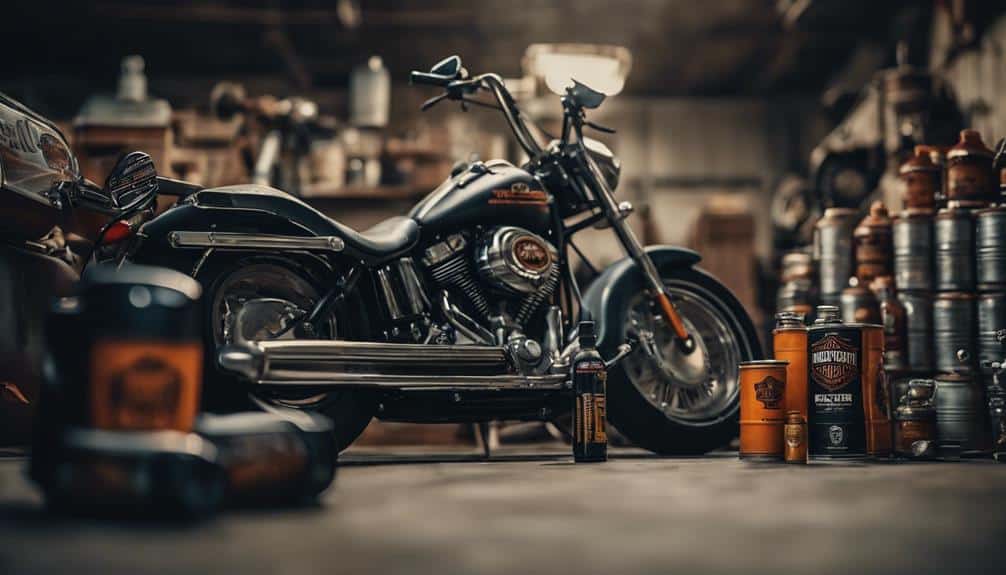
Choosing the right oil for your Harley-Davidson is crucial for its performance, longevity, and overall reliability. It's not just about lubrication; it's about protecting your engine from wear, managing heat, and ensuring smooth operation of your motorcycle. Using the wrong oil can lead to serious problems, including engine damage, reduced performance, and even costly repairs. In this article, we'll explore the types of oil recommended for Harleys, address common issues related to oil selection, and provide practical tips to keep your bike running smoothly.
Understanding Harley-Davidson Oil Recommendations
Harley-Davidson has specific recommendations for oil based on the model year and engine type of your motorcycle. Generally, they recommend using their own branded oil, specifically H-D 360 Motorcycle Oil. This oil is formulated to meet the specific needs of Harley engines, taking into account their unique design and operating characteristics. However, there are suitable alternatives that meet or exceed Harley-Davidson's specifications.
The primary oil types you'll encounter are:
- Mineral Oil: This is a conventional petroleum-based oil. It's typically the least expensive option and suitable for older Harley-Davidson models, especially those with higher mileage where synthetic oil might cause leaks.
- Synthetic Blend Oil: This is a mixture of mineral and synthetic oils. It offers some of the benefits of synthetic oil, such as improved high-temperature performance and better cold-start protection, while remaining more affordable than full synthetic.
- Full Synthetic Oil: This is a fully man-made oil that offers the best performance and protection. It's more resistant to heat breakdown, provides superior lubrication, and helps to keep your engine cleaner. Full synthetic is generally recommended for newer Harley-Davidson models and those that are ridden hard or in extreme conditions.
It's crucial to check your owner's manual for the specific oil viscosity and API rating recommended for your bike. Using the wrong viscosity can lead to poor engine performance and increased wear.
Common Issues Related to Oil Selection and Their Solutions
Many Harley owners encounter issues related to oil selection. Here are some common problems and their solutions:
1. Oil Leaks After Switching to Synthetic Oil
Problem: Switching to synthetic oil in an older Harley-Davidson can sometimes cause leaks. This is because synthetic oil has a smaller molecular structure than mineral oil, allowing it to seep through older seals and gaskets that may have hardened over time.
Solution:
If you're switching to synthetic oil in an older bike, monitor for leaks carefully.
Consider these options:
- Switch back to mineral or synthetic blend oil: This is the simplest solution.
- Replace the seals and gaskets: This is a more involved but permanent solution. Replacing the seals and gaskets with newer, more resilient materials will prevent leaks. The cost for this repair can vary depending on the extent of the leaks and the labor involved, but expect to pay anywhere from $300 to $800.
- Use a high-mileage synthetic oil: Some synthetic oils are specifically formulated for high-mileage engines and contain seal conditioners that can help to prevent leaks.
2. Excessive Oil Consumption
Problem: Your Harley-Davidson is burning through oil more quickly than usual.
Solution:
- Check for leaks: Start by inspecting the engine for any visible leaks. Pay close attention to the oil filter, drain plug, and rocker box covers.
- Check the oil level regularly: Monitor the oil level frequently to determine the rate of consumption.
- Consider a thicker viscosity oil: If your bike is older or has high mileage, switching to a slightly thicker viscosity oil, such as 20W-50, can help to reduce oil consumption.
- Inspect the valve stem seals: Worn valve stem seals can allow oil to leak into the combustion chamber, leading to increased oil consumption. Replacing these seals can be a complex job, potentially costing between $500 and $1200 depending on the labor required.
- Check the piston rings: Worn piston rings can also cause excessive oil consumption. This is a more serious issue that requires an engine overhaul, which can be quite expensive, ranging from $1500 to $4000 or more.
3. Overheating
Problem: Your Harley-Davidson is running hotter than usual.
Solution:
- Ensure proper oil level: Low oil levels can lead to increased friction and heat.
- Use a synthetic oil: Synthetic oils offer better heat resistance than mineral oils, helping to keep your engine cooler.
- Check the cooling system (if applicable): If your Harley-Davidson has an oil cooler, make sure it's functioning properly. Clean the cooler fins and check for any leaks or damage.
- Consider an oil cooler upgrade: Upgrading to a larger or more efficient oil cooler can help to reduce engine temperature, especially in hot climates or during extended riding.
4. Clutch Slippage
Problem: Your clutch is slipping, especially when accelerating.
Solution:
- Ensure the correct oil type: Using engine oil with friction modifiers (typically energy conserving oils marked with an "EC" designation on the API donut) in the primary chaincase can cause clutch slippage. Use oil specifically designed for the primary, such as Harley-Davidson Formula+ or a suitable alternative.
- Check the clutch cable adjustment: Improper clutch cable adjustment can also cause slippage. Make sure the clutch cable has the correct amount of free play.
- Inspect the clutch plates: Worn or damaged clutch plates can cause slippage. Replacing the clutch plates may be necessary. This repair can range from $200 to $500, including parts and labor.
Practical Tips for Oil Changes and Maintenance
Performing regular oil changes is essential for maintaining your Harley-Davidson. Here are some practical tips:
- Tools Needed: Oil filter wrench, drain pan, socket set, torque wrench, funnel, rags, and new oil filter.
- Frequency: Refer to your owner's manual for the recommended oil change interval. Generally, it's recommended to change the oil every 5,000 miles or annually, whichever comes first. For bikes ridden hard, or in dusty conditions, shortening the interval is beneficial.
- Proper Disposal: Dispose of used oil properly at a recycling center or auto parts store.
- Torque Specifications: Always use a torque wrench to tighten the drain plug and oil filter to the manufacturer's specifications. Overtightening can damage the components.
- Warm-Up: Warm up the engine slightly before draining the oil. Warm oil flows more easily, helping to remove contaminants.
- Filter Selection: Use a high-quality oil filter that meets or exceeds Harley-Davidson's specifications.
Changing your own oil is a relatively straightforward task that can save you money. The cost of an oil change at a shop typically ranges from $100 to $200, while doing it yourself usually costs between $50 and $80 for the oil and filter.
Final Thoughts: Choosing the right oil for your Harley-Davidson is a crucial decision that can significantly impact its performance and longevity. By understanding the different types of oil available, addressing common issues related to oil selection, and following proper maintenance procedures, you can ensure that your bike runs smoothly and reliably for years to come. Always consult your owner's manual for specific recommendations, and don't hesitate to consult with a qualified mechanic if you have any concerns.