
Whats The Difference Between 5w30 And 10w30
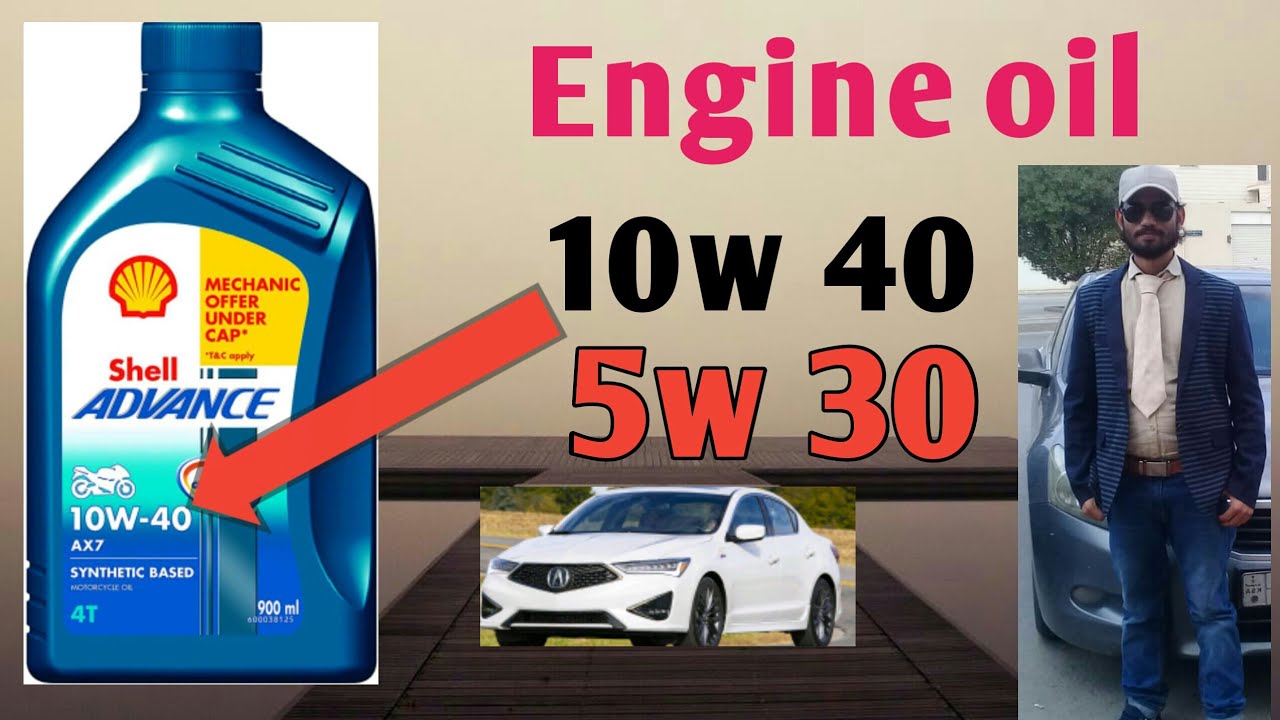
For anyone venturing beyond simply topping off their engine oil, the numbers emblazoned on those bottles – 5W-30, 10W-30, and a whole host of others – can seem like an arcane code. These numbers, however, are crucial for ensuring optimal engine performance and longevity. They represent the oil's viscosity, a measure of its resistance to flow. Understanding the difference between oils like 5W-30 and 10W-30 empowers you to make informed decisions about what's best for your specific vehicle and driving conditions.
Decoding the Viscosity Grade
The numbers themselves follow a standardized system established by the Society of Automotive Engineers (SAE). This system assigns grades based on how easily the oil flows at both cold and operating temperatures. Let's break down what each part of a viscosity grade means, using 5W-30 as our initial example:
- The First Number (5): This refers to the oil's cold-weather viscosity. The "W" stands for "Winter." A lower number indicates that the oil will flow more easily at lower temperatures. Specifically, the "5" represents the oil's resistance to thickening at 0 degrees Fahrenheit (-17.8 degrees Celsius). A 5W oil will pump and flow more readily in cold starts than a 10W oil.
- The "W": As mentioned, the "W" simply designates that the viscosity grade is applicable for winter conditions.
- The Second Number (30): This indicates the oil's viscosity at operating temperature, typically 212 degrees Fahrenheit (100 degrees Celsius). This number represents the oil's resistance to thinning when the engine is hot. A higher number means the oil will maintain a thicker film at higher temperatures, providing better protection for engine components.
Therefore, 5W-30 is a multi-grade oil designed to perform well in both cold and hot conditions. It's formulated to behave like a SAE 5 oil at low temperatures, allowing for easy starting and lubrication during cold starts, and like a SAE 30 oil at high temperatures, providing adequate protection when the engine is running.
The Key Difference: Cold-Start Performance
The primary difference between 5W-30 and 10W-30 lies in their cold-weather performance. A 5W-30 oil will flow more readily at lower temperatures compared to a 10W-30 oil. This seemingly small difference can have significant implications for engine wear and starting ease, particularly in colder climates. Let's elaborate:
Easier Cold Starts:
In freezing temperatures, oil thickens considerably. This increased viscosity makes it harder for the oil pump to circulate the lubricant to all engine components quickly. A 5W-30 oil, being thinner at cold temperatures, provides faster lubrication during those crucial first few seconds after starting the engine. This reduces wear on bearings, cylinder walls, and other vital parts.
Consider this analogy: Imagine trying to pump honey through a straw on a warm day versus a freezing day. The warm honey (5W) flows much easier than the cold, thick honey (10W).
Reduced Engine Wear:
The majority of engine wear occurs during cold starts. Insufficient lubrication during this period causes metal-to-metal contact, leading to premature wear and tear. A 5W-30 oil's superior cold-flow properties minimize this wear by ensuring quicker and more complete lubrication.
Fuel Efficiency:
While the impact may be subtle, a 5W-30 oil can contribute to slightly better fuel efficiency in colder climates. Because it flows more easily, the engine expends less energy to pump the oil, resulting in a small improvement in fuel economy. This effect is more noticeable in areas with prolonged periods of sub-freezing temperatures.
When to Use 5W-30 vs. 10W-30
The choice between 5W-30 and 10W-30 depends primarily on your vehicle manufacturer's recommendations and the climate in which you operate the vehicle.
Consult Your Owner's Manual:
The most important factor is to consult your vehicle's owner's manual. The manufacturer has carefully tested and determined the optimal oil viscosity for your engine, taking into account its design and operating characteristics. Adhering to the recommended oil viscosity ensures optimal performance and protects your engine from damage.
Consider the Climate:
If you live in an area with consistently cold winters (temperatures regularly below freezing), 5W-30 is generally the better choice. Its superior cold-flow properties will ensure adequate lubrication during cold starts and minimize engine wear. In warmer climates, where temperatures rarely drop below freezing, 10W-30 may be sufficient. However, even in warmer climates, 5W-30 often provides slightly better protection, especially during brief cold snaps.
Older Vehicles:
In older vehicles with higher mileage, some mechanics recommend using a slightly higher viscosity oil, such as 10W-30, even if the owner's manual specifies 5W-30. This is because older engines often have increased clearances between moving parts due to wear. A slightly thicker oil can help maintain adequate oil pressure and provide better sealing in these worn engines. However, it's crucial to avoid using an oil that is significantly thicker than recommended, as this can hinder oil flow and lead to other problems.
Synthetic vs. Conventional Oils
The choice between 5W-30 and 10W-30 is independent of whether you choose a synthetic or conventional oil. Both types of oil are available in various viscosity grades. Synthetic oils generally offer superior performance characteristics, including better cold-flow properties, higher resistance to oxidation and thermal breakdown, and improved engine protection. Therefore, a synthetic 5W-30 oil will typically outperform a conventional 5W-30 oil, particularly in cold temperatures.
Misconceptions and Important Considerations
There are some common misconceptions about oil viscosity that are worth addressing:
- Higher Number = Better Protection: While a higher number in the second part of the viscosity grade (e.g., 30 in 5W-30) does indicate better protection at high temperatures, it doesn't necessarily mean that a higher number is always better. Using an oil that is too thick for your engine can hinder oil flow, reduce fuel efficiency, and even damage engine components.
- Switching Viscosity Grades Will Solve Engine Problems: While using a slightly different viscosity grade may temporarily alleviate some symptoms of engine wear, it's not a long-term solution. Addressing the underlying cause of the problem is always the best course of action.
- Any Oil is Fine: Using the incorrect oil viscosity can have serious consequences for your engine. Always consult your owner's manual and choose an oil that meets the manufacturer's specifications.
In conclusion, the difference between 5W-30 and 10W-30 boils down to cold-start performance. 5W-30 provides superior lubrication during cold starts, making it a better choice for colder climates. However, always prioritize your vehicle manufacturer's recommendations and consider the specific needs of your engine and driving conditions. Choosing the right oil is an investment in the long-term health and performance of your vehicle.