
Where Should My Oil Level Be On My Dipstick
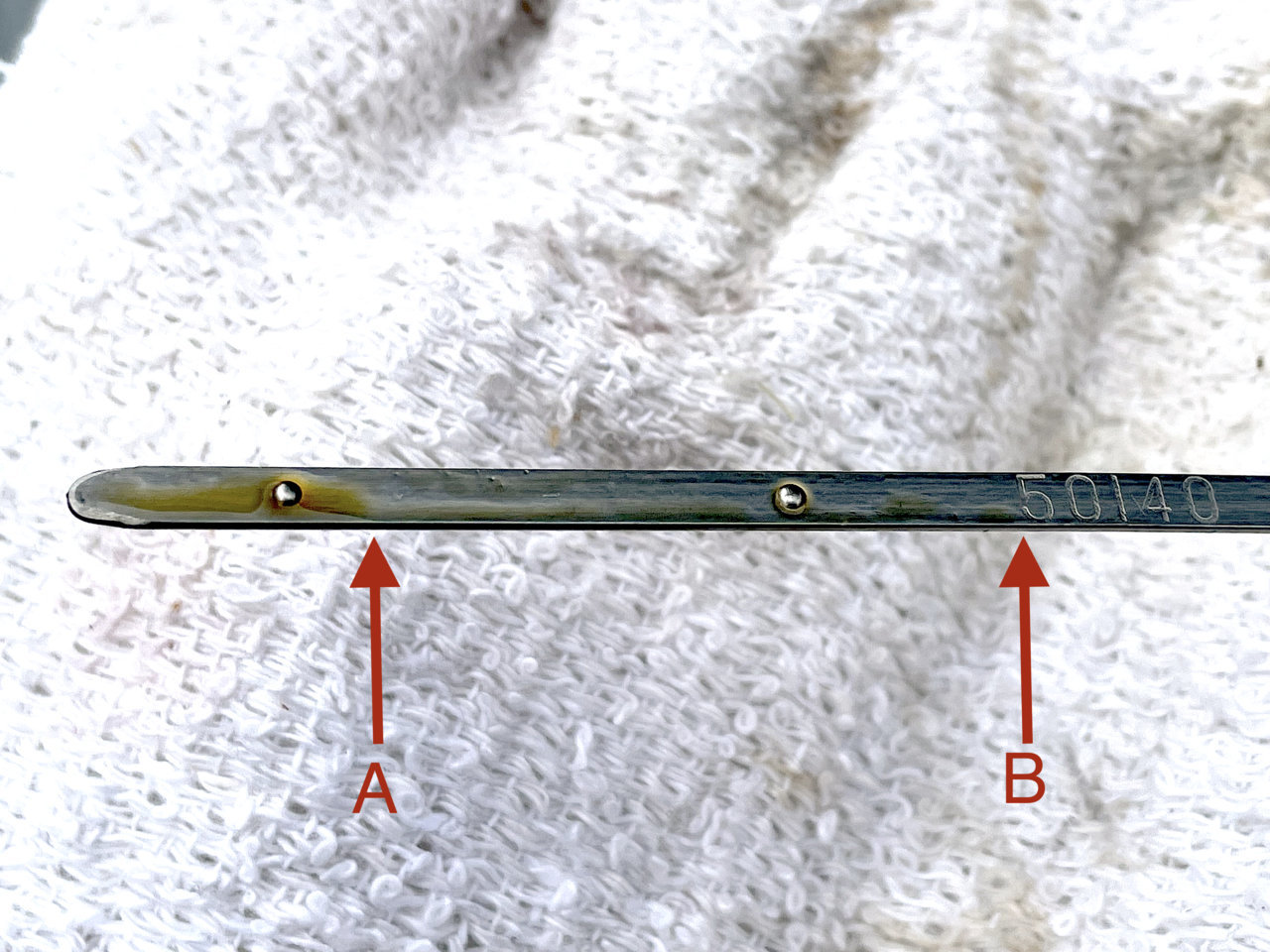
Understanding your car's oil level is crucial for maintaining its health and longevity. One of the easiest and most important maintenance tasks you can perform yourself is checking the oil using the dipstick. But where exactly should your oil level be on the dipstick? This guide will provide you with a clear understanding of how to read your dipstick accurately and what those markings actually mean.
Why Checking Your Oil Level Is Important
Before diving into the specifics of the dipstick, let's quickly discuss why checking your oil level is so critical. Engine oil serves several vital functions, including:
- Lubrication: Reducing friction between moving engine parts.
- Cooling: Dissipating heat generated by the engine.
- Cleaning: Removing dirt, debris, and contaminants.
- Sealing: Helping to seal the piston rings against the cylinder walls.
- Protection: Protecting engine components from corrosion.
When your oil level is too low, these functions are compromised. This can lead to increased friction, overheating, premature wear, and potentially catastrophic engine damage. Conversely, overfilling your engine with oil can also be problematic, leading to issues like oil leaks, foaming, and reduced engine efficiency. Regularly checking your oil level ensures that your engine has the correct amount of lubrication to operate efficiently and reliably.
Locating and Preparing to Check Your Dipstick
The first step is finding your car's dipstick. It's usually a brightly colored loop or handle (often yellow or orange) located under the hood. Consult your owner's manual if you're unsure of its exact location. Once you've found it, here's how to prepare for the check:
- Park on a Level Surface: This ensures an accurate oil level reading.
- Let the Engine Cool: Ideally, wait 5-10 minutes after the engine has been running. This allows the oil to drain back into the oil pan. Checking a cold engine is even better, as all the oil will have settled.
- Gather Supplies: You'll need a clean rag or paper towel to wipe the dipstick.
Reading the Dipstick: Understanding the Markings
Now for the crucial part: reading the dipstick. Most dipsticks have two markings to indicate the acceptable oil level range. These markings can vary slightly depending on the make and model of your vehicle, but they generally consist of:
- Minimum (Min) or Low Mark: This indicates the lowest acceptable oil level. Operating below this level puts your engine at risk.
- Maximum (Max) or High Mark: This indicates the highest acceptable oil level. Overfilling beyond this mark can also cause problems.
- The Area Between the Marks: This area represents the safe and optimal oil level range for your engine.
Some dipsticks may also have additional markings, such as:
- Cross-hatched area: Similar to the area between the min and max marks, this indicates the acceptable range.
- "Add" Mark: This may be a separate mark near the "Min" mark, indicating that you need to add oil soon.
To read the dipstick:
- Pull the Dipstick: Carefully pull the dipstick all the way out of its tube.
- Wipe the Dipstick Clean: Use your clean rag or paper towel to thoroughly wipe the dipstick. This removes the initial oil reading, allowing for an accurate measurement.
- Reinsert the Dipstick: Push the dipstick all the way back into its tube until it's fully seated.
- Pull the Dipstick Again: Slowly pull the dipstick out again and hold it horizontally.
- Observe the Oil Level: Look closely at the dipstick to see where the oil line falls. The oil should be somewhere between the "Min" and "Max" marks, or within the cross-hatched area.
It's essential to hold the dipstick horizontally to get an accurate reading, as tilting it can skew the oil line and lead to a misinterpretation. If the oil level is difficult to see, try rotating the dipstick slightly under a good light source.
What to Do If Your Oil Level Is Too Low
If the oil level is below the "Min" or "Low" mark, you need to add oil. Here's how:
- Determine the Correct Oil Type: Consult your owner's manual to find the recommended oil type (e.g., 5W-30, 10W-40). Using the wrong oil can damage your engine.
- Locate the Oil Fill Cap: This is usually marked with an oil can symbol and is located on top of the engine.
- Remove the Oil Fill Cap: Unscrew and remove the oil fill cap.
- Add Oil Gradually: Pour oil into the fill opening using a funnel. Add oil in small increments (e.g., half a quart) to avoid overfilling.
- Recheck the Oil Level: After adding oil, wait a few minutes, then recheck the dipstick to ensure the oil level is within the acceptable range.
- Repeat as Necessary: Continue adding oil in small increments and rechecking the level until it's within the "Min" and "Max" marks.
- Replace the Oil Fill Cap: Once the oil level is correct, replace the oil fill cap and tighten it securely.
Important: Avoid overfilling the engine with oil. If you accidentally add too much, you may need to drain some out. If you're unsure how to do this, consult a professional mechanic.
What to Do If Your Oil Level Is Too High
An overfilled engine can be just as damaging as one with low oil. If you find that the oil level is above the "Max" or "High" mark, you'll need to remove some oil. This is best done by a professional, as it involves draining oil from the oil drain plug. Driving with an overfilled engine can lead to:
- Foaming of the oil, reducing its lubricating properties.
- Oil leaks due to increased pressure.
- Damage to the catalytic converter.
- Reduced engine efficiency.
If you suspect your engine is overfilled, it's best to consult a mechanic immediately.
Checking Your Oil Regularly
A good rule of thumb is to check your oil level at least once a month, or more frequently if you notice any warning signs, such as:
- The oil pressure light illuminating on your dashboard.
- Unusual engine noises.
- Visible oil leaks.
- Excessive exhaust smoke.
Regular oil checks can help you identify potential problems early on, preventing costly repairs down the road. By understanding how to read your dipstick and maintain the correct oil level, you can significantly extend the life of your engine and ensure its optimal performance. Remember to always consult your vehicle's owner's manual for specific recommendations regarding oil type and maintenance schedules. Proper engine lubrication is key to a long-lasting and healthy vehicle.
Disclaimer: This article is for informational purposes only and should not be considered a substitute for professional automotive advice. Always consult your vehicle's owner's manual or a qualified mechanic for specific instructions and recommendations.