
Where To Get Tire Pressure Checked Near Me
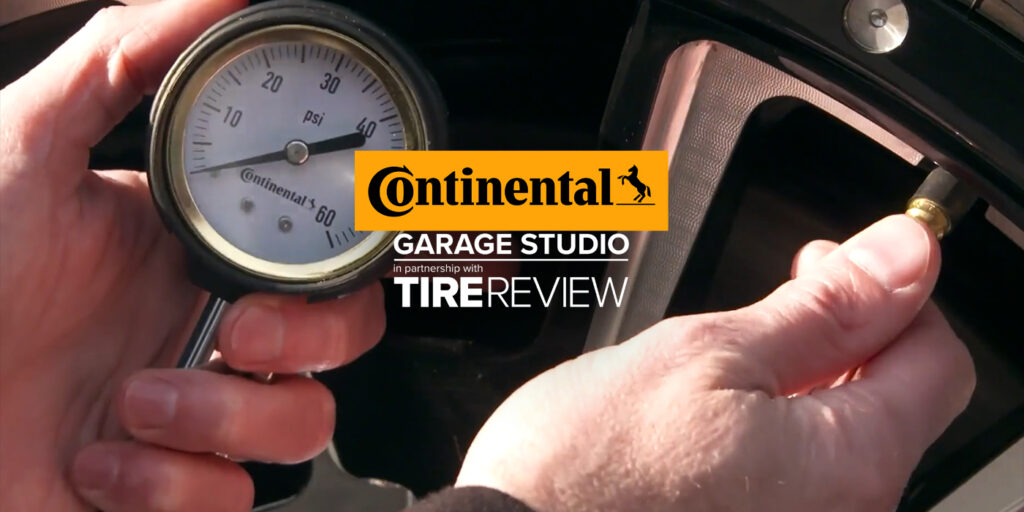
Maintaining proper tire pressure is crucial for your vehicle's safety, fuel efficiency, and tire longevity. Driving with under- or over-inflated tires can lead to a host of problems. But how do you know when your tires need air, and where can you get your tire pressure checked? This article will guide you through the symptoms, causes, fixes, and places to get your tires checked, keeping you safe and informed on the road.
Why Tire Pressure Matters
Proper tire inflation isn't just about a smooth ride; it's a vital safety concern. Under-inflated tires increase rolling resistance, leading to higher fuel consumption and premature tire wear, especially on the tire's shoulders. They also make the tire more susceptible to overheating, increasing the risk of a blowout. Conversely, over-inflated tires reduce the contact patch between the tire and the road, decreasing traction and making the ride harsh. Overinflation also increases the risk of damage from road hazards.
Common Symptoms of Incorrect Tire Pressure
Recognizing the signs of improper tire pressure is the first step in addressing the problem. Here are some telltale symptoms:
- Noticeable Sagging: Visually inspect your tires. Do they look deflated or bulging? This is a clear sign of under-inflation.
- Uneven Tire Wear: Check your tire tread. If the edges are more worn than the center, your tires are likely under-inflated. If the center is more worn, they're likely over-inflated.
- Poor Handling: Does your car feel sluggish or unstable when cornering? Under-inflated tires can significantly impact handling.
- Increased Fuel Consumption: If you find yourself filling up more often than usual, low tire pressure could be the culprit.
- Tire Pressure Monitoring System (TPMS) Warning Light: Most modern vehicles, like a Toyota Camry or a Honda Civic, have a TPMS that alerts you when your tire pressure is outside the recommended range. Don't ignore this light!
Causes of Tire Pressure Loss
Tire pressure naturally decreases over time due to a process called permeation – air slowly escaping through the tire's rubber. Temperature fluctuations also play a significant role. For every 10-degree Fahrenheit drop in temperature, tire pressure decreases by approximately 1 PSI. Other causes include:
- Punctures: Nails, screws, or other sharp objects can cause slow leaks.
- Valve Stem Leaks: The valve stem can become damaged or corroded, leading to air loss.
- Rim Leaks: If the tire isn't properly seated on the rim, air can escape.
Troubleshooting and Solutions
If you suspect incorrect tire pressure, here's how to troubleshoot and fix the problem:
- Check Your Tire Pressure: Use a reliable tire pressure gauge. Digital gauges are generally more accurate than stick gauges.
- Find the Recommended Tire Pressure: Look for a sticker on the driver's side doorjamb or in your owner's manual. This sticker specifies the recommended cold tire pressure (pressure when the tires are cold, meaning they haven't been driven on recently). For example, a Ford F-150 might recommend 35 PSI, while a Nissan Altima might recommend 32 PSI.
- Inflate or Deflate Your Tires: Add air using an air compressor at a gas station or your home. If your tires are over-inflated, use the valve stem to release some air.
- Inspect for Leaks: If you notice a tire losing pressure rapidly, inspect it for punctures or damage. You can also spray soapy water on the tire and valve stem to look for bubbles, which indicate a leak.
Where to Get Your Tire Pressure Checked Near You
Fortunately, getting your tire pressure checked is usually easy and affordable, or even free! Here are several options:
- Gas Stations: Most gas stations have air compressors available for a small fee. Some offer free air with a gas purchase.
- Auto Parts Stores: Stores like AutoZone, Advance Auto Parts, and O'Reilly Auto Parts often offer free tire pressure checks. They may also have air compressors available for customer use.
- Tire Shops: Tire shops like Discount Tire and Firestone typically offer free tire pressure checks and inflation services. They can also inspect your tires for damage and recommend repairs or replacements if needed.
- Mechanics: Your local mechanic will almost certainly check your tire pressure as part of a regular service, and many will do it for free as a courtesy.
- Home Air Compressor: Investing in a portable air compressor for your home garage is a convenient way to maintain your tire pressure.
Real-World Examples
Example 1: Sarah notices her Honda CR-V feels sluggish and the TPMS light is on. She checks her tire pressure and finds the front tires are at 25 PSI, while the recommended pressure is 33 PSI. She goes to a local gas station, adds air to the tires, and the TPMS light turns off.
Example 2: John, a mechanic, notices a slow leak in a customer's Chevrolet Silverado tire during a routine oil change. He identifies a small nail embedded in the tire. He patches the tire and re-inflates it to the recommended pressure.
Example 3: Emily notices her Subaru Outback tires are wearing unevenly, with the edges more worn than the center. She checks the tire pressure and finds they are consistently low, around 28 PSI instead of the recommended 35 PSI. She increases the tire pressure, and monitors them to see if they maintain pressure over time. She also schedules an alignment to address the uneven wear.
Keeping Your Car in Top Condition
Maintaining proper tire pressure is just one aspect of car care. Here are some other tips for keeping your vehicle in top condition:
- Regular Maintenance: Follow the recommended maintenance schedule in your owner's manual for oil changes, filter replacements, and other services.
- Tire Rotation: Rotate your tires every 6,000-8,000 miles to ensure even wear.
- Wheel Alignment: Get your wheels aligned periodically to prevent uneven tire wear and improve handling.
- Brake Inspections: Have your brakes inspected regularly to ensure they are functioning properly.
- Fluid Checks: Check your engine oil, coolant, brake fluid, and power steering fluid levels regularly.
- Address Issues Promptly: Don't ignore warning lights or unusual noises. Address any issues promptly to prevent them from escalating into more serious problems.
By being proactive about tire pressure and overall car maintenance, you can ensure your vehicle is safe, efficient, and reliable for years to come. Regular checks and preventative measures will save you money and keep you safe on the road.