
Why Is My Car Burning Oil Fast With No Leak
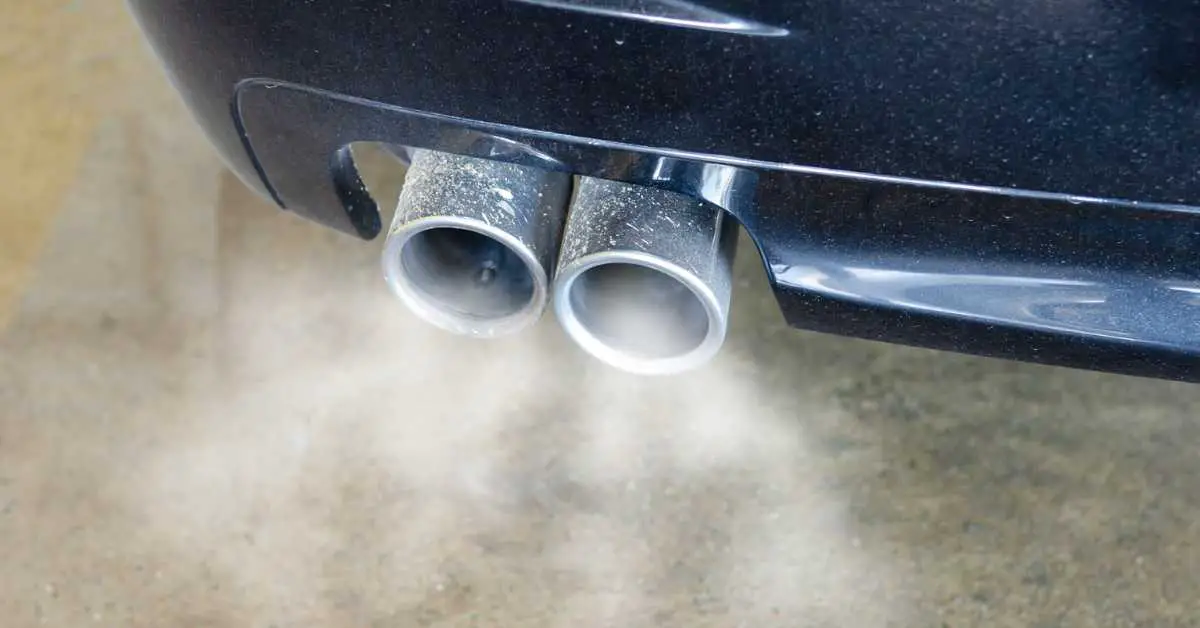
The sinking feeling of realizing your car is guzzling oil faster than usual, coupled with the absence of any visible leaks, can be deeply unsettling. It suggests a problem lurking within the engine itself, and understanding the potential causes is crucial for diagnosis and repair. This article will delve into the common culprits behind rapid oil consumption without external leaks, focusing on the underlying mechanics and potential solutions.
Internal Oil Consumption: The Silent Thief
When oil disappears without a trace on your driveway, it means it's being burned inside the engine. This can happen in several ways, all relating to the gradual degradation or failure of components designed to keep oil contained within its intended circuits.
Worn or Damaged Piston Rings
Piston rings are arguably the most frequent offenders in cases of internal oil consumption. Located within grooves on the piston, these rings perform several vital functions:
- Sealing the Combustion Chamber: They prevent combustion gases from leaking past the piston and into the crankcase (a phenomenon known as "blow-by").
- Wiping Oil from Cylinder Walls: The oil control ring, in particular, scrapes excess oil off the cylinder walls as the piston moves down. This prevents excessive oil from being burned during combustion.
- Heat Transfer: They help transfer heat from the piston to the cylinder walls, aiding in cooling.
Over time, piston rings can wear down due to friction, heat, and the abrasive effects of contaminants in the oil. Carbon deposits can also build up in the ring grooves, hindering their ability to seal properly. When this happens, oil can be drawn past the rings and into the combustion chamber, where it is burned along with the air-fuel mixture. The result? Blue-ish smoke from the exhaust pipe (especially noticeable upon startup or acceleration), a drop in oil level, and potentially fouled spark plugs.
The severity of oil consumption due to worn rings can vary significantly. Minor wear might result in a slight increase in oil usage, while significant wear can lead to the engine burning a quart or more of oil every few hundred miles. Diagnosis typically involves a compression test and a leak-down test. A compression test measures the pressure within each cylinder, while a leak-down test introduces compressed air into the cylinder and measures how quickly it leaks out. Low compression or excessive leakage often points to worn rings.
Important Note: Using the wrong type or viscosity of oil can exacerbate piston ring wear. Always adhere to the manufacturer's recommended oil specifications.
Valve Stem Seals: Leaks from Above
Valve stem seals are small, rubber or silicone seals that sit atop the valve guides, preventing oil from leaking down the valve stems and into the combustion chamber. Each valve (both intake and exhaust) has its own seal. These seals are constantly exposed to heat and oil, and over time, they can become brittle, cracked, or hardened. When this happens, oil can seep past the seals and enter the combustion chamber, leading to oil consumption.
Unlike worn piston rings, valve stem seal leaks are often more pronounced when the engine is idling or decelerating. This is because the vacuum created in the intake manifold during these conditions can draw oil past the weakened seals. Symptoms can include a puff of blue smoke upon startup (especially after the car has been sitting for a while) or during deceleration. Identifying bad valve stem seals can be tricky without removing the cylinder head, but a mechanic can often use a boroscope (a small camera) to inspect the seals.
PCV Valve Failure: Pressurized Problems
The Positive Crankcase Ventilation (PCV) valve is a critical component of the engine's emissions control system. Its primary function is to vent crankcase gases (which contain unburned fuel, water vapor, and oil mist) back into the intake manifold to be burned. Without a PCV system, these gases would build up pressure in the crankcase, leading to leaks and potential engine damage. A malfunctioning PCV valve can contribute to oil consumption in several ways:
- Increased Crankcase Pressure: A stuck-closed PCV valve can cause excessive pressure buildup in the crankcase. This pressure can force oil past seals and gaskets, increasing the likelihood of internal leaks.
- Excessive Vacuum: A PCV valve that is stuck open can create excessive vacuum in the crankcase. This vacuum can draw oil past piston rings and valve stem seals, increasing oil consumption.
Fortunately, the PCV valve is relatively inexpensive and easy to replace. Symptoms of a bad PCV valve can include rough idling, poor fuel economy, and an increase in oil consumption. Inspecting the PCV valve and hoses for clogs or damage is a good first step in diagnosing oil consumption issues.
Turbocharger Issues: Oil to the Turbine
If your vehicle is equipped with a turbocharger, a failing turbo can also be a source of oil consumption. Turbochargers rely on oil for lubrication and cooling. Worn or damaged turbo seals can allow oil to leak into the intake or exhaust system, where it is burned. Symptoms can include blue or white smoke from the exhaust, a loss of power, and a whining noise from the turbocharger.
Diagnosing a turbocharger leak typically involves inspecting the turbocharger for oil residue and checking the intake and exhaust systems for signs of oil contamination. A boost leak test can also help identify problems with the turbocharger's seals or hoses.
Cylinder Head Gasket: A Less Likely Culprit
While less common in cases of *only* oil consumption (without other symptoms), a leaking cylinder head gasket could contribute if it allows oil to pass from the oil passages in the head into the cylinders directly. However, a head gasket leak usually presents with other telltale signs such as coolant loss, overheating, white smoke from the exhaust (indicating coolant burning), and milky oil (indicating coolant mixing with oil).
Preventative Measures
While some internal oil consumption is inevitable as an engine ages, there are several steps you can take to minimize the risk:
- Regular Oil Changes: Changing your oil and filter at the recommended intervals is crucial for maintaining engine health and preventing wear.
- Use High-Quality Oil: Using a high-quality oil that meets the manufacturer's specifications can provide better lubrication and protection for engine components.
- Address Overheating Issues Promptly: Overheating can damage engine components and accelerate wear.
- Avoid Harsh Driving: Aggressive driving habits, such as frequent hard acceleration and braking, can put extra stress on the engine and increase wear.
In conclusion, unexplained oil consumption without external leaks usually points to internal engine issues. While diagnosing the exact cause can require some investigation, understanding the function and potential failure modes of piston rings, valve stem seals, PCV valves, and turbochargers is a valuable starting point. Addressing the problem promptly can help prevent further damage and extend the life of your engine.