
With Synthetic Oil How Long Between Changes
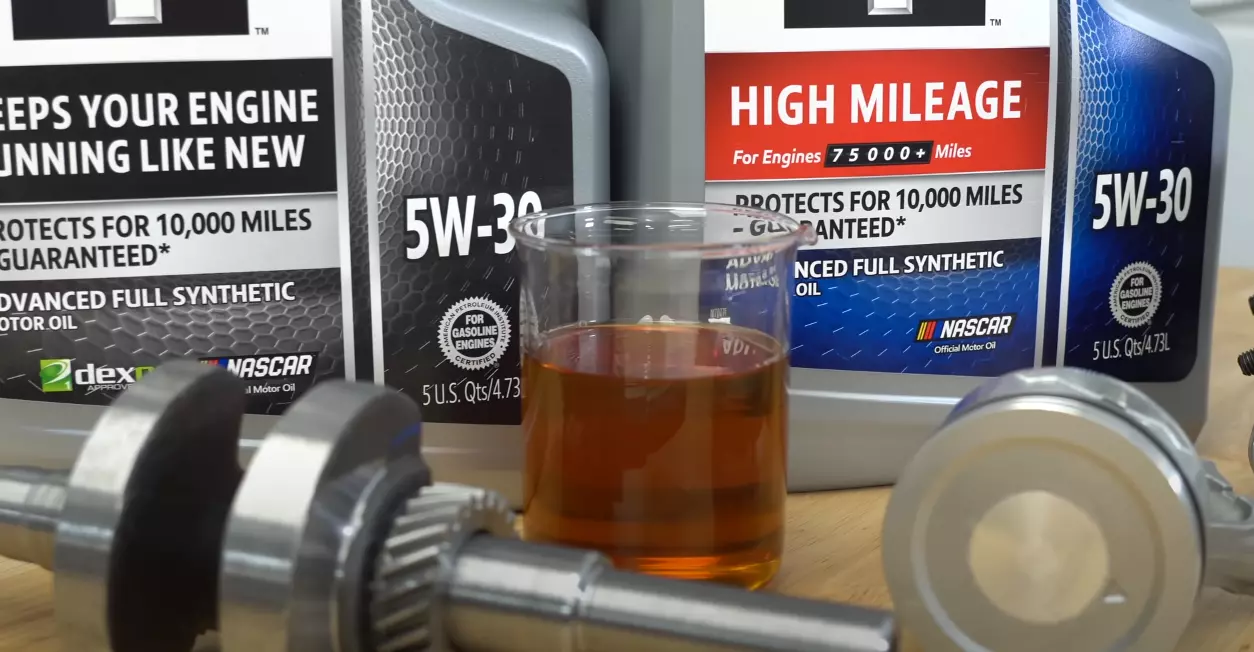
So, you've switched to synthetic oil? Great choice! It's a fantastic upgrade for your engine, offering better protection and potentially extending the life of your vehicle. But one of the most common questions I get from customers is: "Okay, I have synthetic now, so how long can I really go between oil changes?" That's a smart question, and the answer, unfortunately, isn't always a simple number.
The Myth of the Extended Synthetic Interval
There's a pervasive myth out there that synthetic oil automatically allows you to drive, say, 15,000 or even 20,000 miles between changes. While synthetic oil is more robust and handles heat and stress better than conventional oil, simply doubling or tripling your oil change interval isn't always a good idea. Let's break down why.
Synthetic oil is designed to last longer and withstand higher temperatures without breaking down as quickly as conventional oil. However, it's crucial to remember that the oil itself isn't the only thing that degrades. The oil filter, for example, can become clogged with contaminants over time, reducing its effectiveness. Also, other factors play a role. The amount of combustion by-products (soot, fuel dilution, etc.) entering the oil varies with driving habits and engine condition, impacting the oil's suitability for continued use.
Factors Affecting Your Synthetic Oil Change Interval
The ideal oil change interval for your vehicle using synthetic oil depends on several key factors:
1. Your Driving Habits
How you drive significantly impacts your oil. Are you a highway cruiser or a stop-and-go city driver? Do you frequently tow heavy loads or drive in extreme temperatures? These are all factors that put extra stress on your engine and oil.
Severe Driving Conditions: If you regularly engage in activities like frequent short trips (under 5 miles), stop-and-go traffic, towing, off-roading, or driving in extreme hot or cold weather, you're operating under "severe driving conditions." This means you'll need to change your oil more frequently than someone who primarily drives on the highway.
For severe driving, even with synthetic oil, sticking closer to the manufacturer's severe service recommendation (often around 5,000 miles) is a prudent choice. I know it seems like overkill with synthetic, but it protects your engine in the long run.
2. Your Vehicle Manufacturer's Recommendations
Always, always check your owner's manual! Your vehicle manufacturer has specific recommendations for oil change intervals, even when using synthetic oil. These recommendations are based on the design of your engine and the types of oil filters and other components used. Following their guidance is the safest bet.
Some newer vehicles have sophisticated oil life monitoring systems that analyze driving conditions and estimate the remaining oil life. These systems are generally quite accurate and can help you determine when to change your oil. Pay attention to these indicators!
3. The Quality of Your Oil and Filter
Not all synthetic oils are created equal. Higher-quality synthetic oils will generally last longer and provide better protection than cheaper alternatives. Similarly, using a high-quality oil filter is essential for removing contaminants from the oil. I always recommend using a filter specifically designed for synthetic oil, as these often have better filtration capabilities and longer service lives.
Stick with reputable brands and look for oils that meet or exceed the manufacturer's specifications for your vehicle. Check the oil's API (American Petroleum Institute) rating on the bottle to ensure it's suitable for your engine.
4. The Age and Condition of Your Engine
An older engine with higher mileage may experience increased oil consumption and contamination. Worn seals and gaskets can allow oil to leak or burn, reducing the oil level. Blow-by past the piston rings can increase contamination of the oil with combustion byproducts. In these cases, you may need to change your oil more frequently, even with synthetic oil.
If you notice your engine is consuming a significant amount of oil between changes, or if you're experiencing other engine problems, it's best to consult a mechanic to diagnose the issue.
Practical Advice and Tools
Okay, so what's the practical takeaway? Here's my advice:
* Start with your owner's manual. Follow the manufacturer's recommendations for oil change intervals, especially if your vehicle is still under warranty. * Consider your driving habits. If you drive under severe conditions, shorten your oil change interval. * Use a high-quality synthetic oil and filter. Don't skimp on quality! * Monitor your oil level regularly. Check your oil level at least once a month and top it off as needed. * Consider an oil analysis. For a more precise assessment of your oil's condition, you can send a sample of your oil to a lab for analysis. This can help you determine the optimal oil change interval for your specific vehicle and driving conditions. * Err on the side of caution. When in doubt, it's always better to change your oil too soon than too late.If you're planning on changing your oil yourself, you'll need a few basic tools:
* Wrench for the oil drain plug: Make sure you have the correct size wrench. * Oil filter wrench: Different types of filters require different wrenches. * Oil drain pan: A large pan to catch the old oil. * Funnel: To pour the new oil into the engine. * Rags or paper towels: For cleaning up spills. * Gloves: To protect your hands. * Jack and jack stands (optional): To raise the vehicle for easier access to the drain plug. Always use jack stands for safety!Cost Considerations
The cost of an oil change with synthetic oil will vary depending on the brand of oil, the type of filter, and whether you do it yourself or take it to a shop.
* DIY: Expect to pay between $40 and $70 for the oil and filter. * Professional Oil Change: A synthetic oil change at a shop typically costs between $80 and $150.While synthetic oil changes are more expensive upfront, the potential for longer intervals can save you money in the long run. More importantly, they offer superior engine protection, which can prevent costly repairs down the road.
Final Thoughts
Switching to synthetic oil is a smart move for your engine's longevity and performance. However, don't fall into the trap of thinking you can drive indefinitely between oil changes. By understanding the factors that affect your oil's lifespan and following the recommendations outlined above, you can ensure your engine stays properly lubricated and protected for years to come. When in doubt, consult with a trusted mechanic. We're here to help you make the best decisions for your vehicle!