
1st Gen 4runner Long Travel Kit
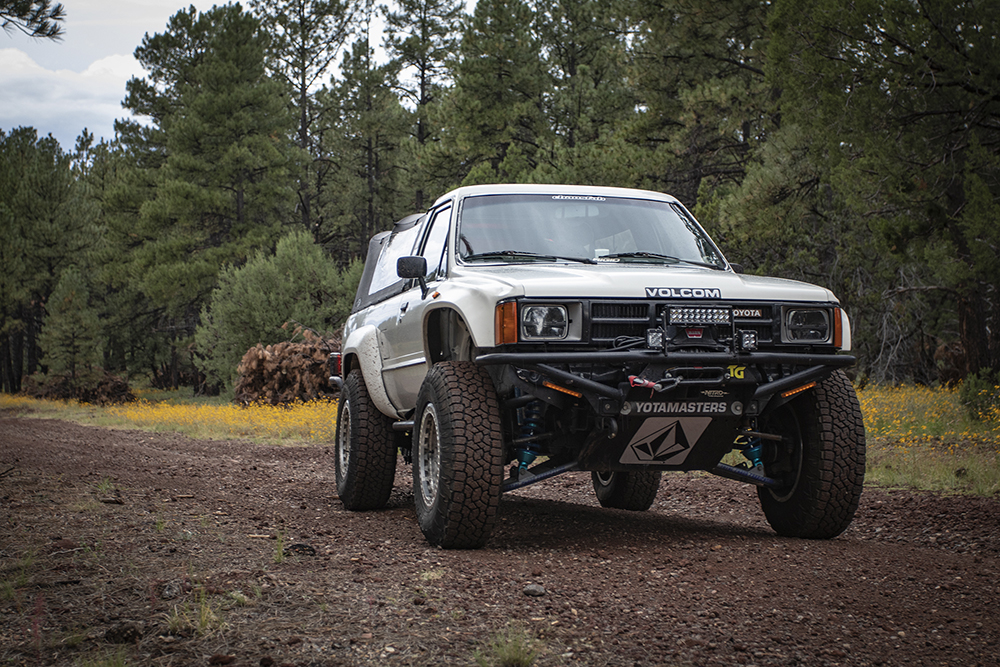
Alright folks, let's talk about something near and dear to the hearts of many off-road enthusiasts: long travel kits for your first-generation (1984-1989) Toyota 4Runner. These kits can dramatically improve your 4Runner's off-road performance, but they're not always a straightforward upgrade. We’re seeing an increasing number of owners running into similar snags, so let’s troubleshoot some of the most common problems you might encounter during the installation and operation of a long travel kit, and, more importantly, how to fix them.
Problem 1: Binding or Limited Suspension Travel
This is arguably the most frequent issue we see. You shell out the money for a shiny new long travel kit, bolt it on (or pay someone to), and then discover your suspension isn't actually moving as much as you expected. There are several culprits here:
Solution 1: Incorrect Installation
This is the low-hanging fruit. Double-check every single bolt, nut, and fastener against the manufacturer's instructions. Specifically, look for these common mistakes:
- Incorrect Bolt Torque: Over-tightening can bind components, while under-tightening can lead to movement and eventually, failure. Use a torque wrench and follow the manufacturer's torque specs meticulously. A good set of torque wrenches is crucial; a 1/2" drive for the big stuff and a 3/8" drive for the more delicate components will be helpful.
- Misalignment: Ensure that your upper and lower control arms are properly aligned before tightening everything down. Sometimes, it helps to loosely assemble the components and then use a floor jack to simulate suspension compression and ensure everything moves freely.
- Improper Bushing Orientation: Bushings are designed to flex in a specific direction. Ensure they are installed correctly. Most of the time there will be instructions that dictate how far the inner sleeve should be pressed into the bushing, or if the bushing has a specific orientation to the control arm.
Practical Tip: Take pictures during disassembly of your original suspension. This can be a lifesaver when you're trying to remember where a particular washer or bolt goes. Also, it is crucial to have a Factory Service Manual for your 4Runner. This will guide you through the proper procedures and torque specifications. Expect to spend several hours re-checking your work. A mistake at this stage can cause significant issues down the road.
Solution 2: Clearance Issues
Long travel kits often require modifications to the vehicle to achieve their full potential. The most common issue is tire rubbing against the frame, body, or wheel wells, particularly during full compression and turning. Additionally, brake lines, ABS wires and other lines need to be checked.
- Tire Size: Are your tires too big for the kit? The manufacturer will specify the maximum tire size that can be used without rubbing.
- Wheel Offset: The offset of your wheels can dramatically affect tire clearance. A wheel with too little backspacing can cause the tire to rub on the frame or suspension components.
- Fender Trimming: This is often a necessary evil. Be prepared to trim your fenders to provide adequate clearance. Use masking tape to mark your cut lines, and use a cut-off wheel or reciprocating saw for a clean cut. Don't forget to deburr the edges and apply touch-up paint to prevent rust.
- Wheel Well Modifications: In extreme cases, you may need to massage (hammer) or completely remove parts of the wheel wells.
- Limit Straps: These prevent the suspension from over-extending, which can damage your shocks or CV axles. Ensure that your limit straps are properly adjusted to prevent binding at full droop.
Practical Tip: Before driving the vehicle after installing the kit, fully compress the suspension (using a jack or by carefully driving over obstacles) to check for rubbing. Have a friend observe the areas where rubbing is likely to occur. Consider purchasing bump stops that are correctly sized for your vehicle to prevent damage. If you are unsure of where rubbing is occurring, apply some grease to potential rub points and then compress the suspension. The grease will leave a mark, indicating where the interference is.
Solution 3: Incorrect Shock Length or Spring Rate
Long travel kits are designed to work with specific shock lengths and spring rates. If you're using the wrong shocks or springs, you'll never achieve the advertised travel.
- Shock Length: Verify that your shocks are the correct length for the kit. Too short, and you won't be able to utilize the full travel. Too long, and you risk damaging the shocks or suspension components.
- Spring Rate: The spring rate needs to match your vehicle's weight and intended use. If the springs are too soft, the suspension will bottom out easily. If they're too stiff, the ride will be harsh and you won't achieve the desired amount of travel.
Practical Tip: Consult with the kit manufacturer or a reputable suspension specialist to determine the correct shock length and spring rate for your vehicle. Don't just guess! This is an area where proper research and expert advice can save you a lot of headaches.
Problem 2: CV Axle Issues
Increased travel puts a significant strain on your CV axles. We often see issues like premature wear, clicking noises, or even complete failure.
Solution 1: High-Angle CV Axles
Consider upgrading to high-angle CV axles designed to handle the increased articulation of a long travel suspension. These axles typically feature stronger materials, improved joints, and more flexible boots.
Practical Tip: Even with high-angle CV axles, it's important to avoid extreme angles. Adjust your driving style to minimize situations where the axles are fully extended and under load. Avoid full lock turns at high speeds in 4-wheel drive.
Solution 2: Limiting Suspension Travel
As mentioned earlier, limit straps can prevent over-extension and protect your CV axles. Adjust them so that the axles aren't at their maximum angle at full droop.
Solution 3: Regular Inspection and Maintenance
Inspect your CV axle boots regularly for tears or damage. Replace them promptly to prevent dirt and debris from entering the joints, which can lead to premature wear. Re-grease the CV joints, especially after water crossings or heavy off-road use. Use a high-quality grease specifically designed for CV joints.
Practical Tip: Pay attention to any unusual noises coming from your front end, such as clicking or popping. These could be early signs of CV axle problems. Addressing the issue early can prevent a more costly failure down the road.
Problem 3: Steering Issues
Long travel kits can affect your steering geometry, leading to bump steer (where the steering wheel jerks as the suspension moves) or a vague feeling in the steering.
Solution 1: Correct Steering Geometry
Many long travel kits include components designed to correct the steering geometry, such as extended tie rod ends or a steering rack relocation kit. Ensure that these components are properly installed and adjusted according to the manufacturer's instructions.
Solution 2: Upgraded Steering Components
Consider upgrading your steering components to handle the increased stress of a long travel suspension. This might include a heavy-duty steering rack, stronger tie rod ends, or a pitman arm designed for lifted vehicles.
Solution 3: Professional Alignment
Crucially important. After installing a long travel kit, a professional alignment is absolutely essential. Find a shop that specializes in lifted vehicles and understands the nuances of aligning a long travel suspension. They will be able to adjust the caster, camber, and toe to optimize handling and tire wear. Be prepared to spend more than a typical alignment; it's often a more involved process.
Practical Tip: Explain to the alignment technician that you have a long travel kit and what your intended use is. This will help them dial in the alignment for optimal performance.
Problem 4: Increased Wear and Tear
Let's be honest – long travel kits are demanding on your vehicle. You'll likely experience increased wear and tear on various components.
Solution 1: Regular Maintenance
Stay on top of your maintenance schedule. This includes regular oil changes, fluid checks, lubrication of suspension components, and inspections of critical parts. Pay particular attention to your ball joints, bushings, and wheel bearings.
Solution 2: High-Quality Replacement Parts
When replacing worn components, opt for high-quality parts that are designed to withstand the rigors of off-road use. Don't cheap out on critical components like ball joints or tie rod ends.
Solution 3: Realistic Expectations
Understand that a long travel 4Runner is going to require more maintenance than a stock one. Factor this into your budget and be prepared to spend time and money keeping your rig in top condition.
Approximate Repair Costs: It's tough to give exact figures, as costs vary widely depending on the severity of the issue, the quality of parts used, and whether you're doing the work yourself or hiring a professional. However, here are some ballpark figures:
- CV Axle Replacement: $200 - $500 per axle (parts and labor)
- Professional Alignment: $100 - $250
- Bushing Replacement: $50 - $200 per bushing (parts and labor)
- Steering Component Upgrade: $300 - $1000+ (depending on the component)
Installing a long travel kit is a significant undertaking, but with careful planning, proper installation, and diligent maintenance, you can transform your 1st gen 4Runner into an incredibly capable off-road machine. Remember to research your chosen kit thoroughly, consult with experienced professionals, and be prepared to address any issues that may arise. Happy trails!