
2000 Ford Explorer Neutral Safety Switch
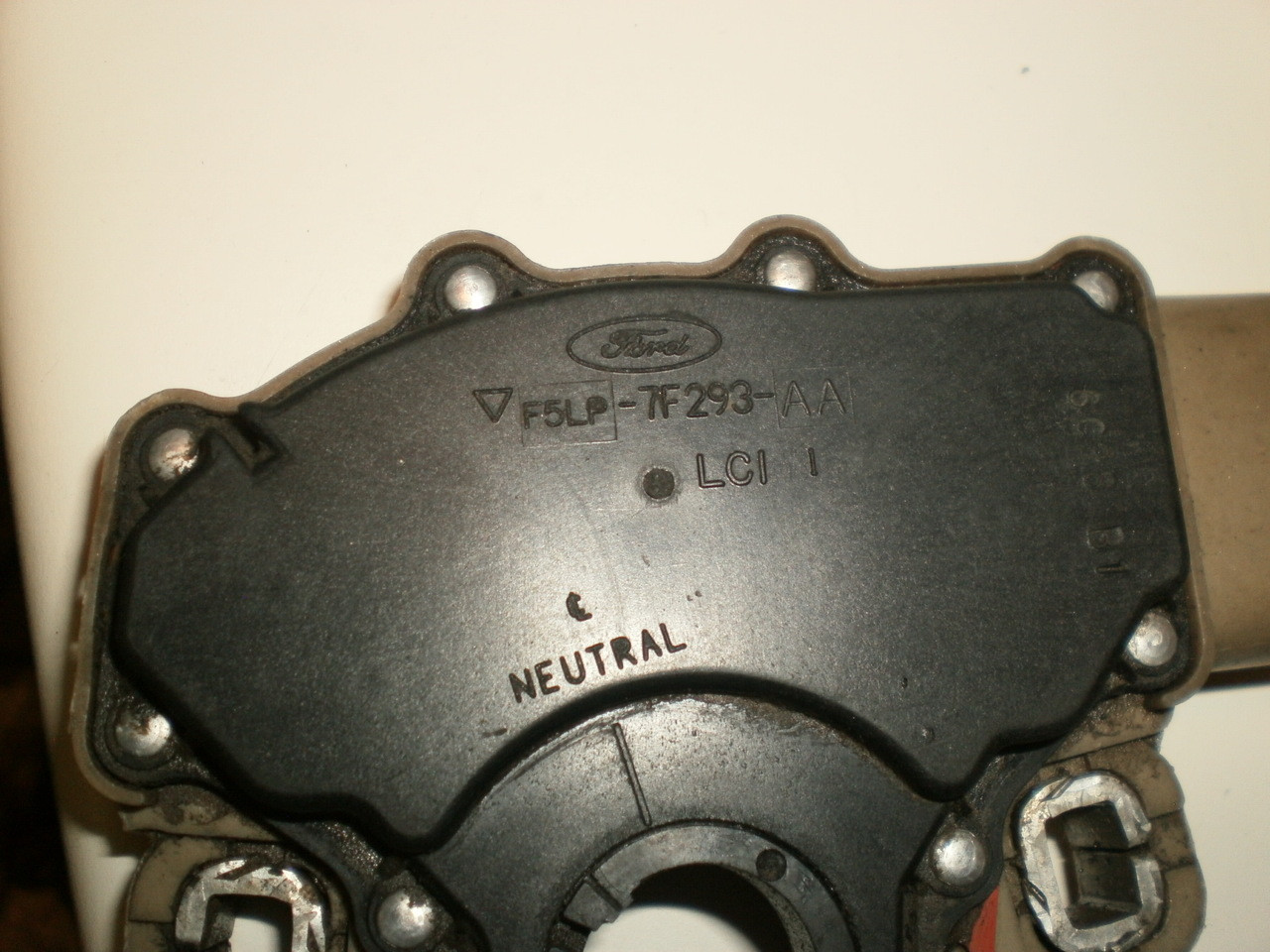
The 2000 Ford Explorer, a popular SUV of its time, employed a neutral safety switch (NSS), also known as a transmission range sensor (TRS), as a critical component of its automatic transmission system. This device served multiple essential functions, including preventing the engine from starting unless the transmission was in Park or Neutral, activating the backup lights when in Reverse, and providing transmission range information to the powertrain control module (PCM) for optimal shifting strategies. Understanding its technical aspects, engineering considerations, real-world performance, and maintenance is crucial for automotive professionals working on these vehicles.
Technical Specifications and Engineering Choices
The NSS on the 2000 Explorer typically consisted of a rotary switch assembly mounted directly on the transmission housing, usually on the driver's side where the shift linkage connected. Internally, it contained a series of contacts that closed or opened depending on the position of the shift lever. These contacts corresponded to the different gear positions: Park (P), Reverse (R), Neutral (N), Overdrive (OD), Drive (D), 2, and 1. The signal from the NSS was then fed to the PCM, allowing it to properly control the transmission's solenoid valves for gear selection and also providing the necessary signal to energize the starter relay. The materials used in construction were designed for durability and resistance to under-vehicle conditions, including exposure to temperature variations, road salt, and other contaminants. However, the location itself made it vulnerable to damage.
The engineering choice to use a rotary switch was driven by its relative simplicity, cost-effectiveness, and ability to provide discrete signals for each gear position. While more sophisticated sensors, like Hall-effect sensors, were available at the time, they were generally more expensive and required more complex wiring and processing. The rotary switch offered a robust and reliable solution for the intended application. The switch's design also included seals and protective housings to minimize the ingress of moisture and debris, crucial for maintaining proper function over its service life.
Real-World Performance and Alternatives
In real-world performance, the 2000 Explorer's NSS generally proved reliable, but it was not without its issues. Common problems included corrosion of the electrical contacts, mechanical wear of the internal components, and damage from impacts. A failing NSS could manifest in several ways: the engine not starting in Park or Neutral, intermittent starting issues, backup lights not working, incorrect gear indication on the dashboard, and even transmission shifting problems due to erroneous signals being sent to the PCM.
Alternatives to the OEM NSS existed, primarily from aftermarket manufacturers. These aftermarket options often promised improved durability or performance at a lower price point. However, the quality of aftermarket NSS units could vary considerably. Some offered comparable performance to the OEM part, while others were prone to premature failure. Choosing a reputable brand with a solid warranty was crucial when considering an aftermarket replacement.
Pros of the OEM NSS: Known reliability (when new), proper integration with the vehicle's electrical system, and guaranteed compatibility. Cons of the OEM NSS: Higher cost compared to some aftermarket options, and vulnerability to environmental factors. Pros of aftermarket NSS: Potentially lower cost, availability, and sometimes improved design features. Cons of aftermarket NSS: Variable quality, potential compatibility issues, and inconsistent warranty support.
Reliability, Maintenance, and Future Trends
The reliability of the NSS on the 2000 Explorer was generally good, but preventive maintenance could significantly extend its lifespan. Regularly inspecting the NSS for signs of corrosion, damage, or loose connections was essential. Applying dielectric grease to the electrical connectors could help prevent corrosion and ensure good electrical contact. If the NSS was exposed to water or contaminants, it should be cleaned and inspected promptly. It is also crucial to ensure that the shift linkage is properly adjusted, as excessive force on the NSS can accelerate wear.
Maintenance Tips:
- Regularly inspect the NSS for damage and corrosion.
- Apply dielectric grease to electrical connectors.
- Verify proper shift linkage adjustment.
- Address any leaks that could contaminate the NSS.
Looking to the future trends, modern vehicles are increasingly utilizing more sophisticated transmission range sensors that incorporate Hall-effect technology and other advanced sensing methods. These sensors offer greater accuracy, reliability, and diagnostic capabilities. As older vehicles like the 2000 Explorer age, it is possible that aftermarket manufacturers will develop improved NSS replacements incorporating some of these newer technologies.
Conclusion
The neutral safety switch on the 2000 Ford Explorer was a critical component that played a vital role in the vehicle's operation. While it was generally a reliable part, it was susceptible to wear and environmental factors. By understanding its technical specifications, engineering considerations, and real-world performance, automotive professionals can effectively diagnose and repair issues related to the NSS. As the automotive industry continues to evolve, expect to see advancements in transmission range sensing technology that offer even greater reliability and performance in future vehicles. The move towards electric vehicles, while eliminating traditional automatic transmissions, introduces new safety interlocks that serve similar functions, highlighting the continued importance of safety systems related to vehicle starting and operation.