
2000 Honda Crv Timing Belt Replacement
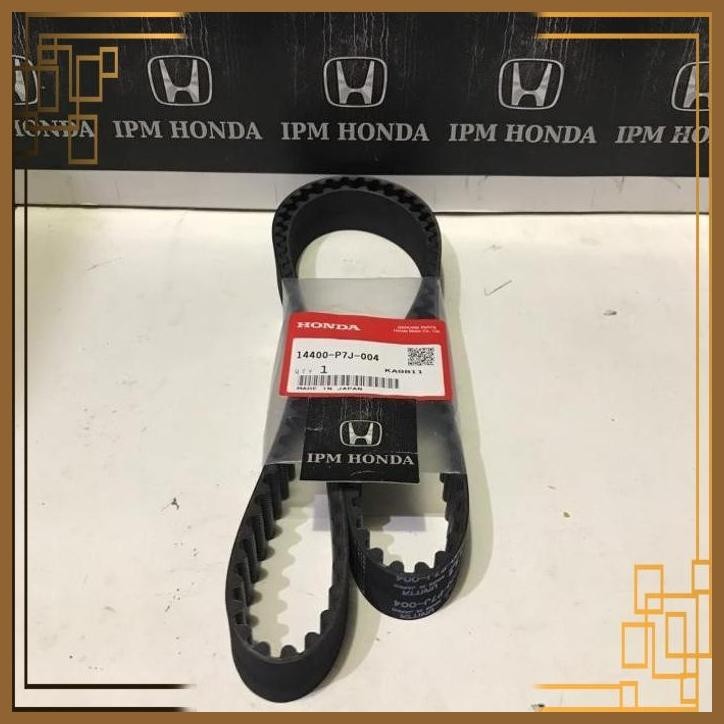
The 2000 Honda CR-V: a legend of reliability, practicality, and that oh-so-distinctive rear-mounted picnic table. But like any car approaching a quarter-century on the road, maintenance is key. And when it comes to the 2000 CR-V, one service item looms large: the timing belt replacement.
Why Bother? The Importance of the Timing Belt
Unlike some newer vehicles with timing chains (which theoretically last the life of the engine), the 2000 CR-V utilizes a rubber timing belt. This belt synchronizes the rotation of the crankshaft and camshaft(s), ensuring that the valves open and close at precisely the right moment. A snapped timing belt while the engine is running on the 2000 CR-V engine will likely result in catastrophic engine damage – bent valves, damaged pistons, and a very unhappy wallet. It's an interference engine, meaning parts are designed to occupy some of the same space at different times. If timing is off, those parts can collide. Prevention is far cheaper than the cure.
2000 CR-V Variants: One Size Fits (Almost) All
The good news for 2000 CR-V owners is that, mechanically, things are relatively simple. The US market only received one engine option: the B20B4 2.0-liter inline-four. So, whether you have a front-wheel-drive (FWD) or a Real Time 4WD model, the timing belt replacement procedure is largely the same. However, there are some minor variations.
Spec Table: B20B4 Engine Details
| Engine Code | Displacement | Horsepower | Torque | Timing Belt Interval (Recommended) |
|---|---|---|---|---|
| B20B4 | 1972cc (2.0L) | 146 hp @ 6200 rpm | 133 lb-ft @ 4500 rpm | 60,000 - 90,000 miles or 7 years (whichever comes first) |
While the engine itself is consistent, the presence of 4WD can slightly complicate access during the replacement process. More parts to remove mean a slightly longer job.
Timing Belt Replacement: DIY or Pro?
This is the big question. Replacing the timing belt on a 2000 CR-V is a moderately complex job. It requires a good set of tools, including a crankshaft pulley holding tool (a MUST-HAVE), a torque wrench, and a solid understanding of engine mechanics. The service manual is your bible here. Deviate from the procedure at your own peril!
DIY Timing Belt Replacement: Pros and Cons
- Pros:
- Significantly cheaper than paying a mechanic.
- The satisfaction of wrenching on your own car.
- A deeper understanding of your vehicle.
- Cons:
- Time-consuming. Expect to spend a full weekend.
- Requires specialized tools.
- Risk of damaging the engine if done incorrectly.
- Potentially voiding any remaining (unlikely) warranty.
Professional Timing Belt Replacement: Pros and Cons
- Pros:
- Guaranteed workmanship.
- Faster turnaround time.
- Less stress and frustration.
- Cons:
- Significantly more expensive.
- Finding a reputable mechanic is crucial.
Beyond the Belt: What Else to Replace?
While you're in there, it's strongly recommended to replace the water pump, tensioner pulley, and idler pulley. These components are driven by the timing belt and are prone to failure around the same mileage interval. Replacing them proactively saves you money and headaches down the road. A full timing belt kit, which includes all these parts, is a worthwhile investment. Also replace the accessory belts as well.
Real-World Driving Impressions: Before and After
A worn timing belt can subtly affect engine performance. You might notice a slight decrease in fuel economy or a lack of pep, especially at higher RPMs. After replacing the timing belt, water pump, and other related components, many CR-V owners report a noticeable improvement in engine smoothness and responsiveness. Plus, there's the peace of mind knowing that you've averted a potentially catastrophic engine failure.
Maintenance matters
Many people neglect this maintenance on their car. But a 2000 CR-V properly maintained can be a very rewarding ownership experience.
The Great Debate: OEM vs. Aftermarket?
Here's where things get interesting. Some argue that only genuine Honda parts (OEM) should be used for critical components like the timing belt. Others swear by reputable aftermarket brands like Aisin or Gates, claiming they offer comparable quality at a lower price. Which side are you on? Let the comments begin!