
2004 Chevrolet Silverado 1500 Z71 Crew Cab
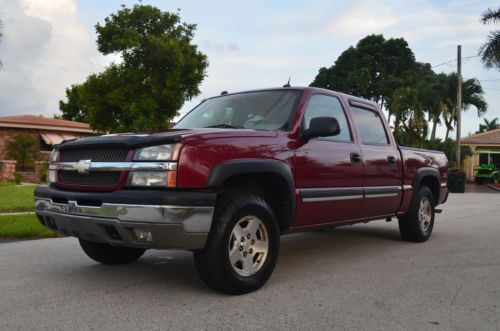
The 2004 Chevrolet Silverado 1500 Z71 Crew Cab represents a high point in GM's full-size truck evolution. It's a vehicle that's become a staple on roads and trails alike, known for its blend of capability, comfort, and ruggedness. While many see it as just a workhorse, a closer look reveals a carefully engineered machine with specific features and design choices that contribute to its overall performance and appeal. This guide delves into the key technical aspects of this particular model, offering a detailed examination of its powertrain, chassis, suspension, and other critical systems.
Powertrain: Heart of the Beast
The heart of any truck is its engine, and the 2004 Silverado Z71 offered a range of options, with the 5.3L Vortec V8 (LM7) being a popular choice. This engine is a prime example of GM's pushrod V8 architecture, a design known for its simplicity, reliability, and strong low-end torque. Let's break down its key components:
- Engine Block: The LM7 typically features a cast iron block, chosen for its durability and ability to withstand the stresses of heavy-duty use. While aluminum blocks offer weight savings, cast iron provides superior rigidity and resistance to deformation under high temperatures and pressures.
- Cylinder Heads: Aluminum cylinder heads are employed to improve heat dissipation and reduce overall engine weight. These heads feature two valves per cylinder, actuated by pushrods connected to a single camshaft located within the engine block. The valve angle and combustion chamber design are optimized for efficient combustion and reduced emissions.
- Crankshaft and Connecting Rods: A cast iron crankshaft and forged steel connecting rods handle the reciprocating motion of the pistons. The crankshaft is balanced to minimize vibrations and ensure smooth operation across the engine's RPM range. The connecting rods transmit the force of the pistons to the crankshaft, converting linear motion into rotational motion.
- Fuel Injection: The LM7 utilizes sequential port fuel injection (SFI), where each cylinder receives its own individual fuel injector. This system allows for precise fuel metering, leading to improved fuel economy and reduced emissions compared to throttle body injection or carbureted systems. The electronic control unit (ECU) monitors various engine parameters, such as air intake temperature, throttle position, and oxygen sensor readings, to optimize fuel delivery in real-time.
- Exhaust System: The exhaust system consists of exhaust manifolds, catalytic converters, and a muffler. The manifolds collect exhaust gases from each cylinder bank and direct them to the catalytic converters, which reduce harmful emissions by converting them into less harmful substances. The muffler reduces exhaust noise, ensuring a quieter and more comfortable driving experience.
The transmission is another crucial component of the powertrain. The 4L60E four-speed automatic transmission was commonly paired with the 5.3L V8. This transmission is electronically controlled, offering smooth and reliable shifting. It's worth noting that while a five-speed manual transmission was available, it was less common in the Z71 trim, which prioritized off-road capability and ease of use.
The Z71 package included a heavy-duty automatic transmission cooler to help maintain optimal transmission fluid temperatures during demanding conditions such as towing or off-road driving. This helps to extend the life of the transmission and prevent overheating, which can lead to premature failure.
Chassis and Suspension: Built for Rugged Terrain
The Silverado 1500 Z71's chassis is based on a robust ladder frame design. This traditional frame construction provides excellent strength and rigidity, making it well-suited for hauling heavy loads and navigating rough terrain. The frame is constructed from high-strength steel and features crossmembers that connect the side rails, enhancing its overall stiffness.
The suspension system is a critical element in the Z71's off-road prowess. The front suspension utilizes an independent torsion bar design. Torsion bars are essentially long, flexible steel rods that twist under load, providing spring resistance. This setup offers good wheel travel and articulation, allowing the front wheels to maintain contact with the ground even on uneven surfaces. The Z71 package typically included upgraded shock absorbers, specifically designed to handle the increased demands of off-road driving. These shocks provide better damping and control, reducing body roll and improving ride quality on rough roads. Furthermore, the Z71's suspension sits slightly higher than standard models, providing increased ground clearance.
The rear suspension employs a solid axle with leaf springs. This design is known for its simplicity, durability, and ability to handle heavy loads. The leaf springs provide the necessary spring rate to support the vehicle's weight and cargo capacity. The Z71 package often included upgraded leaf springs with a higher load capacity, further enhancing its towing and hauling capabilities.
Four-Wheel Drive System: The Z71 package includes a part-time four-wheel-drive system. This system allows the driver to engage four-wheel drive when needed, providing increased traction in slippery or challenging conditions. The system typically uses a two-speed transfer case, which allows the driver to select either high-range four-wheel drive (4HI) or low-range four-wheel drive (4LO). Low range provides increased torque multiplication, making it ideal for crawling over obstacles or navigating steep inclines.
Electronic Shift Control (ESC) manages the engagement of the 4WD system. A motor actuates the transfer case, engaging the front axle. It's a reliable system, but maintenance of the actuator motor and regular exercise of the 4WD system are crucial for longevity.
Braking System: Stopping Power
The Silverado 1500 Z71 is equipped with a hydraulic braking system featuring power-assisted disc brakes on the front wheels and drum brakes on the rear wheels. This combination provides adequate stopping power for most driving conditions. The front disc brakes offer superior heat dissipation compared to drum brakes, making them more resistant to brake fade during heavy use.
The Z71 also includes Anti-lock Braking System (ABS). ABS prevents the wheels from locking up during hard braking, allowing the driver to maintain steering control. This is particularly important on slippery surfaces, where locked wheels can lead to loss of control. ABS works by modulating the brake pressure to each wheel, preventing them from exceeding their maximum traction limit.
Interior and Electronics
While the Z71 focused on off-road capabilities, the Crew Cab offered a comfortable and spacious interior. The instrument cluster featured analog gauges for speed, RPM, fuel level, and engine temperature. The center console housed the radio and climate controls, providing easy access to these functions.
The electronic systems included features like power windows, power locks, and air conditioning. Some models also included features like cruise control, a premium sound system, and leather seats. The ECU controls many of the vehicle's functions, including engine management, transmission control, and ABS.
Conclusion
The 2004 Chevrolet Silverado 1500 Z71 Crew Cab is a testament to the engineering principles of durability, capability, and reliability. Its robust powertrain, rugged chassis, and carefully designed suspension system make it a versatile vehicle that can handle a wide range of tasks. While advancements in automotive technology have undoubtedly occurred since 2004, the Silverado Z71 remains a solid and capable truck, offering a blend of performance and practicality that continues to appeal to truck enthusiasts today. Its enduring popularity is a reflection of its well-engineered design and its ability to withstand the rigors of everyday use.