
2005 Jeep Grand Cherokee 4.7 Firing Order
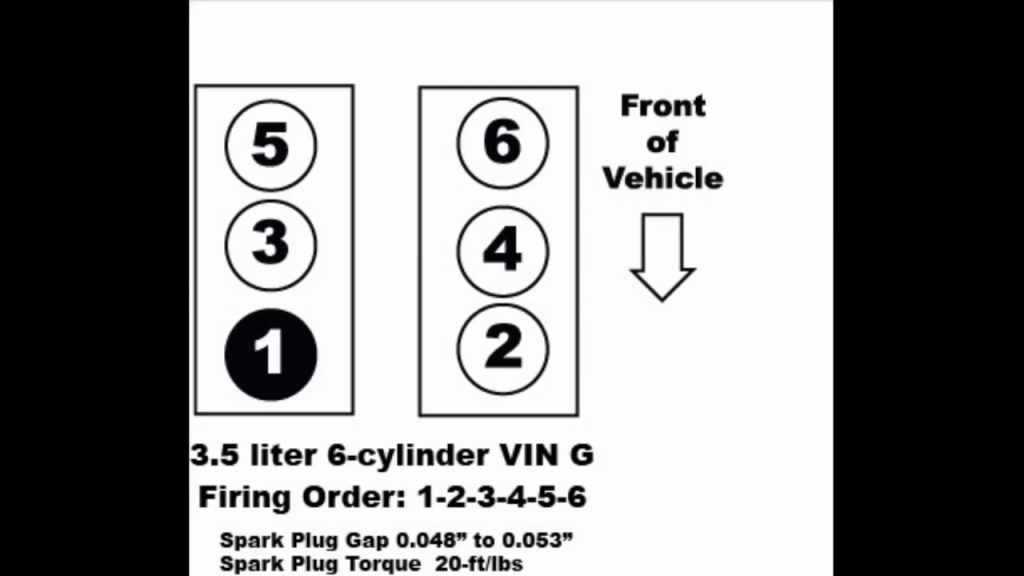
The 2005 Jeep Grand Cherokee, specifically the model equipped with the 4.7-liter V8 engine, is a popular vehicle known for its blend of on-road comfort and off-road capability. A critical aspect of its smooth and efficient operation is the firing order – the precise sequence in which the engine's cylinders ignite. Understanding this firing order is paramount for anyone performing diagnostics, repairs, or modifications to the engine. This guide will delve into the 4.7L's firing order, explaining why it's important and how it relates to the engine's overall design.
The Importance of Firing Order
At its core, the internal combustion engine transforms chemical energy (fuel) into mechanical energy (motion) through a carefully orchestrated series of explosions within each cylinder. The firing order dictates the specific sequence in which these explosions occur. This sequence isn't arbitrary; it's meticulously engineered to:
- Balance Engine Load: Evenly distribute the combustion forces across the crankshaft. An unbalanced firing order can lead to excessive vibrations, uneven wear on engine components, and a decrease in overall engine lifespan.
- Minimize Vibration: A well-chosen firing order helps to cancel out inherent vibrations generated by the reciprocating motion of the pistons and connecting rods.
- Optimize Exhaust Flow: Proper sequencing can help to scavenge exhaust gases from the cylinders more efficiently, leading to improved engine breathing and performance.
- Reduce Stress on Components: By managing the timing of power pulses, the firing order minimizes stress on the crankshaft, connecting rods, and bearings.
Imagine a team of rowers in a boat. If they all pulled their oars simultaneously on one side, the boat would lurch violently. Similarly, if the engine's cylinders fired in a poorly designed sequence, the engine would run roughly and be prone to damage.
2005 Jeep Grand Cherokee 4.7L V8 Firing Order: 1-8-4-3-6-5-7-2
The firing order for the 2005 Jeep Grand Cherokee 4.7L V8 engine is 1-8-4-3-6-5-7-2. This means that cylinder number 1 fires first, followed by cylinder number 8, then cylinder number 4, and so on, until cylinder number 2 completes the cycle.
Cylinder Numbering
Understanding the firing order also requires knowing how the cylinders are numbered. Facing the engine from the front (where the accessory drive components like the alternator and power steering pump are located):
- On the right (passenger) side of the engine are cylinders 1, 3, 5, and 7, numbered from front to back.
- On the left (driver) side of the engine are cylinders 2, 4, 6, and 8, also numbered from front to back.
It's crucial to get this numbering correct when working on the ignition system, particularly when replacing spark plugs or troubleshooting ignition misfires.
The Distributor-less Ignition System
The 2005 Grand Cherokee 4.7L utilizes a distributor-less ignition system (DIS), also known as a coil-on-plug (COP) system. This means that each cylinder has its own ignition coil mounted directly on top of the spark plug. The engine control unit (ECU), or PCM (Powertrain Control Module), controls the firing of each coil independently. This eliminates the need for a traditional distributor and rotating spark plug wires.
The ECU determines when to fire each coil based on inputs from various sensors, including the crankshaft position sensor (CKP) and the camshaft position sensor (CMP). The CKP sensor provides information about the engine's rotational speed and position, while the CMP sensor identifies the position of the camshaft, allowing the ECU to determine which cylinder is on its compression stroke and ready to fire.
Diagnosing Firing Order Related Issues
Problems related to the firing order, while less common in a distributor-less system compared to older distributor-based systems, can still occur. Common symptoms include:
- Rough Idling: An inconsistent firing pattern can cause the engine to idle erratically.
- Misfires: If a cylinder doesn't fire when it's supposed to, it's called a misfire. This can be caused by a faulty ignition coil, a bad spark plug, or a problem with the wiring.
- Loss of Power: An engine with misfires will not produce its full rated power.
- Poor Fuel Economy: Misfires can lead to unburned fuel being expelled into the exhaust, reducing fuel efficiency.
- Check Engine Light (CEL): The ECU will often detect misfires and illuminate the CEL. Diagnostic Trouble Codes (DTCs) such as P0300 (Random Misfire) or P0301-P0308 (Misfire on Cylinder 1-8) may be stored.
When diagnosing firing order related issues, consider the following steps:
- Scan for Diagnostic Trouble Codes (DTCs): Use an OBD-II scanner to retrieve any stored DTCs. This will provide valuable clues about the nature of the problem.
- Check Spark Plugs: Inspect the spark plugs for wear, damage, or fouling. Replace them if necessary. Ensure the correct spark plug gap is used.
- Inspect Ignition Coils: Test the ignition coils using a multimeter to check their primary and secondary resistance. A faulty coil can prevent the spark plug from firing. You can also try swapping coils between cylinders to see if the misfire follows the coil.
- Check Wiring and Connectors: Inspect the wiring harness and connectors for any signs of damage, corrosion, or loose connections. A broken wire or a corroded connector can interrupt the signal to the ignition coil.
- Fuel Injector Issues: While not directly related to the ignition system, a faulty fuel injector can mimic a misfire. Consider testing the fuel injectors to ensure they are delivering the correct amount of fuel.
- Compression Test: Perform a compression test to rule out any mechanical issues, such as a leaky valve or worn piston rings. Low compression in a cylinder can prevent proper combustion.
Modifications and Firing Order Considerations
When making performance modifications to the 4.7L V8, such as installing aftermarket camshafts or increasing the compression ratio, it's important to consider how these changes might affect the engine's behavior. While the firing order itself will remain the same, the timing of the ignition events may need to be adjusted to optimize performance and prevent engine damage. This typically involves re-flashing the ECU with a custom tune that takes into account the modifications.
In conclusion, the firing order is a fundamental aspect of the 2005 Jeep Grand Cherokee 4.7L V8 engine's design and operation. Understanding its importance and how it relates to the cylinder numbering and ignition system is essential for effective diagnosis, repair, and performance enhancement. By following the diagnostic procedures outlined in this guide, you can effectively troubleshoot firing order related issues and keep your 4.7L running smoothly.