
2005 Toyota Prius Inverter Coolant Pump
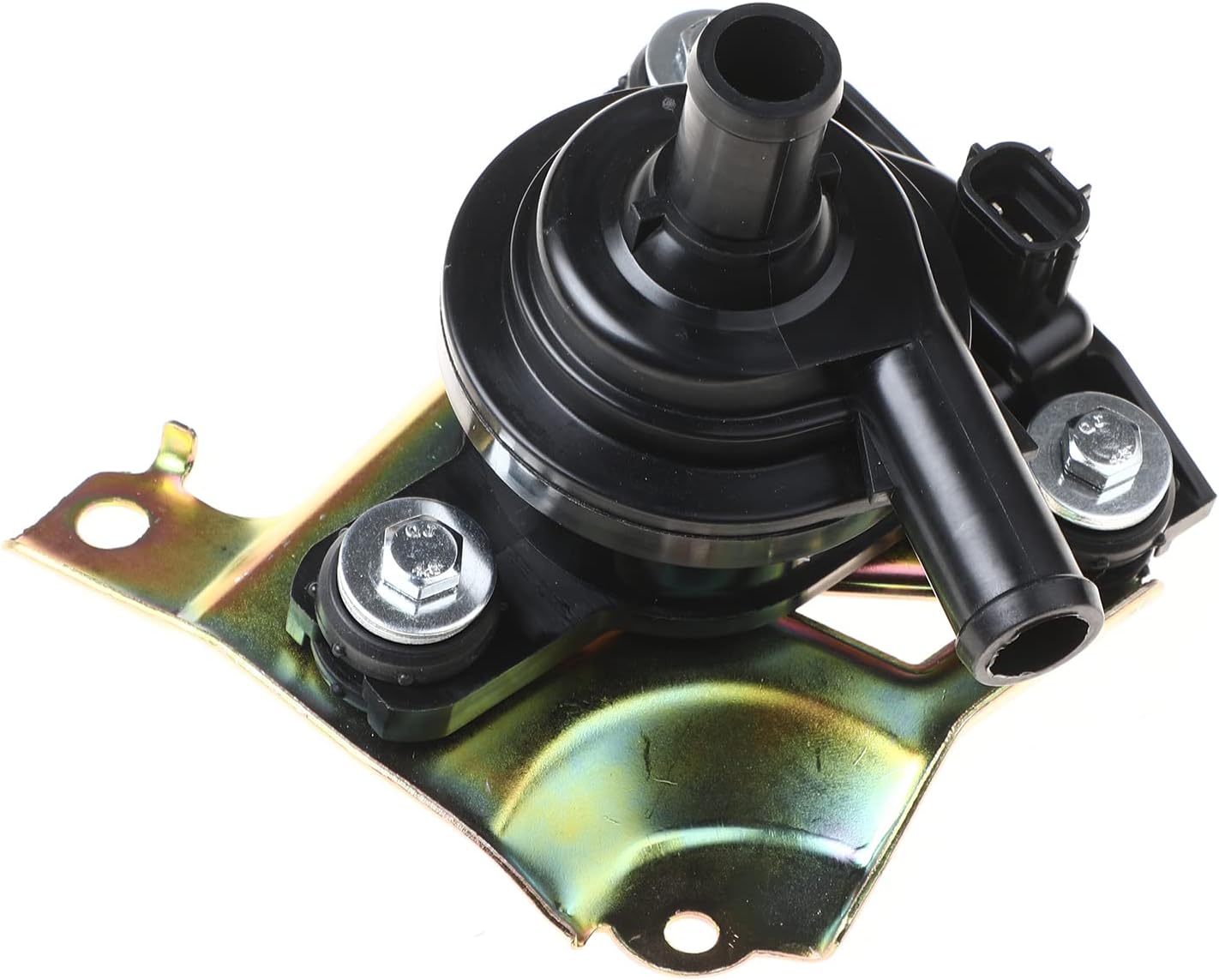
The 2005 Toyota Prius, a landmark vehicle in hybrid technology, relies on a complex interplay of systems to achieve its impressive fuel economy. While the hybrid synergy drive and the internal combustion engine often steal the spotlight, the inverter coolant pump plays a vital, yet often overlooked, role in the vehicle's overall reliability and performance. This article delves into the specifics of the 2005 Prius inverter coolant pump, its function, common failure modes, and essential maintenance practices.
Function and Importance
The 2005 Prius utilizes a high-voltage system, including the inverter, to convert DC power from the hybrid battery into AC power for the electric motors. This conversion process generates substantial heat. The inverter coolant pump is responsible for circulating coolant through the inverter and other high-voltage components, dissipating this heat and preventing overheating. Without a properly functioning pump, the inverter can overheat rapidly, leading to reduced performance, system shutdowns, and potentially catastrophic component failure. Think of it as the heart of the inverter cooling system, diligently keeping things at the right temperature.
The inverter coolant system is separate from the engine cooling system, using its own dedicated reservoir, radiator, and pump. This separation ensures that the delicate electronic components are maintained within a precise temperature range, independent of the engine's operating conditions. This careful temperature management is crucial for the long-term health and efficiency of the hybrid system.
Common Failure Modes
Unfortunately, the inverter coolant pump is a known weak point in the 2005 Prius. Several factors contribute to its susceptibility to failure:
- Pump Motor Failure: The electric motor within the pump can fail due to wear and tear, corrosion, or electrical issues. This is often indicated by a complete lack of coolant circulation.
- Impeller Damage: The impeller, responsible for moving the coolant, can become damaged or detached from the motor shaft. This can result in reduced flow or complete pump failure.
- Bearing Wear: The pump's bearings can wear out over time, leading to increased noise and eventually pump failure.
- Electrical Connector Corrosion: Corrosion within the electrical connector supplying power to the pump can disrupt the electrical signal, causing intermittent or complete pump failure.
- Coolant Contamination: Debris and contaminants in the coolant can clog the pump and reduce its efficiency, eventually leading to failure.
Signs of a failing inverter coolant pump can include a dashboard warning light (usually related to the hybrid system), overheating of the inverter, reduced hybrid system performance, and unusual noises emanating from the pump area. It's crucial to address these symptoms promptly to prevent further damage.
Diagnosis and Replacement
Diagnosing an inverter coolant pump failure typically involves:
- Visual Inspection: Checking for leaks, corrosion, and physical damage to the pump and its connections.
- Coolant Flow Verification: Observing the coolant flow in the reservoir with the ignition on. A lack of flow is a strong indicator of pump failure.
- Electrical Testing: Using a multimeter to check for voltage at the pump connector and testing the pump's resistance.
- Diagnostic Trouble Codes (DTCs): Scanning the vehicle's computer for any relevant DTCs related to the inverter cooling system. Common codes include P0A93 (Inverter Cooling System Performance) and P0A78 (Drive Motor Inverter Temperature Sensor Circuit).
Replacing the inverter coolant pump is a relatively straightforward process for experienced mechanics. It typically involves draining the inverter coolant, disconnecting the electrical connector and hoses, removing the old pump, installing the new pump, reconnecting the hoses and electrical connector, refilling the coolant, and bleeding the system to remove air pockets. It is important to use the correct type of coolant (Toyota Super Long Life Coolant) to avoid corrosion and ensure optimal performance.
Maintenance and Prevention
To prolong the life of the inverter coolant pump, consider these preventative measures:
- Regular Coolant Flushes: Adhering to the recommended coolant flush intervals (typically every 5 years or 50,000 miles) to remove contaminants and maintain optimal coolant condition.
- Coolant Level Checks: Regularly checking the coolant level in the reservoir and topping off as needed.
- Visual Inspections: Periodically inspecting the pump and its connections for signs of leaks, corrosion, or damage.
- Genuine Parts: When replacing the pump, using a genuine Toyota or reputable aftermarket pump is recommended to ensure proper fit, performance, and reliability. Using a cheap aftermarket pump might lead to premature failure.
The 2005 Toyota Prius inverter coolant pump is a critical component that requires regular maintenance and prompt attention to any signs of failure. By understanding its function, common failure modes, and preventative measures, Prius owners and technicians can ensure the long-term reliability and performance of this groundbreaking hybrid vehicle.