
2008 Ford Edge Tire Pressure Sensor Fault
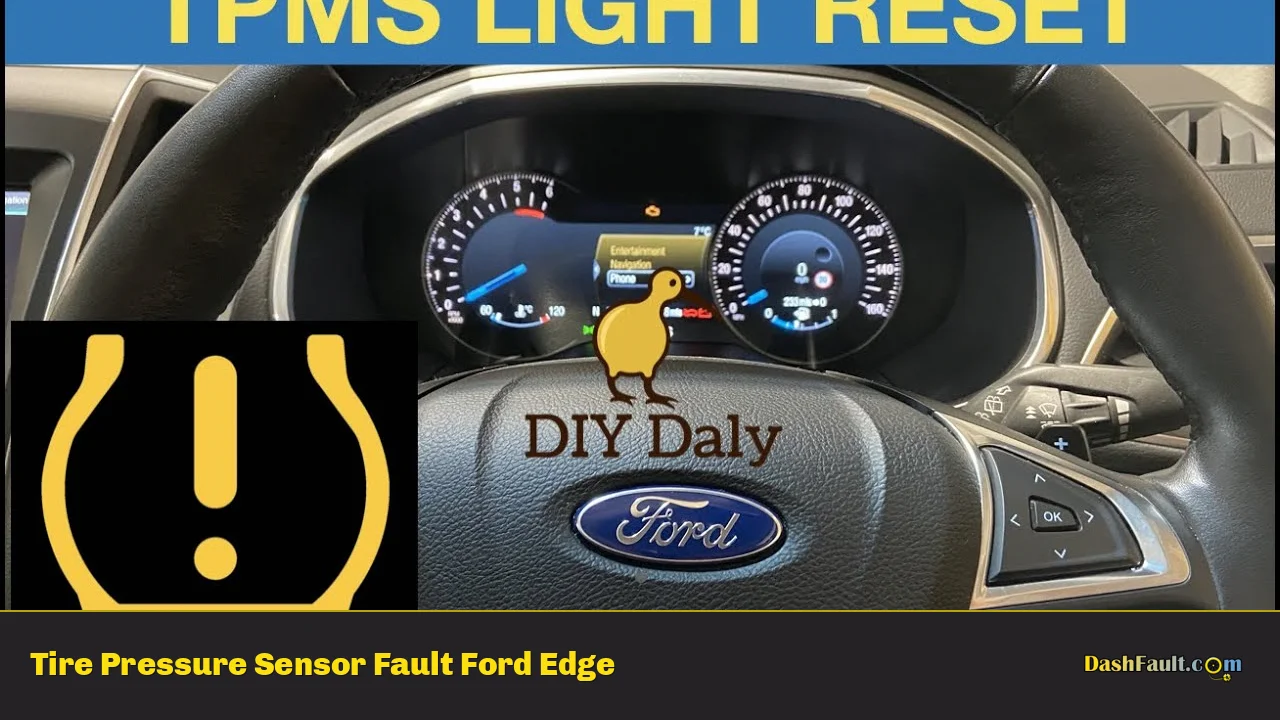
The 2008 Ford Edge. A crossover that promised sporty handling and modern amenities. But like any vehicle of its age, it comes with its quirks. And one of the most persistent, and frankly, annoying, is the dreaded Tire Pressure Monitoring System (TPMS) fault. That little orange horseshoe with an exclamation point can haunt even the most seasoned Edge owner.
Understanding the 2008 Ford Edge TPMS
The 2008 Edge uses a direct TPMS system. This means each tire has a sensor inside, transmitting pressure readings wirelessly to the vehicle's computer. When a tire's pressure drops below a pre-set threshold (typically around 28 PSI), or when a sensor malfunctions, that dreaded light illuminates.
However, not all 2008 Edges are created equal. Subtle differences in trim levels and build dates can impact the TPMS experience.
Model Year and Trim Level Variations
While the underlying TPMS technology remained relatively consistent across the 2008 Edge range (SE, SEL, Limited), the diagnostic tools and potential causes of faults could vary. For instance:
- SE Models: Being the base trim, the SE often lacked the more advanced diagnostic features found in higher trims. This can make pinpointing the specific faulty sensor more challenging, relying on simpler scan tools.
- SEL and Limited Models: These trims often included features like driver information centers that could display individual tire pressures, making diagnosis easier (when they worked correctly!).
- Early vs. Late 2008 Production: Some owners report that early production models were more prone to sensor failures, potentially due to initial component quality issues.
Specification Comparison Table
| Feature | 2008 Ford Edge SE | 2008 Ford Edge SEL/Limited |
|---|---|---|
| TPMS Type | Direct | Direct |
| Individual Tire Pressure Display | No | Potentially, depending on optional packages |
| Diagnostic Complexity | Higher (requires more detailed scan) | Lower (easier with pressure display, if functional) |
Common Causes of TPMS Faults
Several culprits can trigger the TPMS light:
- Dead or Dying Sensors: The batteries inside the sensors have a lifespan of roughly 5-7 years. Given the age of a 2008 Edge, sensor failure is the most common cause.
- Low Tire Pressure: A simple fix, but often overlooked. Ensure all tires are inflated to the correct pressure, typically listed on the driver's side door jamb.
- Sensor Damage: Impacts with potholes or curbs can damage the sensors.
- Receiver Malfunction: The receiver that picks up the sensor signals can fail. This is less common than sensor failure but possible.
- Environmental Factors: Extreme temperatures can sometimes affect sensor readings.
Real-World Driving Impressions and Experiences
From scouring online forums and speaking with 2008 Edge owners, here's a snapshot of the common experiences:
"My TPMS light came on constantly. I checked the tire pressures, they were fine. Replaced all four sensors, and the light went away. Best money I spent all year!" - Edge SE Owner
"The individual tire pressure display on my Limited was great...when it worked. It would constantly show incorrect readings, even after I replaced the sensors. Turned out to be a faulty receiver module." - Edge Limited Owner
"Living in a climate with extreme temperature swings, my TPMS light would come on every winter. I just learned to live with it and checked my tire pressures manually." - Edge SEL Owner
Pros and Cons of the 2008 Ford Edge TPMS System
Pros:
- Enhanced safety by alerting drivers to low tire pressure, preventing potential blowouts.
- Improved fuel economy by encouraging proper tire inflation.
Cons:
- Sensors are prone to failure, especially with age.
- Diagnostic procedures can be complex, especially on base models.
- Replacement sensors can be costly, although aftermarket options are available.
- The system can be overly sensitive and prone to false alarms.
Troubleshooting and Repair Tips
Here are some tips for tackling that pesky TPMS light:
- Start with the Basics: Check tire pressures with a reliable gauge. Ensure they are within the recommended range.
- Use a Scan Tool: A TPMS-compatible scan tool can read individual sensor IDs and pressures, helping pinpoint the faulty sensor.
- Consider Aftermarket Sensors: Aftermarket TPMS sensors are often cheaper than OEM sensors. Be sure to choose a reputable brand.
- Professional Help: If you're not comfortable working on your car, take it to a qualified mechanic.
Warning: Always deflate tires before removing old sensors and installing new ones. Follow the correct installation procedure to avoid damaging the sensors or the wheels.
Final Thoughts
The 2008 Ford Edge TPMS system, while a valuable safety feature in theory, can be a source of frustration for owners. Understanding the nuances of the system, potential causes of faults, and troubleshooting tips can save you time and money. Replacing all four sensors at once is a common strategy, and prevents revisiting the issue multiple times. Remember to have a mechanic recalibrate the sensors after installation!
Now for the fun part: Let's debate! Is it worth it to keep the TPMS system functional on a car this old, or is it better to just manually check your tire pressure regularly? Let us know your thoughts in the comments!