
2008 Honda Crv Radiator Fan Not Working
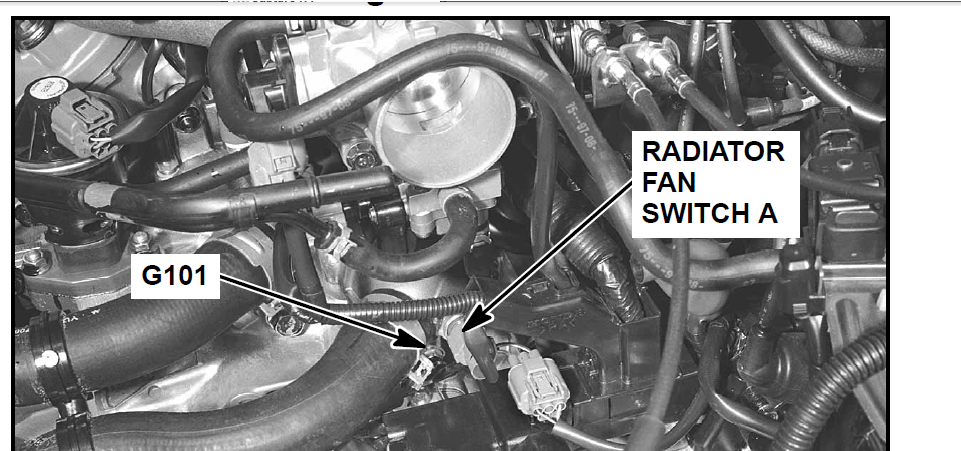
A malfunctioning radiator fan in your 2008 Honda CRV can quickly lead to overheating, especially during hot weather or stop-and-go traffic. Addressing this issue promptly is crucial to prevent significant engine damage. This article provides a practical guide for both car owners and mechanics to diagnose and fix a non-functional radiator fan on a 2008 Honda CRV.
Common Symptoms of a Radiator Fan Problem
The most obvious symptom is overheating, indicated by the temperature gauge creeping into the red zone. However, be aware of other, more subtle signs:
- Engine overheating, especially at idle or in traffic: The radiator fan is essential for cooling when the car isn't moving, as there's no airflow over the radiator.
- Air conditioning blowing warm air at idle: The A/C condenser also relies on airflow to dissipate heat. A faulty fan can prevent the A/C from working effectively.
- Steam coming from under the hood: This is a severe sign of overheating and requires immediate attention.
- Check engine light: In some cases, an overheating engine or a faulty sensor related to the cooling system can trigger the check engine light.
Troubleshooting a Non-Working Radiator Fan
Before diving into complex diagnostics, start with the basics. A systematic approach will save you time and effort.
1. Visual Inspection
Begin by visually inspecting the radiator fan assembly. Check for:
- Obvious damage: Look for cracks, broken blades, or debris obstructing the fan.
- Loose wiring: Ensure all wiring connections to the fan motor are secure and free from corrosion.
- Obstructions: Check for anything blocking the fan's movement, like a plastic bag or a stray wire.
2. Check the Fuses and Relays
The radiator fan circuit includes a fuse and a relay. A blown fuse or a faulty relay is a common cause of fan failure.
How to check the fuse: Locate the fuse box (usually under the hood and sometimes under the dashboard). Consult your owner's manual to identify the radiator fan fuse. Use a fuse tester or a multimeter to check for continuity. Replace the fuse if it's blown.
How to check the relay: Locate the radiator fan relay (again, consult your owner's manual). Relays are typically small, cube-shaped components. You can test the relay by swapping it with an identical relay from a non-critical system (like the horn relay, for example). If the fan now works with the swapped relay, the original relay is faulty and needs replacement. Alternatively, a multimeter can be used to test the relay's coil and contacts.
Example: Many Honda models, including the CRV, use a similar relay for multiple systems. Swapping relays is a quick and easy diagnostic step.
3. Test the Fan Motor Directly
If the fuses and relays are good, the next step is to test the fan motor itself.
Procedure: Disconnect the electrical connector from the fan motor. Use jumper wires to connect the fan motor directly to the car's battery (positive and negative terminals). Be cautious when working with the battery. If the fan motor runs when directly connected to the battery, the motor is good, and the problem lies elsewhere in the circuit. If the fan motor doesn't run, it's likely faulty and needs to be replaced.
4. Check the Coolant Temperature Sensor (CTS)
The CTS sends information to the engine control unit (ECU) about the engine coolant temperature. The ECU uses this information to determine when to activate the radiator fan. A faulty CTS can send incorrect readings, preventing the fan from turning on.
Diagnosis: A scan tool can be used to read the CTS data. Compare the reading to the actual engine temperature. A significant discrepancy indicates a faulty CTS. Also, check the wiring and connector to the CTS for any damage or corrosion.
Example: In some cases, a failing CTS might report a consistently low temperature, even when the engine is hot, preventing the ECU from activating the fan.
5. Check the Wiring Harness
Inspect the wiring harness for any damaged, corroded, or shorted wires. Pay particular attention to the wires near the fan motor, relay, and CTS.
Procedure: Visually inspect the wiring. Use a multimeter to check for continuity and shorts to ground. Repair or replace any damaged wiring.
Real-World Issues and Solutions
- Corrosion: In areas with harsh winters and road salt, corrosion can be a major problem. Clean corroded connections with a wire brush and apply dielectric grease to prevent future corrosion.
- Aftermarket Parts: Using cheap aftermarket fan motors can sometimes lead to premature failure. Stick with reputable brands or OEM parts for better reliability.
- Wiring Damage from Rodents: Rodents can sometimes chew on wiring harnesses. Inspect for any signs of rodent damage.
Keeping Your Car in Top Condition
Regular maintenance is the key to preventing cooling system problems. Here are a few tips:
- Check coolant levels regularly: Low coolant can lead to overheating.
- Flush the cooling system according to the manufacturer's recommendations: Old coolant can become corrosive and reduce cooling efficiency.
- Inspect hoses and belts for cracks and wear: Replace them as needed.
- Keep the radiator clean: Remove any debris that may be blocking airflow.
- Monitor your temperature gauge: Pay attention to any unusual readings and address them promptly.
By following these steps, you can effectively diagnose and repair a non-working radiator fan on your 2008 Honda CRV, preventing costly engine damage and ensuring your car stays cool and reliable.