
2008 Nissan Xterra Firing Order
The 2008 Nissan Xterra, a rugged and reliable SUV, is known for its off-road capabilities and durable engine. Maintaining its engine's health is paramount for its longevity and performance. One critical aspect of engine maintenance often overlooked is understanding the firing order. This article delves into the firing order of the 2008 Nissan Xterra, focusing on its importance, how it relates to engine performance, troubleshooting common issues, and providing practical maintenance tips for both car owners and mechanics.
Understanding the 2008 Nissan Xterra's Firing Order
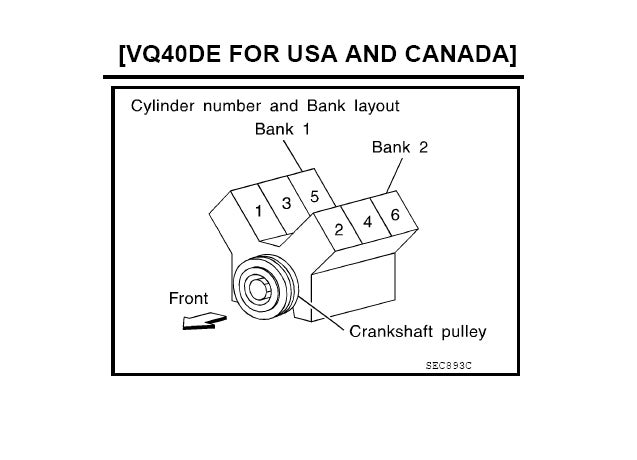
The firing order is the sequence in which the cylinders of an internal combustion engine fire. It's a precisely timed event dictated by the engine's design to ensure smooth operation and efficient power delivery. For the 2008 Nissan Xterra, equipped with the 4.0L V6 engine (VQ40DE), the firing order is 1-2-3-4-5-6. This means that cylinder number 1 fires first, followed by 2, then 3, and so on, until all six cylinders have fired in sequence. This sequence is crucial for balancing the engine's crankshaft and preventing excessive vibrations. A misaligned or incorrect firing order will lead to a host of problems.
Why is the Firing Order Important?
The correct firing order ensures:
- Optimal Engine Performance: Proper combustion in each cylinder leads to maximum power output and fuel efficiency.
- Smooth Engine Operation: The balanced firing sequence minimizes vibrations and ensures a smooth ride.
- Reduced Engine Wear: Correct timing reduces stress on engine components, extending their lifespan.
- Proper Emissions Control: Complete and efficient combustion helps to minimize harmful emissions.
Common Symptoms of an Incorrect Firing Order
When the firing order is incorrect, either due to misaligned spark plug wires, a faulty distributor (in older models that used distributors), or issues with the crankshaft position sensor or camshaft position sensor, several noticeable symptoms will arise. Recognizing these symptoms early is crucial for preventing further damage.
- Rough Idling: The engine may shake or vibrate excessively when idling. This is because the cylinders are not firing in the correct sequence, leading to an imbalance.
- Misfires: The engine may experience noticeable misfires, especially under load. Misfires occur when a cylinder fails to fire correctly, resulting in a loss of power and efficiency. You may also get a check engine light related to misfires, such as P0300 (Random/Multiple Cylinder Misfire Detected) or specific cylinder misfire codes (P0301-P0306).
- Loss of Power: The vehicle may feel sluggish and lack its usual power, especially during acceleration. This is a direct result of incomplete or inefficient combustion.
- Poor Fuel Economy: The engine has to work harder to compensate for the incorrect firing order, leading to increased fuel consumption.
- Unusual Noises: Knocking or pinging sounds from the engine bay can indicate pre-ignition or detonation, which can be caused by incorrect timing linked to the firing order.
- Check Engine Light: The onboard diagnostic system will likely trigger the check engine light, storing error codes related to misfires, timing issues, or crankshaft/camshaft position sensor problems.
- Difficulty Starting: In severe cases, the incorrect firing order can make it difficult to start the engine.
Troubleshooting Firing Order Issues on the 2008 Nissan Xterra
Diagnosing and resolving firing order problems requires a systematic approach. Here's a breakdown of the steps involved:
1. Visual Inspection
Begin with a thorough visual inspection of the engine bay. Check the following:
- Spark Plug Wires: Ensure that the spark plug wires (if applicable; the Xterra uses coil-on-plug ignition) are securely connected to both the spark plugs and the ignition coils. Verify that the wiring is not damaged, cracked, or frayed. While the 2008 Xterra has coil-on-plug ignition, meaning each cylinder has its own ignition coil directly on top of the spark plug, you still need to inspect the coil connectors and wiring harness leading to each coil.
- Ignition Coils: Inspect the ignition coils for any signs of damage, such as cracks or oil leaks. Test the resistance of each coil.
- Connectors and Wiring: Check all electrical connectors and wiring harnesses for corrosion, damage, or loose connections. Pay particular attention to the connectors for the ignition coils, crankshaft position sensor, and camshaft position sensors.
- Distributor Cap and Rotor (If Applicable): Although the 2008 Xterra uses coil-on-plug, a quick mention of distributor caps and rotors is helpful for readers familiar with older vehicles. Cracks or carbon buildup on the distributor cap or a worn rotor can disrupt the firing order.
2. Diagnostic Scan
Connect an OBD-II scanner to the vehicle's diagnostic port and retrieve any stored error codes. Pay close attention to codes related to misfires (P0300-P0306), crankshaft position sensor (CKP), and camshaft position sensor (CMP). These codes can provide valuable clues about the source of the firing order problem.
3. Testing Components
- Spark Plugs: Remove and inspect the spark plugs. Look for signs of wear, damage, or fouling (e.g., carbon buildup, oil contamination). Replace any damaged or worn spark plugs. Ensure you use the correct spark plug type and gap specified by Nissan.
- Ignition Coils: Use a multimeter to test the resistance of each ignition coil. Compare the readings to the manufacturer's specifications. A faulty ignition coil can cause misfires and disrupt the firing order.
- Crankshaft Position Sensor (CKP): The CKP sensor provides information to the engine control unit (ECU) about the crankshaft's position, which is essential for timing the ignition and fuel injection. A faulty CKP sensor can cause the engine to misfire or not start at all. Test the sensor's resistance and output voltage.
- Camshaft Position Sensor (CMP): The CMP sensor provides information to the ECU about the camshaft's position, which is used to synchronize the fuel injection and ignition events. A faulty CMP sensor can also cause misfires and timing problems. Test the sensor's resistance and output voltage.
4. Correcting the Firing Order
Since the 2008 Xterra uses coil-on-plug ignition, you won't be dealing with spark plug wires that can be easily misplaced. However, if you've removed the ignition coils for any reason, ensure they are reinstalled correctly. Here's a guide:
- Identify Cylinder Numbers: On the VQ40DE engine, cylinder 1 is at the front of the engine on the passenger side. Cylinders are numbered 1-3 on the passenger side (front to back) and 4-6 on the driver's side (front to back).
- Ensure Proper Connections: Make sure each ignition coil is securely connected to the correct spark plug. Double-check that the electrical connectors are properly seated and locked in place.
- Verify Wiring: Inspect the wiring harness for any signs of damage or corrosion. Repair or replace any damaged wires.
Example Scenario and Solution
Scenario: A 2008 Nissan Xterra owner reports rough idling, misfires, and a check engine light. The OBD-II scan reveals codes P0302 (Cylinder 2 Misfire) and P0300 (Random/Multiple Cylinder Misfire Detected).
Troubleshooting:
- Visual Inspection: The mechanic notices that the connector for the ignition coil on cylinder 2 is loose.
- Testing: The mechanic tests the ignition coil on cylinder 2 and finds that its resistance is outside the specified range.
Solution:
- The mechanic replaces the faulty ignition coil on cylinder 2 and ensures the connector is properly secured.
- The mechanic clears the error codes and takes the vehicle for a test drive. The rough idling and misfires are gone, and the check engine light remains off.
Preventive Maintenance for Optimal Engine Performance
Preventing firing order problems starts with regular maintenance. Here are some key tips:
- Regular Spark Plug Replacement: Replace the spark plugs according to the manufacturer's recommended interval. This ensures optimal combustion and prevents misfires. For the 2008 Xterra, this is typically every 30,000 miles, but always check the owner's manual.
- Inspect Ignition Coils Regularly: Periodically inspect the ignition coils for signs of damage or wear. Test their resistance and replace them as needed.
- Maintain Clean Electrical Connections: Keep all electrical connectors clean and free of corrosion. Use dielectric grease to protect the connectors from moisture and corrosion.
- Monitor Engine Performance: Pay attention to any changes in engine performance, such as rough idling, misfires, or loss of power. Address these issues promptly to prevent further damage.
- Regular Oil Changes: Consistent oil changes with the correct type of oil are vital for lubricating engine components and preventing wear that can indirectly affect timing and sensor performance.
- Fuel System Maintenance: Keep the fuel system clean by using fuel injector cleaners periodically and replacing the fuel filter as recommended.
Analogy to Other Vehicles: Think of the firing order like the beat in a drumline. If one drummer is off-beat, the whole rhythm is disrupted. Similarly, a misfiring cylinder disrupts the engine's smooth operation. This principle applies across different car models. For example, a similar issue with a coil pack in a Toyota Tacoma or a Ford F-150 can present similar symptoms and require similar diagnostic procedures.
Conclusion
Understanding and maintaining the firing order of your 2008 Nissan Xterra is crucial for ensuring optimal engine performance, fuel efficiency, and longevity. By recognizing the symptoms of an incorrect firing order, following a systematic troubleshooting approach, and performing regular preventive maintenance, car owners and mechanics can keep these rugged SUVs running smoothly for years to come. Regular checks and proactive maintenance are always better than reactive repairs, and understanding the firing order is just one piece of the puzzle in keeping your Xterra in top condition. Addressing issues early will save time and money in the long run, ensuring that your Xterra remains a reliable and capable vehicle for years to come.