
2010 Chevy Equinox Reduced Engine Power
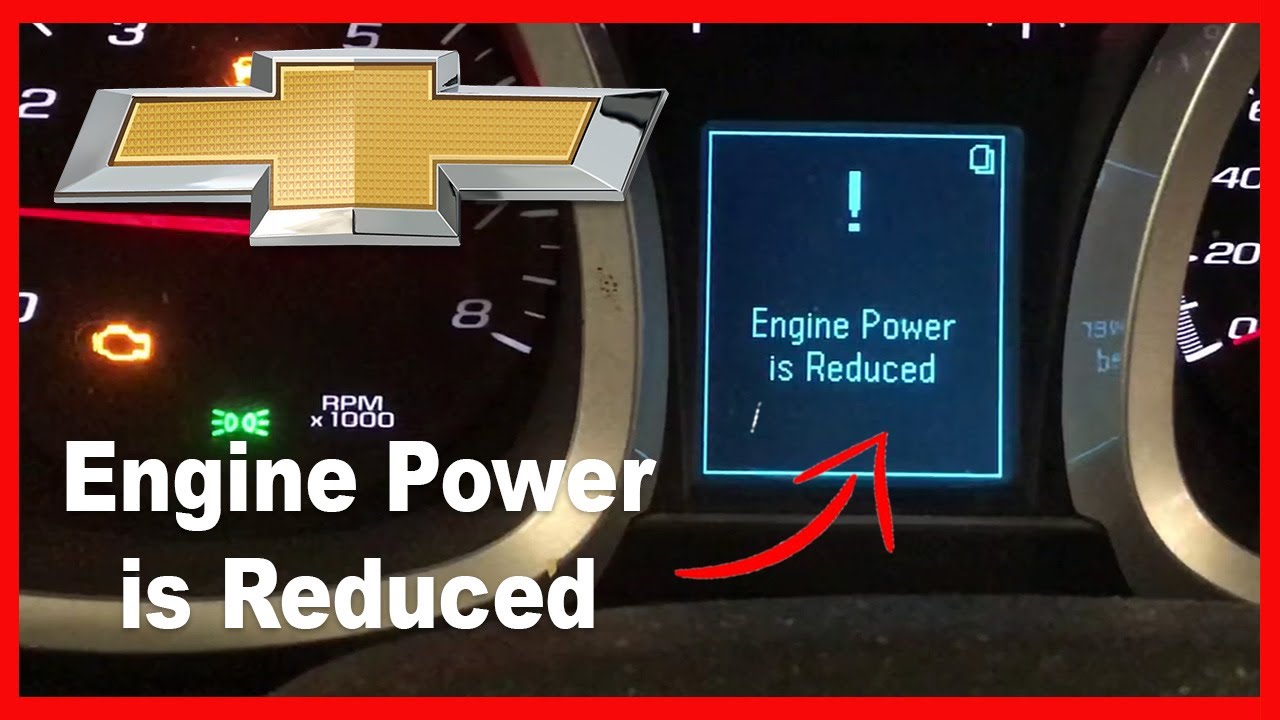
The 2010 Chevrolet Equinox, while generally a reliable vehicle, is no stranger to the dreaded "Reduced Engine Power" warning. This message, often accompanied by a check engine light, can leave drivers stranded or limping along at severely limited speeds. Understanding the potential causes and troubleshooting steps can save you time, money, and frustration.
Understanding Reduced Engine Power Mode
The Reduced Engine Power (REP) mode is a safety mechanism implemented by the vehicle's Engine Control Module (ECM). When the ECM detects a critical fault that could potentially damage the engine or drivetrain, or compromise safety, it activates REP. This limits engine output, reducing acceleration and top speed. The severity of the reduction varies depending on the nature of the fault. It's crucial to understand that REP isn't just an inconvenience; it's a signal that something is seriously wrong and needs immediate attention.
Common Causes of Reduced Engine Power in the 2010 Equinox
Several issues can trigger the REP mode in the 2010 Equinox. Here are some of the most common culprits:
- Throttle Body Issues: This is perhaps the most frequent cause. The throttle body controls the amount of air entering the engine. A dirty, damaged, or malfunctioning throttle body can cause the ECM to interpret the airflow incorrectly, leading to REP. Carbon buildup on the throttle plate can restrict its movement, and a faulty throttle position sensor (TPS) can send inaccurate readings to the ECM. Cleaning the throttle body is often the first and easiest troubleshooting step.
- Accelerator Pedal Position (APP) Sensor: The APP sensor (also sometimes called the accelerator pedal sensor) communicates the driver's throttle input to the ECM. A faulty APP sensor can send erratic or incorrect signals, triggering REP. Diagnosing this requires a scan tool capable of reading live data to monitor the APP sensor's output.
- Mass Airflow Sensor (MAF) Problems: The MAF sensor measures the amount of air entering the engine. Like the throttle body, a dirty or malfunctioning MAF sensor can provide inaccurate readings, leading to REP. Cleaning the MAF sensor with a specialized MAF sensor cleaner is often a viable solution.
- Fuel System Issues: Problems with the fuel system, such as a failing fuel pump, clogged fuel filter, or faulty fuel injectors, can also trigger REP. Insufficient fuel delivery can lead to lean conditions and engine misfires, which the ECM will detect and react to.
- Engine Misfires: Misfires, whether caused by faulty spark plugs, ignition coils, or other issues, can trigger REP. The ECM monitors engine performance and can detect misfires based on crankshaft speed fluctuations.
- Wiring and Connections: Damaged or corroded wiring harnesses and connectors can cause intermittent or complete signal loss, leading to REP. This is especially true for connectors related to the throttle body, APP sensor, and MAF sensor. Thoroughly inspect these components for any signs of damage.
- ECM Problems: In rare cases, the ECM itself may be the culprit. However, this is usually diagnosed after ruling out all other possibilities.
Troubleshooting and Diagnostic Steps
When the "Reduced Engine Power" warning appears, follow these steps to diagnose the problem:
- Read the Diagnostic Trouble Codes (DTCs): Use an OBD-II scanner to retrieve the stored DTCs. These codes will provide valuable clues about the source of the problem. Note down all codes, as multiple codes can be present.
- Inspect the Throttle Body: Visually inspect the throttle body for carbon buildup. Clean it with a throttle body cleaner, following the manufacturer's instructions.
- Check the MAF Sensor: Inspect the MAF sensor for dirt and debris. Clean it with a MAF sensor cleaner.
- Evaluate the APP Sensor: Use a scan tool to monitor the APP sensor's output while pressing the accelerator pedal. Look for any erratic or inconsistent readings.
- Examine Wiring and Connections: Carefully inspect wiring harnesses and connectors related to the throttle body, APP sensor, and MAF sensor for damage or corrosion.
- Consider Fuel System Testing: If the DTCs indicate fuel system issues, perform a fuel pressure test and inspect the fuel filter and injectors.
Preventative Maintenance
While the 2010 Equinox can experience REP issues, regular maintenance can significantly reduce the risk. Regularly cleaning the throttle body and MAF sensor, replacing spark plugs and ignition coils as needed, and ensuring proper fuel system maintenance are crucial preventative measures.
When to Seek Professional Help
If you are not comfortable performing these diagnostic steps or if the problem persists after attempting these solutions, it's best to seek professional help from a qualified mechanic. Diagnosing and repairing REP issues can sometimes require specialized tools and expertise. A professional mechanic can accurately pinpoint the root cause of the problem and perform the necessary repairs to restore your 2010 Equinox to its optimal performance.