
2010 Ford F150 Tire Pressure Sensor Fault
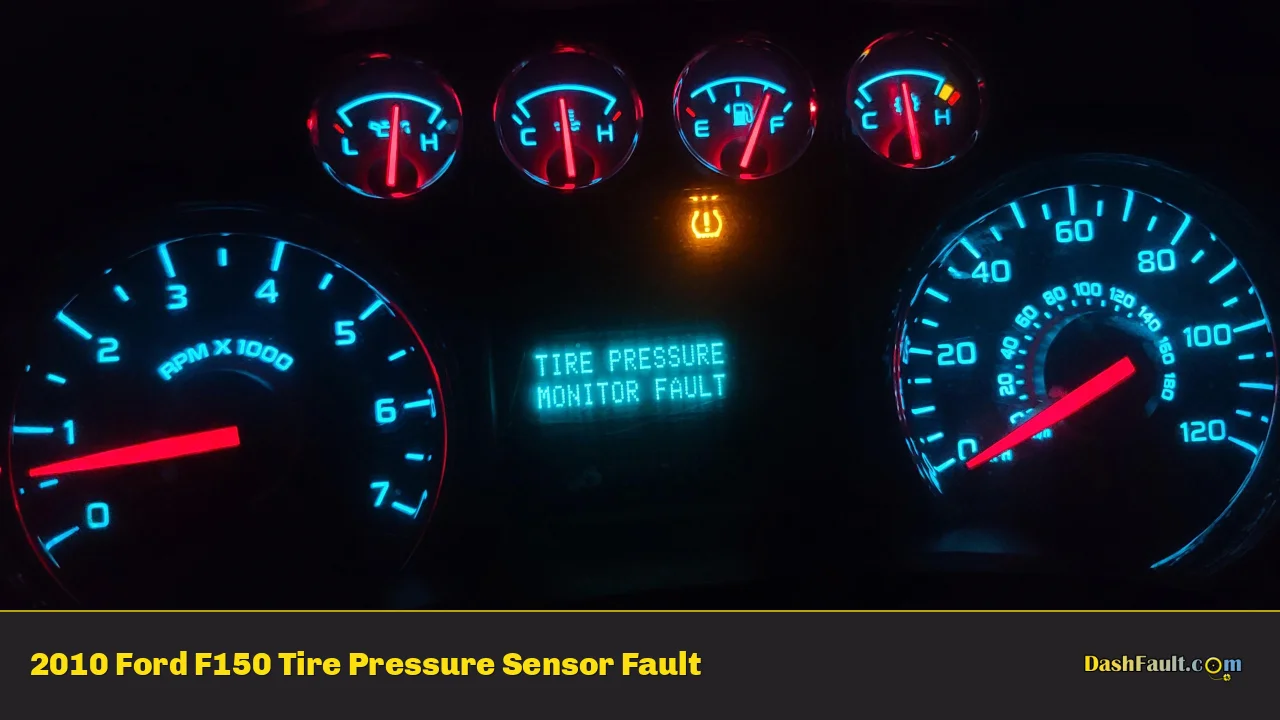
Understanding the 2010 Ford F150 Tire Pressure Sensor (TPMS) Fault
The 2010 Ford F150 is a popular and reliable truck, but like any vehicle, it can experience its share of issues. One common problem reported by owners is a faulty Tire Pressure Monitoring System (TPMS). Understanding the system, the potential causes of failure, and troubleshooting steps can save you time and money.
What is the Tire Pressure Monitoring System (TPMS)?
The TPMS is an electronic system designed to monitor the air pressure inside your vehicle's tires. It typically uses sensors located inside each wheel to measure tire pressure. This information is then transmitted wirelessly to the vehicle's computer, which displays a warning light on the dashboard if the pressure in one or more tires falls below a predetermined threshold, usually around 25% below the recommended pressure.
The main purpose of the TPMS is to alert the driver to potentially unsafe driving conditions caused by underinflated tires. Underinflated tires can lead to:
- Reduced fuel efficiency
- Increased tire wear
- Decreased handling and braking performance
- A higher risk of tire blowouts
By providing real-time tire pressure information, the TPMS helps drivers maintain proper tire inflation, improving safety and saving money on fuel and tire replacements.
Common Causes of a 2010 Ford F150 TPMS Fault
Several factors can contribute to a TPMS fault on a 2010 Ford F150. Here are some of the most common:
- Dead or Weak TPMS Sensor Battery: This is the most frequent culprit. TPMS sensors are battery-powered, and the batteries typically last between 5 and 10 years. Once the battery dies, the sensor will no longer transmit pressure data, triggering a warning light.
- Damaged TPMS Sensor: Sensors can be damaged by road debris, impacts, or improper tire installation. Physical damage can compromise the sensor's ability to accurately measure and transmit pressure readings.
- Faulty Wiring or Connections: The wiring connecting the sensors to the vehicle's computer can become damaged or corroded, disrupting the signal and causing a fault.
- TPMS Sensor Malfunction: Like any electronic component, TPMS sensors can simply fail due to internal defects.
- Incorrect Tire Pressure: Sometimes, the TPMS warning light can be triggered by simply having tires that are significantly underinflated or overinflated. Always check your tire pressure with a reliable gauge first. The correct tire pressure for your 2010 F150 is usually found on a sticker inside the driver's side doorjamb.
- Receiver/Module Issues: Although less common, the TPMS receiver or module in the vehicle itself can malfunction, preventing it from receiving and processing the sensor signals.
- Aftermarket Tire or Wheel Changes: If you've recently changed your tires or wheels, the new sensors may not be properly programmed to your vehicle, or they may be incompatible.
Troubleshooting a 2010 Ford F150 TPMS Fault
Before taking your F150 to a mechanic, you can try these troubleshooting steps to identify and potentially resolve the TPMS fault:
- Check Tire Pressure Manually: Use a reliable tire pressure gauge to check the pressure in all four tires (and the spare, if applicable). Inflate or deflate the tires to the recommended pressure. Sometimes, a simple adjustment is all that's needed.
- Inspect TPMS Sensors (Visually): If possible, visually inspect the TPMS sensors inside the wheels for any signs of physical damage. This may require removing the wheel.
- Use a TPMS Scan Tool: A TPMS scan tool can read the sensor data and identify any faulty sensors. These tools can be purchased online or borrowed from some auto parts stores. They will often display specific error codes that can help pinpoint the problem.
- Try the TPMS Relearn Procedure: Many vehicles, including the 2010 Ford F150, require a TPMS relearn procedure after replacing sensors or rotating tires. This procedure teaches the vehicle's computer the location of each sensor. Consult your owner's manual for the specific relearn procedure for your F150. This procedure often involves a specific sequence of actions like inflating/deflating tires or driving at a certain speed.
- Check for Error Codes: Use an OBD-II scanner to check for diagnostic trouble codes (DTCs) related to the TPMS. These codes can provide valuable information about the nature of the problem. Note: Not all OBD-II scanners can read TPMS-specific codes.
When to Seek Professional Help
If you've tried the troubleshooting steps above and the TPMS warning light persists, it's time to seek professional help. A qualified mechanic can diagnose the problem accurately and perform the necessary repairs, such as replacing a faulty sensor, repairing wiring, or reprogramming the TPMS system.
Here are some situations where professional assistance is highly recommended:
- You suspect a faulty TPMS sensor and don't have the tools or expertise to replace it yourself.
- You've identified a wiring problem and are not comfortable working with electrical systems.
- The TPMS warning light flashes continuously, which often indicates a more serious problem.
- You've tried the TPMS relearn procedure multiple times without success.
Cost of Repairing a 2010 Ford F150 TPMS Fault
The cost of repairing a TPMS fault can vary depending on the cause of the problem and the labor rates in your area. Replacing a single TPMS sensor typically costs between $50 and $150, including the sensor and labor. Replacing all four sensors can cost between $200 and $600. More complex repairs, such as wiring issues or module replacement, can be more expensive.
It's always a good idea to get a quote from a reputable mechanic before authorizing any repairs.
Preventative Maintenance for Your TPMS
While TPMS issues are sometimes unavoidable, you can take steps to minimize the risk of problems and extend the life of your TPMS sensors:
- Maintain Proper Tire Pressure: Regularly check and maintain the correct tire pressure as specified in your owner's manual or on the sticker inside the driver's side doorjamb.
- Avoid Harsh Impacts: Be careful to avoid potholes and other road hazards that can damage the wheels and sensors.
- Use Caution During Tire Rotations: When rotating tires, make sure the sensors are not damaged during the process.
- Consider Replacing Sensors During Tire Changes: When replacing tires, consider replacing the TPMS sensors at the same time, especially if they are several years old. This can prevent future problems and save you time and money in the long run.
By understanding the TPMS system, being aware of potential causes of failure, and following these troubleshooting and preventative maintenance tips, you can keep your 2010 Ford F150's TPMS in good working order and ensure safe and efficient driving.
Disclaimer: This article provides general information and should not be considered a substitute for professional automotive advice. Always consult a qualified mechanic for any specific concerns or repairs related to your vehicle.