
2010 Mazda 3 Manual Transmission For Sale
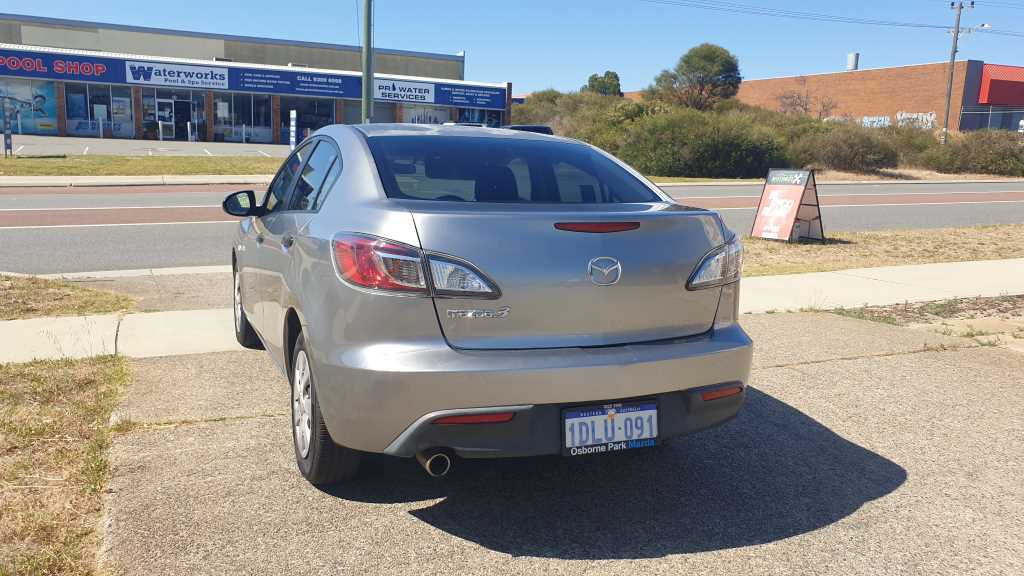
So, you're thinking about buying a 2010 Mazda 3 with a manual transmission? Or maybe you already have one and are experiencing some of the common issues that pop up with these reliable, but aging, cars. Either way, you've come to the right place. These Mazda 3s are fantastic drivers, offering a sporty and engaging experience that's hard to find in their class. However, like any car, especially one a decade old, they can have their quirks. Let's talk about what you might encounter and how to tackle it.
Common Issues and Their Solutions
The 2010 Mazda 3 manual transmission is generally robust, but certain problems are more prevalent than others. Here's a breakdown:
1. Clutch Wear and Failure
This is probably the most common issue you'll face. After years and thousands of miles, the clutch disc will eventually wear down, leading to slippage, difficulty shifting, and eventually, complete failure. Symptoms include:
- The engine revving higher than normal when accelerating (slippage).
- Difficulty getting the car into gear, especially first and reverse.
- A burning smell coming from the engine bay.
- The clutch pedal feeling different – either spongy or overly stiff.
Solution: Replacing the clutch is the only real solution. This is a moderately complex job, best left to a professional unless you're an experienced DIYer. You'll need to remove the transmission, which involves disconnecting various components and supporting the engine. Tools required include a good socket set, wrenches, jack stands, an engine support bar, and potentially a transmission jack.
Approximate Repair Cost: Expect to pay between $800 and $1500 for a clutch replacement at a shop. The cost of the parts themselves (clutch disc, pressure plate, throw-out bearing, pilot bearing) will likely be around $200-$400 depending on the brand you choose. While you're at it, it's a good idea to resurface or replace the flywheel too, which will add to the cost.
2. Transmission Mount Failure
The transmission mounts are rubber or polyurethane bushings that dampen vibrations and secure the transmission to the car's chassis. Over time, these mounts can degrade, crack, or even break, leading to excessive movement and noise.
Symptoms:
- Excessive vibration, especially at idle or during acceleration.
- Clunking noises coming from under the car, particularly when shifting gears or going over bumps.
- Difficulty shifting smoothly.
- Visible cracking or damage to the transmission mounts.
Solution: Replace the failed transmission mount(s). There are typically two or three mounts that support the transmission. Inspect them all carefully and replace any that show signs of wear or damage. This is a relatively straightforward job that can be done with basic tools.
Tools required: Socket set, wrenches, jack stands, and potentially a pry bar.
Approximate Repair Cost: A new transmission mount will typically cost between $30 and $100 each. Labor costs will vary depending on the shop, but it's generally a 1-2 hour job per mount, so expect to pay between $100 and $300 per mount if you have a shop do it.
3. Shifter Bushing Wear
The shifter linkage connects the gear lever in the cabin to the transmission. This linkage relies on bushings to provide smooth and precise shifting. Over time, these bushings can wear out, leading to sloppy shifting and difficulty finding gears.
Symptoms:
- The shifter feeling loose or wobbly.
- Difficulty finding the correct gear.
- Excessive play in the shifter.
- A general lack of precision when shifting.
Solution: Replace the worn shifter bushings. There are aftermarket polyurethane bushings available that offer improved durability and precision compared to the original rubber bushings. These can be installed with basic tools.
Tools Required: Socket set, wrenches, and potentially a small pry bar. Some kits might require a specialized tool for pressing in the new bushings.
Approximate Repair Cost: Shifter bushing kits typically cost between $20 and $50. Labor costs are relatively low, usually around $100-$200, as it's a fairly quick and easy job.
4. Synchronizer Wear
The synchronizers are responsible for matching the speeds of the gears during shifting, allowing for smooth and effortless gear changes. Over time, they can wear down, leading to grinding noises and difficulty shifting into specific gears, especially at higher RPMs.
Symptoms:
- Grinding noises when shifting into a particular gear.
- Difficulty getting the car into a specific gear, especially when shifting quickly.
- The need to force the shifter into gear.
Solution: Unfortunately, repairing or replacing worn synchronizers is a complex and expensive job that requires rebuilding the transmission. This involves disassembling the transmission, inspecting all the internal components, and replacing any worn or damaged parts, including the synchronizers. This is definitely a job for a professional.
Approximate Repair Cost: A transmission rebuild can cost anywhere from $1500 to $3000, depending on the extent of the damage and the shop you choose. Another option is to replace the entire transmission with a used or remanufactured unit, which might be a more cost-effective solution.
5. Transmission Fluid Leaks
Like any fluid-filled system, the transmission can develop leaks over time. These leaks can be caused by worn seals, damaged gaskets, or cracked housings. Low transmission fluid can lead to poor lubrication, overheating, and ultimately, transmission failure.
Symptoms:
- Visible leaks under the car.
- Low transmission fluid level.
- Difficulty shifting.
- Whining noises coming from the transmission.
Solution: Locate and repair the source of the leak. This might involve replacing a seal, gasket, or even the transmission housing. Regularly check the transmission fluid level and top it off as needed. Using the correct type of transmission fluid is critical.
Tools Required: Socket set, wrenches, jack stands, and potentially a torque wrench.
Approximate Repair Cost: The cost of repairing a transmission fluid leak can vary widely depending on the source of the leak. A simple seal replacement might cost a few hundred dollars, while a more complex repair could cost several hundred or even thousands of dollars. A transmission fluid change with the correct fluid type will likely be in the $100 - $200 range.
Preventative Maintenance is Key
The best way to avoid these problems is to perform regular preventative maintenance. This includes:
- Changing the transmission fluid every 30,000 to 60,000 miles, depending on driving conditions.
- Inspecting the transmission mounts and shifter bushings regularly.
- Driving smoothly and avoiding harsh shifting.
By taking good care of your 2010 Mazda 3 manual transmission, you can enjoy years of trouble-free driving. These cars are a blast to drive, and with a little bit of maintenance, they can be a reliable and rewarding ownership experience.
Disclaimer: This information is provided for general guidance only and should not be considered professional automotive advice. Always consult with a qualified mechanic for any repairs or maintenance on your vehicle. Prices are estimates and can vary depending on location and shop rates.
Good luck with your Mazda 3!