
2011 Ford Taurus Climate Control Module
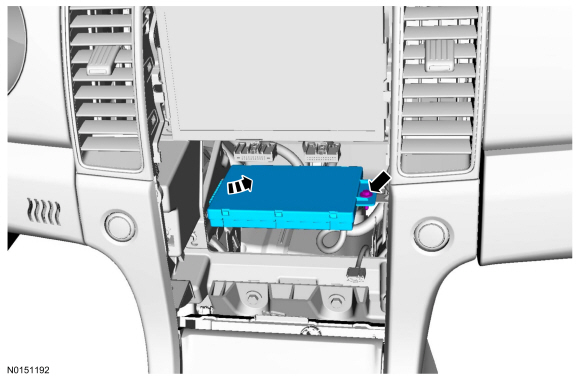
The 2011 Ford Taurus, like many modern vehicles, relies on a sophisticated climate control system to keep occupants comfortable. At the heart of this system lies the Climate Control Module (CCM), an electronic brain that manages temperature, airflow, and other essential functions. Understanding how this module works, its common failure points, and how to troubleshoot problems can save you time, money, and frustration. This article provides a practical guide for both car owners and mechanics on maintaining and troubleshooting the 2011 Ford Taurus CCM.
Maintenance: Keeping Your CCM Healthy
While the CCM itself doesn't require traditional maintenance like oil changes, preventative measures can extend its lifespan. The most significant factor is voltage stability. Consistent voltage spikes or drops can damage sensitive electronic components within the module. Therefore, regular battery health checks and ensuring a clean, tight battery terminal connection are crucial. A failing alternator can also cause voltage fluctuations that harm the CCM.
Another key area is the blower motor resistor/module. A failing blower motor resistor can put undue strain on the CCM, potentially leading to its failure. If you notice erratic blower motor speeds or the blower only working on certain settings (e.g., high only), address the blower motor resistor/module immediately. This is a common issue across many vehicles, including Ford F-150s and Honda Civics.
Troubleshooting: Identifying Common Problems
When the CCM malfunctions, it can manifest in various ways. Recognizing these symptoms is the first step to diagnosis:
- Symptom: No heat or AC. The system blows only ambient air, regardless of the temperature setting.
- Cause: This could indicate a complete CCM failure, a faulty temperature blend door actuator (which the CCM controls), or a problem with the HVAC control head itself.
- Solution: Check the CCM's power and ground connections. Use a diagnostic scan tool to check for DTCs (Diagnostic Trouble Codes) related to the CCM or HVAC system. Inspect the blend door actuator for proper operation.
- Symptom: Erratic temperature control. The temperature fluctuates randomly or doesn't match the selected setting.
- Cause: A failing temperature blend door actuator is a likely culprit. The CCM relies on feedback from sensors to regulate temperature. Faulty sensors can also provide incorrect data to the CCM, leading to erratic behavior. Sometimes, a software glitch within the CCM can also cause this.
- Solution: Use a scan tool to check for codes related to the blend door actuator or temperature sensors. Visually inspect the actuator for any signs of damage. Try disconnecting and reconnecting the battery for 15 minutes to reset the CCM and clear any temporary glitches.
- Symptom: Display issues on the HVAC control panel. The display is dim, flickering, or completely blank.
- Cause: A failing HVAC control head (the part you interact with in the dashboard) is the most common cause. Less frequently, a wiring issue between the CCM and the control head can be to blame.
- Solution: Check the wiring harness connecting the control head to the CCM. Test the control head itself using a multimeter to verify its functionality. If the control head is faulty, replacement is usually the best option.
- Symptom: Blower motor only works on one speed or not at all. (As mentioned before)
- Cause: Typically a failure of the blower motor resistor or blower motor control module. Sometimes a sign the CCM is beginning to fail as it may be sending incorrect signal.
- Solution: Test blower motor by bypassing the resistor/module to see if blower operates correctly. Check wiring and connectors to the blower motor resistor/module and the blower motor itself.
Real-World Issues and Solutions
One common real-world issue with the 2011 Ford Taurus CCM is related to the blend door actuator. Owners often report that the actuator clicks or makes a grinding noise, indicating a stripped gear. This can cause uneven heating or cooling, with warm air blowing on one side and cold air on the other. The solution is typically to replace the faulty blend door actuator. On some Taurus models, replacing the actuator can be challenging due to its location. Consider watching instructional videos or consulting a repair manual before attempting this repair yourself.
Another issue that arises is a "no communication" error code when using a diagnostic scan tool. This indicates that the scan tool cannot communicate with the CCM. This can stem from a blown fuse, a wiring problem, or a complete CCM failure. Start by checking the relevant fuses in the fuse box. If the fuses are good, use a multimeter to test the power and ground connections to the CCM. If power and ground are present, but the CCM still doesn't communicate, the CCM itself may be faulty.
Example: Imagine a scenario where a Taurus owner experiences intermittent AC failure. The AC works fine for a while, then suddenly stops blowing cold air. A scan tool reveals a code related to the evaporator temperature sensor. Replacing the sensor resolves the issue. This highlights the importance of using a scan tool to pinpoint the exact cause of the problem.
When to Replace the CCM
Replacing the CCM should be considered as a last resort, after thoroughly investigating all other potential causes. If the CCM is indeed faulty, you have a few options:
- New CCM: This is the most expensive option but offers the greatest assurance of reliability.
- Remanufactured CCM: A remanufactured CCM is a used unit that has been refurbished and tested. It's a more affordable alternative to a new CCM.
- Used CCM: A used CCM is the cheapest option but carries the highest risk. There's no guarantee of its condition or longevity.
Before replacing the CCM, ensure that you program it correctly to your vehicle. Most new and remanufactured CCMs require programming using a Ford diagnostic tool or a compatible aftermarket scan tool. Improper programming can lead to further problems.
Keeping Your Car in Top Condition
To maximize the lifespan and reliability of your 2011 Ford Taurus (and any vehicle), consider these tips:
- Regularly check and maintain your vehicle's battery and charging system.
- Address any warning lights or symptoms promptly. Ignoring small problems can lead to bigger, more expensive issues down the road.
- Follow the manufacturer's recommended maintenance schedule.
- Use quality replacement parts.
- Consider seeking professional help when dealing with complex electrical or electronic systems.
By understanding the workings of your 2011 Ford Taurus CCM and following these maintenance and troubleshooting tips, you can keep your climate control system functioning optimally and enjoy a comfortable driving experience for years to come.