
2011 Nissan Rogue Cvt Transmission Problems
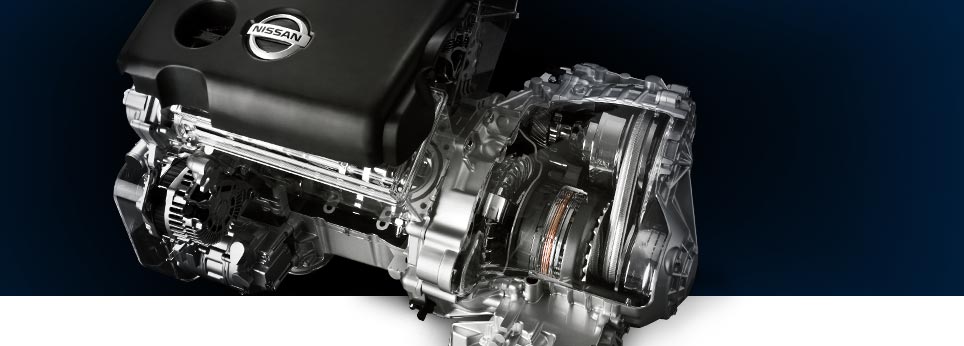
The 2011 Nissan Rogue, while generally a reliable compact SUV, is unfortunately known for its issues with the continuously variable transmission, or CVT. This article delves into the common problems experienced with the 2011 Rogue's CVT, potential causes, diagnostic tips, repair solutions, and preventative maintenance to help owners and technicians address these concerns.
Common 2011 Nissan Rogue CVT Problems
Several recurring issues plague the 2011 Rogue's CVT. Understanding these symptoms is crucial for early diagnosis and preventing further damage.
Slipping and Hesitation
One of the most frequently reported problems is CVT slippage, characterized by a delay in acceleration after pressing the gas pedal. This often feels like the engine is revving, but the vehicle isn't accelerating proportionally. In severe cases, the transmission might feel like it's slipping out of gear entirely. Hesitation can also manifest as a jerky or uneven acceleration, especially when attempting to merge onto a highway or climb a hill.
Shuddering or Vibrating
Many 2011 Rogue owners have reported experiencing a noticeable shuddering or vibrating, particularly at lower speeds (around 20-40 mph) or during light acceleration. This sensation can be subtle at first but progressively worsens over time. The vibration is often felt through the floorboards or steering wheel.
Overheating
The CVT in the 2011 Rogue is susceptible to overheating, especially under demanding driving conditions such as towing, prolonged high-speed driving, or stop-and-go traffic in hot weather. Overheating can damage the transmission's internal components and lead to premature failure. Symptoms of overheating might include a burning smell, sluggish performance, and the illumination of the transmission warning light.
Whining Noises
An unusual whining noise emanating from the transmission area is another common symptom. This noise typically increases with vehicle speed and can be indicative of worn bearings or other internal component damage within the CVT.
Transmission Warning Light
The transmission warning light on the dashboard is a clear indicator of a problem. When this light illuminates, it's crucial to have the vehicle diagnosed promptly to prevent further damage. The light can be triggered by various CVT-related issues, including overheating, low fluid level, or sensor malfunctions. Using an OBD-II scanner to read the diagnostic trouble codes (DTCs) is the first step in pinpointing the problem.
Potential Causes of CVT Problems
Understanding the underlying causes of these issues is critical for effective repair and prevention.
Degraded Transmission Fluid
The most common culprit behind CVT problems in the 2011 Rogue is degraded or contaminated transmission fluid. CVT fluid is specifically designed to provide lubrication, cooling, and friction for the transmission's internal components. Over time, the fluid can break down due to heat, oxidation, and contamination from wear particles. This loss of fluid integrity can lead to increased friction, overheating, and ultimately, transmission failure.
Valve Body Issues
The valve body is a complex hydraulic control unit within the CVT that regulates fluid flow to different parts of the transmission. Malfunctions in the valve body, such as sticking valves or clogged passages, can disrupt the transmission's ability to shift smoothly and efficiently, leading to slippage, shuddering, and other performance issues.
Torque Converter Problems
The torque converter acts as a fluid coupling between the engine and the transmission. It allows the engine to continue running even when the vehicle is stopped and provides torque multiplication for acceleration. Damage to the torque converter, such as worn bearings or a malfunctioning stator, can cause vibrations, slippage, and poor fuel economy.
Damaged or Worn Belt/Chain
The CVT relies on a belt or chain to transfer power between the input and output pulleys. Over time, this belt or chain can become worn, stretched, or damaged, leading to slippage and reduced performance. In severe cases, a broken belt or chain can cause catastrophic transmission failure.
Sensor Malfunctions
The CVT is controlled by a network of sensors that monitor various parameters, such as fluid temperature, input and output speeds, and throttle position. Malfunctioning sensors can send incorrect signals to the transmission control module (TCM), leading to erratic shifting, reduced performance, and the illumination of the transmission warning light.
Diagnostic Tips and Procedures
Accurate diagnosis is paramount for addressing CVT problems effectively. Here are some diagnostic tips and procedures for the 2011 Nissan Rogue:
Fluid Level and Condition Check
The first step is to check the CVT fluid level and condition. Use the dipstick (if equipped) or follow the manufacturer's procedure for checking the fluid level. The fluid should be at the correct level and have a clean, reddish-pink appearance. Dark, burnt-smelling fluid indicates degradation and the need for a fluid change.
OBD-II Scanning
Connect an OBD-II scanner to the vehicle's diagnostic port and retrieve any stored trouble codes. Common codes associated with CVT problems include P0744 (Torque Converter Clutch Circuit Intermittent), P0776 (Pressure Control Solenoid B Performance/Stuck Off), and P1778 (Step Motor Function). Researching these codes will provide clues to the source of the problem.
Test Drive and Observation
Perform a thorough test drive, paying close attention to the symptoms described earlier. Note when the slippage, shuddering, or whining noises occur. Observe the transmission's shifting behavior and any unusual vibrations. Monitor the engine temperature gauge to check for overheating.
Valve Body Inspection
If valve body issues are suspected, a more in-depth inspection may be necessary. This involves removing the valve body from the transmission and visually inspecting it for clogged passages, sticking valves, and other signs of damage. A professional mechanic is usually needed for this job.
Pressure Testing
Pressure testing the CVT can help identify internal leaks or valve body problems. This involves connecting a pressure gauge to specific test ports on the transmission and measuring the hydraulic pressure at different operating conditions.
Repair Solutions and Costs
The appropriate repair solution depends on the severity and underlying cause of the CVT problem.
CVT Fluid Change
In many cases, a simple CVT fluid change can resolve minor issues such as slippage or shuddering caused by degraded fluid. It's crucial to use the correct type of CVT fluid specified by Nissan (typically NS-2 or NS-3). The cost of a fluid change typically ranges from $150 to $300.
Valve Body Replacement or Repair
If the valve body is the source of the problem, it may need to be replaced or repaired. A replacement valve body can cost between $500 and $1500, plus labor. In some cases, it may be possible to rebuild the valve body by replacing individual components, but this requires specialized knowledge and tools.
Torque Converter Replacement
A damaged torque converter will require replacement. The cost of a new torque converter, including labor, can range from $800 to $2000.
CVT Rebuild or Replacement
In severe cases, the entire CVT may need to be rebuilt or replaced. A rebuild involves disassembling the transmission, inspecting all the internal components, replacing worn or damaged parts, and reassembling the transmission. A rebuilt CVT can cost between $2000 and $4000. A complete replacement, using a new or remanufactured unit, can cost upwards of $3000 to $6000, including labor.
Preventative Maintenance
Preventative maintenance is essential for maximizing the lifespan of the 2011 Rogue's CVT.
Regular Fluid Changes
The most important preventative measure is to perform regular CVT fluid changes. Nissan recommends changing the fluid every 30,000 miles under severe driving conditions or every 60,000 miles under normal driving conditions. However, many mechanics recommend more frequent changes, especially if you frequently tow or drive in hot weather.
Avoid Aggressive Driving
Avoid aggressive driving habits, such as hard acceleration and abrupt braking, which can put excessive strain on the CVT. Smooth, controlled driving will help prolong the transmission's lifespan.
Minimize Towing
Minimize towing with the 2011 Rogue, as the CVT is not designed for heavy towing loads. If you must tow, be sure to follow the manufacturer's recommendations for maximum towing capacity and use a transmission cooler to help prevent overheating.
Transmission Cooler Installation
Consider installing an external transmission cooler, especially if you frequently tow, drive in hot weather, or live in a mountainous region. A transmission cooler will help dissipate heat and keep the CVT fluid at a safe operating temperature.
Regular Inspections
Have your vehicle inspected by a qualified mechanic on a regular basis. They can check the CVT fluid level and condition, look for signs of leaks, and identify potential problems before they become major issues.
By understanding the common problems associated with the 2011 Nissan Rogue's CVT, performing regular maintenance, and addressing issues promptly, owners and technicians can help ensure the longevity and reliability of this critical component.