
2012 Ford Escape 3.0 Firing Order Diagram
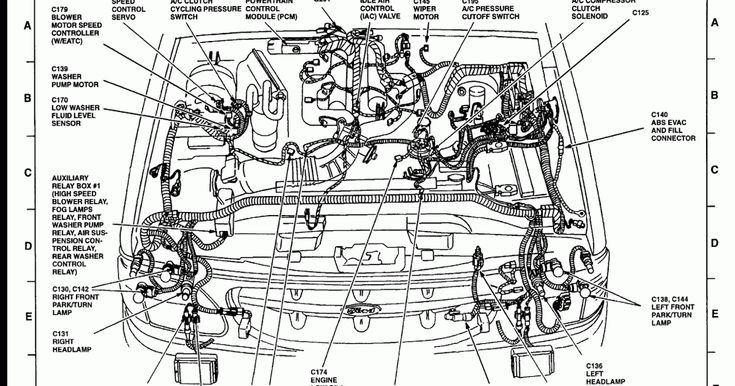
Understanding the firing order of an engine is crucial for anyone working on their car, whether you're a seasoned mechanic or a weekend warrior. This article focuses on the 2012 Ford Escape equipped with the 3.0L V6 engine, providing a clear and accessible explanation of its firing order diagram and its importance.
What is Firing Order and Why Does It Matter?
Imagine a symphony orchestra. To create harmonious music, each instrument must play its part at the right time and in the right sequence. Similarly, in an internal combustion engine, each cylinder needs to fire (combust the air-fuel mixture) in a specific order to ensure smooth and efficient operation. This sequence is called the firing order.
The firing order determines the sequence in which the engine's cylinders ignite. It’s more than just a random sequence; it's a carefully engineered pattern designed to minimize vibration, distribute stress evenly across the crankshaft, and optimize engine performance. Think of it like this: if you had six strong people pushing a merry-go-round, you wouldn’t want them all pushing at the same point simultaneously. You’d want them spaced out to provide a smoother, more consistent rotation.
Why is it so important? A correct firing order leads to:
- Smooth Engine Operation: Proper balance reduces vibrations and ensures a smoother ride.
- Optimal Performance: Efficient combustion in each cylinder translates to better fuel economy and power output.
- Reduced Engine Wear: Even distribution of stress minimizes wear and tear on engine components like the crankshaft and bearings.
- Preventing Backfires: Incorrect timing can lead to fuel igniting in the intake or exhaust manifold, resulting in backfires and potential damage.
Conversely, an incorrect firing order can cause:
- Rough idling
- Reduced power
- Poor fuel economy
- Engine misfires
- Potential engine damage
The 2012 Ford Escape 3.0L V6 Firing Order: 1-4-2-5-3-6
The 2012 Ford Escape with the 3.0L V6 engine has a firing order of 1-4-2-5-3-6. This means that cylinder number 1 fires first, followed by cylinder number 4, then cylinder number 2, and so on. Understanding this sequence is critical when performing tasks like replacing spark plugs, distributor cap (if applicable), or troubleshooting misfires.
To properly apply this firing order, you need to know the cylinder numbering convention. On most V-engines, including the 3.0L V6 in the Escape, the cylinders are numbered sequentially along each bank. Typically, bank 1 is the bank containing cylinder number 1, and it's usually the bank closest to the firewall or the rear of the vehicle. The cylinder numbers then proceed down that bank, usually from front to back. The other bank (bank 2) follows a similar pattern. The exact orientation can vary slightly depending on the specific engine design, so consulting a repair manual is always a good idea.
Understanding the Firing Order Diagram
A firing order diagram is a visual representation of the firing sequence, combined with cylinder numbering and the location of spark plug wires (if applicable). It's essentially a roadmap for the engine's ignition system.
While the 2012 Escape 3.0L V6 uses a coil-on-plug ignition system (meaning each spark plug has its own dedicated ignition coil), understanding diagrams from older vehicles with distributors can still be helpful for conceptualizing the firing order.
In a distributor-based system (like those found in older Mustangs or Camaros), the distributor cap has terminals corresponding to each cylinder. The firing order diagram would show which terminal on the distributor cap connects to which spark plug. The distributor rotor spins inside the cap, making contact with each terminal in the correct firing order, delivering the spark to the appropriate cylinder.
Even with coil-on-plug ignition, understanding the cylinder numbering and the 1-4-2-5-3-6 sequence is vital. If you are diagnosing a misfire, you need to know which coil corresponds to which cylinder to test or replace the correct component.
Practical Application: Diagnosing a Misfire
Let’s say your 2012 Ford Escape 3.0L is experiencing a misfire on cylinder #3. Here's how the firing order knowledge comes into play:
- Identify Cylinder #3: Determine the location of cylinder number 3. As mentioned earlier, this usually requires consulting a repair manual or online resources specific to your engine.
- Inspect the Ignition Coil: Locate the ignition coil connected to cylinder #3's spark plug. Carefully inspect the coil for any signs of damage, such as cracks, leaks, or corrosion.
- Test the Coil: Using a multimeter, test the coil's primary and secondary resistance to see if it falls within the manufacturer's specifications. If the coil is faulty, replace it.
- Check the Spark Plug: Remove the spark plug from cylinder #3 and inspect its condition. Look for signs of fouling, damage, or excessive wear. A worn or damaged spark plug can also cause a misfire. Replace the spark plug if necessary.
- Consider Other Potential Causes: If the ignition coil and spark plug are in good condition, the misfire might be caused by other issues, such as a faulty fuel injector, a vacuum leak, or low compression in that cylinder. Further diagnosis may be required.
Important Note: Always disconnect the negative battery cable before working on any electrical components in your vehicle. This will prevent accidental shorts and potential injury.
Common Mistakes to Avoid
When working with firing orders, it’s easy to make mistakes. Here are a few common pitfalls to avoid:
- Misidentifying Cylinder Numbers: Double-check the cylinder numbering convention for your specific engine. Don’t assume it’s the same as another V6 engine, even from Ford.
- Ignoring the Firing Order: Simply replacing parts without considering the firing order can lead to further problems. Always verify the correct sequence before making changes.
- Forgetting to Disconnect the Battery: Working on the ignition system with the battery connected is a recipe for disaster.
- Over-tightening Spark Plugs: Over-tightening can damage the cylinder head. Use a torque wrench and follow the manufacturer's specifications.
Practical Takeaways
Understanding the firing order of your 2012 Ford Escape 3.0L V6 engine provides you with valuable knowledge for:
- Diagnosing and troubleshooting engine problems: Especially misfires.
- Performing routine maintenance: Such as spark plug replacement.
- Improving engine performance: By ensuring proper ignition timing.
- Preventing potential engine damage: By addressing ignition-related issues promptly.
While modern vehicles like the 2012 Ford Escape use coil-on-plug ignition systems, the fundamental principles of firing order remain the same. By understanding the sequence in which your engine's cylinders fire, you can become a more informed and capable car owner, capable of tackling a wider range of automotive tasks with confidence. Always refer to your vehicle's repair manual for specific instructions and diagrams related to your engine.
Remember, knowledge is power. Understanding the firing order of your engine empowers you to diagnose problems more accurately, perform maintenance more effectively, and ultimately, keep your 2012 Ford Escape running smoothly for years to come. Always double check information with a reliable repair manual.