
2012 Honda Accord Air Conditioning Recharge
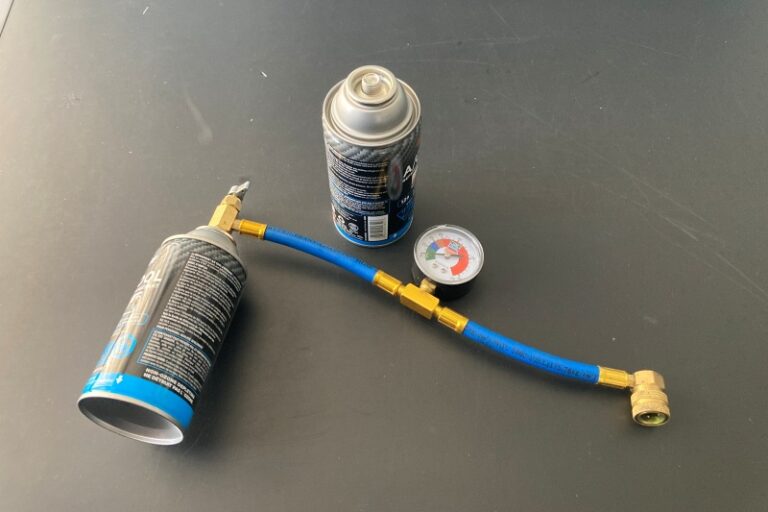
The 2012 Honda Accord, a staple of the mid-size sedan market, features a robust air conditioning system. Understanding its intricacies is crucial for automotive professionals to provide effective diagnostics and repair. This article delves into the technical specifications, engineering choices, performance, and maintenance of the 2012 Accord's AC system, comparing it to alternatives and looking toward future trends.
Technical Specifications and Engineering Choices
The 2012 Accord typically utilizes the R-134a refrigerant, a hydrofluorocarbon (HFC) commonly found in vehicles manufactured before the widespread adoption of R-1234yf. The refrigerant charge is typically around 16-18 ounces (approximately 450-510 grams), but always refer to the vehicle's specific under-hood sticker for accurate information. The system incorporates a Denso compressor, known for its reliability and efficiency. The compressor is usually a variable displacement type, allowing for modulated cooling output based on demand, thus improving fuel efficiency. The expansion valve, located near the evaporator core, regulates refrigerant flow to control evaporator temperature.
Honda's engineering choices reflect a balance between performance, cost, and environmental considerations. Using R-134a, while less environmentally friendly than newer refrigerants, offered a cost-effective and proven solution at the time. The variable displacement compressor aimed to improve fuel economy, a key selling point for the Accord. The Denso components were selected for their longevity and performance characteristics.
Real-World Performance and Comparison
In real-world conditions, the 2012 Accord's AC system provides adequate cooling in most climates. However, it can struggle in extremely hot environments, especially if the system isn't properly maintained. Compared to some competitors using larger compressors or different system designs, the Accord's cooling capacity might be perceived as slightly less robust in severe heat.
Compared to other manufacturers of the time, Honda's AC system design was generally considered reliable. Some manufacturers opted for more complex systems with multiple evaporators or rear AC units, increasing complexity and potential failure points. Honda prioritized simplicity and reliability, resulting in a system that, when properly maintained, typically offers years of dependable service. However, cheaper aftermarket components can significantly impact performance. Using a non-OEM compressor, for example, might result in reduced cooling capacity or premature failure.
Pros and Cons
Pros:
- Reliability: Denso components and a relatively simple design contribute to good overall reliability.
- Efficiency: The variable displacement compressor helps optimize fuel economy.
- Ease of Service: R-134a is widely available and relatively inexpensive to recharge.
Cons:
- Cooling Capacity: May struggle in extremely hot conditions.
- R-134a Refrigerant: Less environmentally friendly compared to newer alternatives.
- Sensitivity to Maintenance: Neglecting maintenance can significantly impact performance and longevity.
Reliability Aspects and Maintenance Tips
The most common issues affecting the 2012 Accord's AC system include refrigerant leaks, compressor failure, and evaporator core problems. Leaks often occur at O-rings and connections. Compressor failure can result from low refrigerant levels, overheating, or internal wear. Evaporator core leaks are less common but can be expensive to repair due to the component's location.
Maintenance is crucial. Regular AC service should include:
- Refrigerant Level Check: Ensure proper refrigerant charge.
- Leak Detection: Use a leak detector to identify and repair leaks.
- Compressor Inspection: Check for unusual noises or vibrations.
- Condenser Cleaning: Remove debris from the condenser to ensure proper airflow.
- Cabin Air Filter Replacement: A clogged cabin air filter restricts airflow and reduces cooling efficiency.
Properly diagnosing issues requires specialized tools such as manifold gauge sets, leak detectors (electronic and UV dye), and potentially an AC system analyzer. Paying attention to pressure readings and temperature differentials can help pinpoint the source of the problem.
Future Trends and Automotive Industry Outlook
The automotive industry is rapidly transitioning to more environmentally friendly refrigerants such as R-1234yf and, eventually, even more advanced options like CO2 (R-744). These refrigerants have a significantly lower global warming potential (GWP) compared to R-134a. As older vehicles like the 2012 Accord age, retrofitting to newer refrigerants becomes a topic of discussion. However, retrofitting R-134a systems with R-1234yf is generally not recommended due to significant system modifications and safety concerns related to R-1234yf's mild flammability.
Electric vehicles (EVs) and hybrid vehicles are also driving changes in AC system design. EVs often use electric compressors and heat pumps to provide cooling and heating, increasing efficiency and reducing reliance on the internal combustion engine. These advancements will likely trickle down to conventional vehicles as well, leading to more efficient and environmentally friendly AC systems in the future.
The automotive service industry will need to adapt to these changes by investing in training, equipment, and knowledge to effectively diagnose and repair the next generation of AC systems. Understanding the fundamentals of refrigeration cycles, refrigerant properties, and system components will remain essential, but technicians will also need to become proficient in working with new technologies and refrigerants.