
2013 Dodge Durango Win Module Replacement
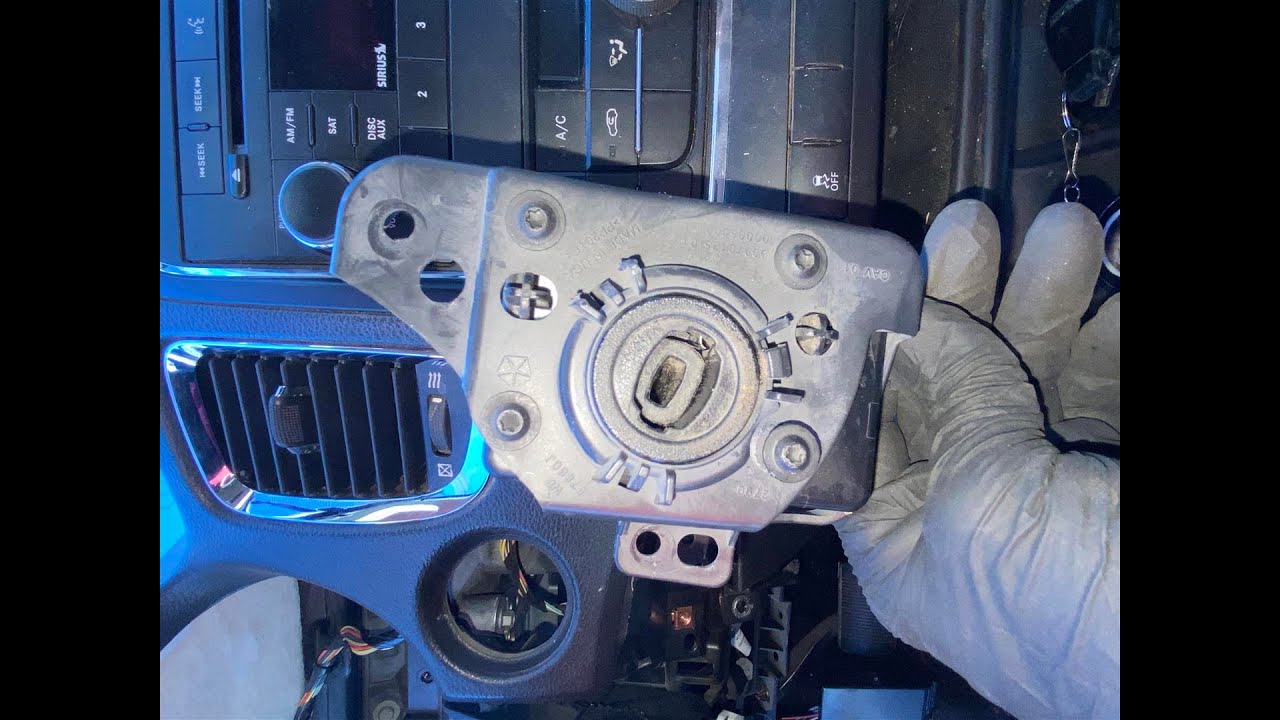
The Wireless Ignition Node Module, or WIN module, is a critical component in many modern vehicles, including the 2013 Dodge Durango. It's essentially the brain behind the ignition system and keyless entry, responsible for recognizing your key fob, authorizing the start sequence, and controlling other related functions. When it malfunctions, it can leave you stranded or experiencing a frustrating array of electrical gremlins. This article dives into the common issues with the 2013 Dodge Durango WIN module, providing troubleshooting tips and practical solutions for both car owners and mechanics.
Common Symptoms of a Failing WIN Module
Identifying a failing WIN module can be tricky, as the symptoms can overlap with other electrical problems. However, some telltale signs include:
- No Start Condition: This is perhaps the most common symptom. You insert the key fob, but the engine simply won't crank. You might hear a click, or nothing at all.
- Intermittent Starting Issues: The vehicle might start sometimes but fail to start on other occasions, even with a fully charged battery. This can be incredibly frustrating and unreliable.
- Key Fob Not Recognized: The vehicle may fail to recognize the key fob, preventing you from starting the car, locking/unlocking the doors, or using the panic button. You might see a "Key Not Detected" message on the dashboard.
- Security Light Illumination: The security light on the dashboard might stay illuminated or flash erratically, indicating a problem with the security system.
- Remote Start Issues: If your Durango is equipped with remote start, it may stop functioning correctly or become completely unresponsive.
- Erratic Electrical Behavior: In some cases, a failing WIN module can cause other electrical issues, such as flickering lights, malfunctioning power windows, or problems with the radio.
Troubleshooting the 2013 Dodge Durango WIN Module
Before jumping to the conclusion that the WIN module is faulty, it's essential to rule out other potential causes. Here’s a step-by-step troubleshooting approach:
- Check the Battery: A weak battery can cause a multitude of electrical problems, including issues that mimic a failing WIN module. Make sure the battery is fully charged and in good condition. A load test can help determine its health.
- Inspect the Key Fob Battery: Ensure the battery in your key fob is fresh. A weak fob battery can prevent the vehicle from recognizing the key.
- Check Fuses and Relays: Consult your owner's manual for the location of the fuses and relays related to the ignition system and security system. Inspect them for damage or corrosion. A blown fuse can often be the culprit.
- Scan for Diagnostic Trouble Codes (DTCs): Use an OBD-II scanner to check for any stored trouble codes. Codes related to the WIN module, key fob, or security system can provide valuable clues. Common codes might include B1A27 (WIN Ignition Authorization Start Signal Circuit) or B1A29 (WIN Skim Key Not Programmed). Note: A basic code reader might not pick up all relevant codes. A scanner with enhanced diagnostics for Chrysler vehicles is recommended.
- Check Wiring and Connectors: Carefully inspect the wiring and connectors leading to the WIN module for any signs of damage, corrosion, or loose connections.
- Try a Second Key Fob: If you have a second key fob, try using it to start the vehicle. If the second fob works, the problem is likely with the original fob, not the WIN module.
WIN Module Replacement: A Practical Guide
If troubleshooting points towards a faulty WIN module, replacement might be necessary. This is a complex procedure that often requires specialized tools and programming. It’s generally recommended to have this done by a qualified mechanic. However, here’s an overview of the process:
- Disconnect the Battery: Always disconnect the negative battery cable before working on any electrical components.
- Locate the WIN Module: The WIN module is typically located near the ignition switch, behind the steering column trim. Refer to a repair manual or online resource for the exact location.
- Remove the Steering Column Trim: Carefully remove the steering column trim to access the WIN module.
- Disconnect the Electrical Connectors: Disconnect the electrical connectors from the WIN module.
- Remove the Old WIN Module: Remove the screws or fasteners that secure the WIN module to the steering column.
- Install the New WIN Module: Install the new WIN module and secure it with the screws or fasteners.
- Connect the Electrical Connectors: Connect the electrical connectors to the new WIN module.
- Reinstall the Steering Column Trim: Reinstall the steering column trim.
- Reconnect the Battery: Reconnect the negative battery cable.
- Program the New WIN Module: This is the crucial step. The new WIN module must be programmed to the vehicle's computer using a scan tool that is compatible with Chrysler vehicles and has the ability to perform key programming. This process involves communicating with the vehicle's security system and transferring the necessary data to the new WIN module. Some locksmiths may also offer this service.
- Test the System: After programming, test the system to ensure that the vehicle starts and all key fob functions are working correctly.
Important Considerations:
- OEM vs. Aftermarket: When replacing the WIN module, it's generally recommended to use an OEM (Original Equipment Manufacturer) part or a high-quality aftermarket replacement specifically designed for the 2013 Dodge Durango. Cheaper aftermarket parts may have compatibility issues or reduced reliability.
- Programming Requirements: As mentioned earlier, programming is absolutely essential. A new WIN module will not function without proper programming.
Real-World Examples and Similar Issues in Other Vehicles
WIN module failures are not unique to the 2013 Dodge Durango. Similar issues can occur in other Chrysler, Dodge, Jeep, and Ram vehicles that use the same type of system. For example:
- Chrysler 300: Models from the same era (2011-2014) often exhibit similar symptoms related to the WIN module.
- Jeep Grand Cherokee: Grand Cherokees from 2011-2013 are also prone to WIN module failures.
- Dodge Charger: Like the 300, Chargers in the 2011-2014 range share similar WIN module vulnerabilities.
The underlying causes are often the same: wear and tear, exposure to moisture, electrical surges, or manufacturing defects.
Preventative Maintenance and Tips for Longevity
While you can't completely prevent a WIN module failure, you can take steps to minimize the risk and extend its lifespan:
- Protect Your Key Fob: Avoid exposing your key fob to extreme temperatures, moisture, or physical damage.
- Maintain a Healthy Battery: A weak battery can put strain on the electrical system, potentially contributing to WIN module problems. Ensure your battery is properly maintained.
- Address Electrical Issues Promptly: If you notice any electrical problems, such as flickering lights or intermittent starting issues, have them diagnosed and repaired promptly to prevent further damage.
- Regular Check-ups: Include a comprehensive electrical system check in your routine maintenance schedule.
By understanding the symptoms, troubleshooting steps, and replacement procedure for the 2013 Dodge Durango WIN module, car owners and mechanics can effectively diagnose and resolve these issues, keeping their vehicles running smoothly and reliably.