
2014 Chevy Cruze Valve Cover Torque Specs
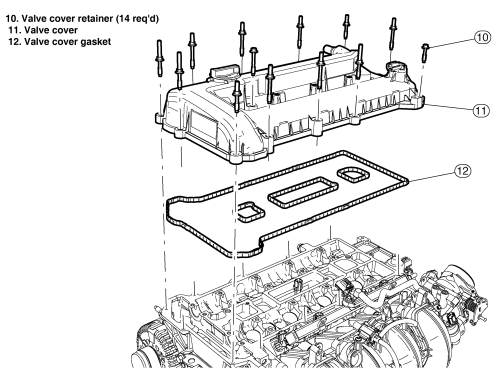
The 2014 Chevrolet Cruze remains a popular choice for its fuel efficiency and compact size. However, like all vehicles, it requires regular maintenance to ensure optimal performance. One crucial aspect of engine maintenance is properly torquing the valve cover. This article provides detailed torque specifications for the 2014 Chevy Cruze valve cover, along with essential information for both DIY enthusiasts and professional mechanics.
Understanding the Importance of Proper Valve Cover Torque
The valve cover seals the top of the engine's cylinder head, preventing oil leaks and protecting the valvetrain components – including the camshaft, rocker arms, and valves – from debris and contamination. Proper torque is critical; undertightening can lead to oil leaks, while overtightening can damage the valve cover, the gasket, or even the cylinder head itself. A warped or cracked valve cover can necessitate costly repairs.
2014 Chevy Cruze Valve Cover Torque Specs: 1.8L and 1.4L Engines
The 2014 Chevy Cruze typically comes with two engine options: a 1.8-liter naturally aspirated engine and a 1.4-liter turbocharged engine. The torque specifications for the valve cover bolts differ slightly between the two.
- 1.8L Engine (LUW/2H0): The valve cover bolts should be torqued to 89 lb-in (10 Nm).
- 1.4L Turbo Engine (LUJ/A14NET): The valve cover bolts should be torqued to 80 lb-in (9 Nm).
Important Note: Always refer to the specific repair manual for your vehicle. While this information is generally accurate, variations may exist based on the vehicle's specific build date or regional specifications. Using the correct torque specification is essential for preventing damage.
Step-by-Step Procedure for Valve Cover Installation and Torqueing
Before beginning any work on your vehicle, disconnect the negative battery cable. This prevents accidental electrical shocks. Also, allow the engine to cool completely before removing the valve cover.
- Remove the Old Valve Cover: Carefully disconnect any hoses, wiring harnesses, or other components attached to the valve cover. Remove the bolts in a crisscross pattern to evenly release pressure.
- Clean the Mating Surfaces: Thoroughly clean the cylinder head mating surface and the valve cover sealing surface. Remove any old gasket material or debris. Use a solvent or cleaner specifically designed for this purpose.
- Install the New Gasket: Install a new valve cover gasket. Ensure it's properly seated in the groove on the valve cover. Some gaskets may require a sealant to be applied. Refer to the gasket manufacturer's instructions.
- Position the Valve Cover: Carefully position the valve cover onto the cylinder head, aligning the bolt holes.
- Install and Torque the Bolts: Install the valve cover bolts by hand, tightening them slightly. Then, using a properly calibrated torque wrench, torque the bolts to the specified value (89 lb-in for the 1.8L or 80 lb-in for the 1.4L) in a crisscross pattern. This ensures even pressure distribution and prevents warping. It's crucial to use an inch-pound torque wrench for this task, as foot-pound wrenches are not accurate enough at these low torque values.
- Reconnect Components: Reconnect any hoses, wiring harnesses, or other components that were disconnected earlier.
- Reconnect Battery and Test: Reconnect the negative battery cable. Start the engine and check for any leaks around the valve cover.
Common Problems and Maintenance Tips
A common issue with the 2014 Chevy Cruze is valve cover gasket leaks, especially as the vehicle ages. Signs of a leak include oil stains on the engine, a burning oil smell, and low oil levels. Replacing the valve cover gasket is often a straightforward repair, but proper torqueing is crucial for a lasting fix.
Consider these tips to prolong the life of your valve cover and gasket:
- Use Quality Parts: Always use a high-quality valve cover gasket from a reputable manufacturer.
- Regular Oil Changes: Regular oil changes help prevent sludge buildup, which can contribute to gasket leaks.
- Inspect Regularly: Periodically inspect the valve cover for any signs of leaks or damage.
Conclusion
Properly torquing the valve cover on your 2014 Chevy Cruze is an essential part of engine maintenance. By following the correct torque specifications and procedures outlined in this article, you can help prevent oil leaks, protect your engine, and ensure its longevity. Remember to always consult your vehicle's repair manual for specific instructions and torque values, and don't hesitate to seek professional assistance if you're not comfortable performing this task yourself. Ignoring these critical steps can lead to more significant and costly repairs down the road.