
2014 Nissan Altima Ac Compressor
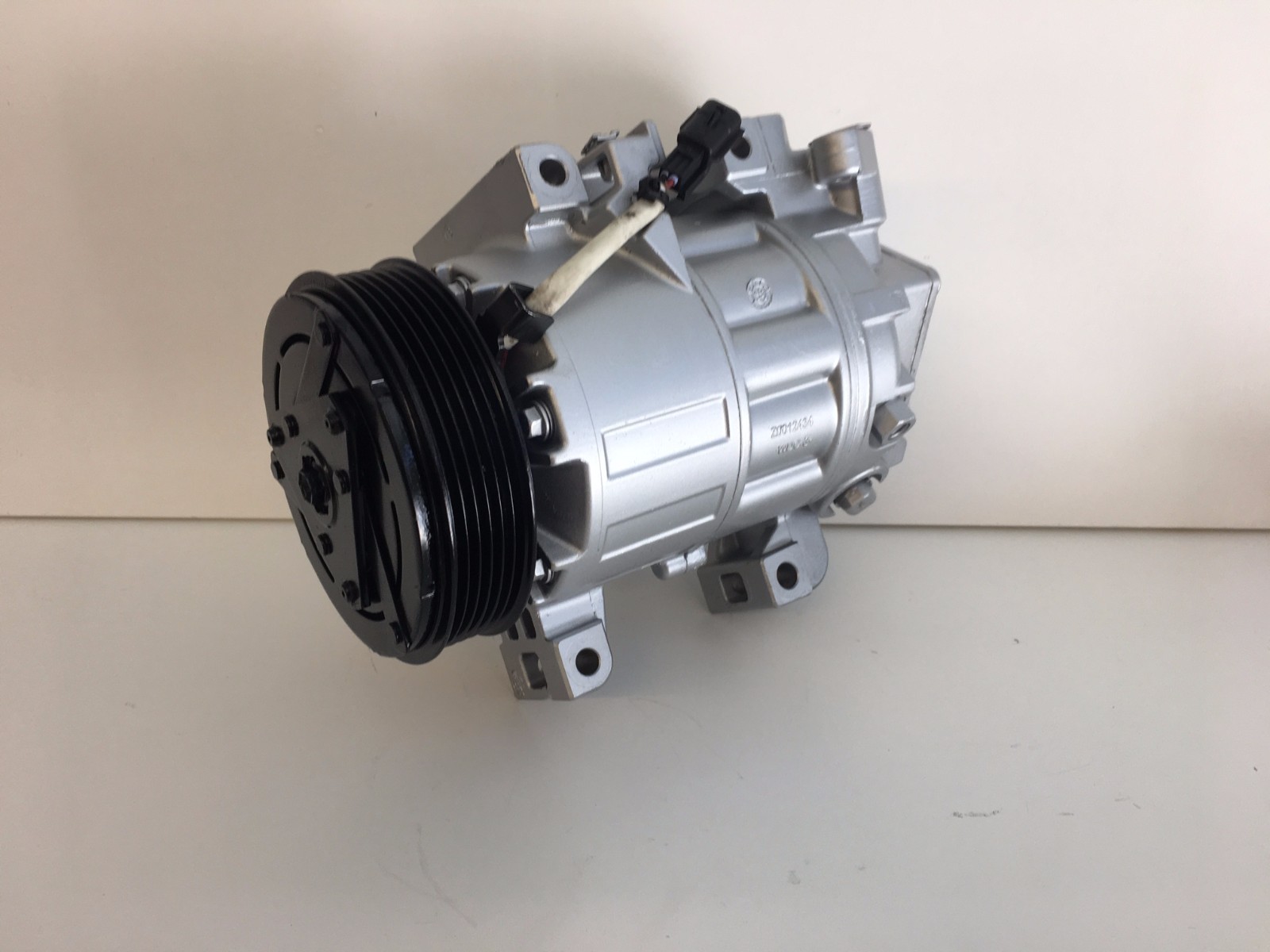
The air conditioning (A/C) system in your 2014 Nissan Altima is a vital component, especially during hot weather. At the heart of this system lies the A/C compressor, responsible for circulating refrigerant and enabling the cooling process. Understanding how this compressor functions, common issues it faces, and potential repair solutions can empower you to maintain your Altima's comfort and potentially save on costly repairs.
Understanding the A/C Compressor: The Heart of the Cooling System
The A/C compressor is essentially a pump. It takes low-pressure, gaseous refrigerant from the evaporator (located inside the cabin) and compresses it into a high-pressure, high-temperature gas. This compressed refrigerant then flows to the condenser (usually located in front of the radiator), where it releases heat and transforms into a high-pressure liquid. Finally, it goes through the expansion valve/orifice tube and back to the evaporator to complete the cooling cycle.
Think of it like a water pump in your engine’s cooling system. The water pump circulates coolant, while the A/C compressor circulates refrigerant. Without a functioning compressor, the A/C system simply cannot cool the air effectively. Just as a failed water pump can lead to overheating, a failed A/C compressor leads to unbearable heat inside your car. The 2014 Altima's compressor, like those in many modern vehicles, is often a variable displacement type, allowing for more efficient operation.
Variable Displacement Explained
Unlike older A/C compressors that were either fully on or fully off, variable displacement compressors can adjust their output based on the cooling demand. This means they can provide just the right amount of refrigerant flow, improving fuel economy and reducing wear and tear on the compressor itself. These compressors achieve this by internally adjusting the angle of a swashplate or wobble plate, changing the stroke of the pistons inside. A control valve, typically an electronic valve controlled by the car's ECU (Engine Control Unit), dictates this angle. Some older systems, like those found in older Ford Mustangs (before the late 2000s), used a simple on/off clutch system, which was less efficient.
The 2014 Altima’s compressor is driven by the engine through a belt and pulley system. When the A/C is turned on, the ECU sends a signal to the compressor clutch, engaging it and connecting the compressor to the engine's crankshaft, causing it to rotate and begin compressing refrigerant. If the system uses a clutchless design, a solenoid or other mechanism controls the refrigerant flow directly. The critical point is that this entire process starts with that reliable compressor. The type of refrigerant used is R-134a.
Common Problems with the 2014 Nissan Altima A/C Compressor
Several factors can contribute to A/C compressor failure in a 2014 Nissan Altima. Here are some of the most common issues:
- Refrigerant Leaks: Leaks are a very common culprit. Over time, seals and hoses can degrade, leading to refrigerant loss. Low refrigerant levels can cause the compressor to work harder, eventually leading to failure. It can also cause damage to internal components.
- Compressor Clutch Failure: If your Altima uses a clutch system, the clutch can wear out or fail. This prevents the compressor from engaging, resulting in no cold air. You might hear a clicking sound when the A/C is turned on, but the compressor won’t spin.
- Internal Compressor Damage: Debris, contamination, or lack of lubrication can cause internal damage to the compressor's pistons, valves, or other components. This can result in noise, reduced cooling capacity, or complete compressor failure. This is often a "domino effect" situation, where an initial small issue cascades into a major failure.
- Electrical Issues: Problems with the wiring, relays, or control module can prevent the compressor from receiving power or the correct signals, causing it to malfunction.
- Blocked or Damaged Condenser: A blocked or damaged condenser prevents proper heat exchange, placing extra strain on the compressor. This can lead to overheating and premature failure.
- Overcharging the System: Too much refrigerant can also damage the compressor. It causes the compressor to work too hard, potentially causing internal damage.
These problems are not unique to the Altima; similar issues plague A/C systems in many other vehicles, from Hondas to BMWs. For example, refrigerant leaks are a common issue in older Honda Civics, while compressor clutch failures are sometimes observed in older Chevrolet trucks.
Diagnosing A/C Compressor Problems
Before replacing the A/C compressor, it’s crucial to accurately diagnose the problem. Here are some steps you can take:
- Check the Refrigerant Level: Use a manifold gauge set to check the high and low-side pressures. Low refrigerant levels often indicate a leak. Safety First: Wear safety glasses and gloves when working with refrigerant.
- Inspect the Compressor Clutch: With the engine running and the A/C turned on, observe the compressor clutch. Is it engaging? If not, check the clutch relay and wiring. You can often bypass the relay for a brief test, but be careful not to damage the electrical system.
- Listen for Unusual Noises: A failing compressor may produce loud squealing, grinding, or knocking noises. These noises are often indicative of internal damage.
- Check for Leaks: Use a UV dye and a UV light to identify refrigerant leaks. Alternatively, an electronic refrigerant leak detector can be used. Look for oily residue near fittings and connections.
- Scan for Error Codes: Use an OBD-II scanner to check for any A/C-related error codes. These codes can provide valuable clues about the problem.
- Test the Compressor's Electrical Connections: Check the voltage and ground connections to the compressor. A faulty connection can prevent the compressor from operating properly.
It's also essential to rule out other potential causes, such as a faulty pressure switch, a clogged expansion valve/orifice tube, or a malfunctioning blend door actuator (which controls the flow of hot and cold air into the cabin).
Consider seeking the help of a qualified A/C technician if you are not comfortable performing these tests yourself. Mishandling refrigerant can be dangerous and environmentally damaging.
Repair and Replacement Options
Depending on the diagnosis, there are several repair and replacement options for a 2014 Nissan Altima A/C compressor:
- Refrigerant Recharge: If the refrigerant level is low due to a small leak, a recharge might temporarily restore cooling. However, it's essential to address the leak to prevent future problems.
- Compressor Clutch Replacement: If the clutch is faulty but the compressor itself is still in good condition, you may be able to replace just the clutch.
- A/C Compressor Replacement: If the compressor is internally damaged or completely failed, replacement is usually the best option. Consider using a remanufactured or rebuilt compressor as a cost-effective alternative to a new one, though factor in the warranty.
- System Flush: Whenever replacing the compressor, it's crucial to flush the A/C system to remove any debris or contaminants that may have accumulated. This prevents damage to the new compressor and other components.
- Component Replacement: Consider replacing the receiver drier (also known as an accumulator) whenever the system is opened. The receiver drier removes moisture from the system and protects the compressor. Also, if there is heavy contamination, consider replacing the condenser too.
Replacing an A/C compressor can be a complex job, especially if the system needs to be evacuated and recharged. It's best left to a qualified technician unless you have the necessary tools, knowledge, and experience. Improper installation or refrigerant handling can damage the system and release harmful substances into the environment.
Preventative Maintenance Tips
Here are some preventative maintenance tips to help prolong the life of your 2014 Nissan Altima's A/C compressor:
- Run the A/C Regularly: Even during the winter months, run the A/C for a few minutes each month to keep the compressor lubricated and the seals from drying out.
- Inspect the System Regularly: Check the A/C system for leaks, unusual noises, or reduced cooling performance. Address any problems promptly to prevent further damage.
- Keep the Condenser Clean: Clean the condenser fins regularly to ensure proper airflow and heat exchange. Use a soft brush or a garden hose to remove dirt and debris.
- Have the System Serviced Regularly: Have the A/C system serviced by a qualified technician every few years to check the refrigerant level, inspect the components, and perform any necessary maintenance.
- Avoid Overcharging the System: Only add refrigerant if necessary, and always follow the manufacturer's recommendations. Overcharging the system can damage the compressor.
Practical Takeaways for the 2014 Altima Owner
Here's what you should do with this newfound knowledge:
- Be Aware of Symptoms: Pay attention to any unusual noises, reduced cooling performance, or warning lights related to the A/C system. Catching problems early can save you money in the long run.
- Regular Inspections: Make it a habit to visually inspect the A/C components when you check your engine oil and other fluids. Look for leaks, corrosion, or other signs of damage.
- Don't Ignore Leaks: If you suspect a refrigerant leak, have it repaired as soon as possible. Continued refrigerant loss can lead to compressor damage and other problems.
- Seek Professional Help When Needed: If you're not comfortable working on the A/C system yourself, don't hesitate to seek the help of a qualified technician. A/C systems are complex and require specialized tools and knowledge.
- Document Repairs: Keep records of all A/C repairs and maintenance. This can help you track any recurring issues and provide valuable information to your mechanic.
By understanding how your 2014 Nissan Altima's A/C compressor works, recognizing common problems, and following preventative maintenance tips, you can keep your car cool and comfortable for years to come. Like other modern car systems, your Nissan's AC is complex and requires professional maintenance.