
2014 Nissan Maxima Transmission Fluid Capacity
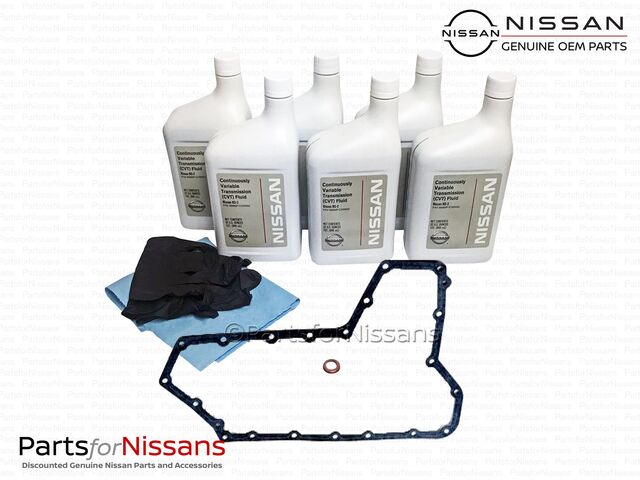
The 2014 Nissan Maxima, a stylish and comfortable sedan, relies on a properly functioning transmission for smooth gear changes and overall driving performance. Maintaining the correct transmission fluid level and condition is absolutely crucial for its longevity. This article will guide car owners and mechanics through understanding the 2014 Nissan Maxima's transmission fluid capacity, maintenance procedures, common issues, and troubleshooting tips, all with a practical, real-world approach.
Understanding Transmission Fluid Capacity
Knowing the transmission fluid capacity of your 2014 Nissan Maxima is the first step in ensuring proper maintenance. For the 2014 Maxima with the Continuously Variable Transmission (CVT), the approximate fluid capacity is around 9-10 quarts when completely dry (e.g., after a transmission rebuild). However, a typical drain and refill will only require around 4-5 quarts. It's essential to consult your owner's manual or a reliable service manual for the exact specification for your specific model. Don't rely solely on generic online figures, as variations can exist.
Why is Capacity Important? Underfilling can lead to insufficient lubrication, causing increased friction, heat, and ultimately, premature transmission wear. Overfilling, on the other hand, can result in fluid aeration (foaming), which reduces its lubricating properties and can cause leaks due to increased pressure. Both scenarios can lead to costly repairs.
Transmission Fluid Maintenance: A Proactive Approach
Regular transmission fluid maintenance is the key to preventing major problems. Here's a breakdown of the recommended maintenance schedule and procedures:
Recommended Service Intervals
Nissan typically recommends a transmission fluid service (drain and refill) every 30,000 to 60,000 miles for the 2014 Maxima, depending on driving conditions. If you frequently tow, drive in heavy traffic, or live in a hot climate, more frequent servicing is advisable. Consult your owner's manual for the specific "severe service" schedule.
Drain and Refill Procedure
This is a relatively straightforward procedure that can be performed by a DIY enthusiast with some mechanical knowledge or, preferably, by a qualified mechanic. Here's a general overview:
- Preparation: Gather the necessary tools: wrench for the drain plug, funnel, drain pan, new transmission fluid (specifically formulated for Nissan CVTs – consult your owner's manual for the correct fluid type, often NS-2 or NS-3), and possibly a new drain plug washer.
- Warm-up: Warm up the engine slightly by running it for a few minutes. This helps the fluid flow more easily.
- Drain: Locate the transmission drain plug (usually on the bottom of the transmission pan). Position the drain pan beneath the plug and carefully remove the plug. Allow the old fluid to drain completely.
- Inspect: Examine the drained fluid. A dark color, metallic flakes, or a burnt odor are signs of potential transmission problems.
- Replace Washer: Install a new drain plug washer (if applicable). This helps ensure a tight seal and prevents leaks.
- Reinstall Plug: Reinstall the drain plug and tighten it to the manufacturer's specified torque.
- Refill: Locate the transmission fill port (usually a dipstick tube or a fill plug on the transmission housing). Use a funnel to slowly add the correct amount of new transmission fluid.
- Check Level: Start the engine and let it idle for a few minutes. Check the transmission fluid level using the dipstick (if equipped) or by following the manufacturer's instructions for checking the fluid level through a fill plug. Add more fluid as needed to reach the correct level. Be precise!
- Test Drive: Take the car for a short test drive to allow the transmission to cycle through all the gears. Recheck the fluid level after the test drive.
Important Considerations:
- Fluid Type: Using the wrong type of transmission fluid can cause severe damage to your transmission. Always use the fluid specified in your owner's manual.
- Overfilling: Overfilling is as bad as underfilling. Check the fluid level carefully after the refill.
- Safety: Always use proper safety precautions when working on your car, including wearing eye protection and gloves.
Transmission Flush vs. Drain and Refill
A transmission flush involves using a machine to completely replace all of the transmission fluid, including the fluid in the torque converter and transmission cooler. While a flush can be beneficial in certain situations (e.g., after a major transmission repair), it's generally not recommended for high-mileage vehicles with no prior maintenance history. The high pressure of the flush can dislodge deposits that were previously harmless, potentially causing them to clog passages and damage the transmission. A simple drain and refill is often the safer and more effective option for routine maintenance.
Common Transmission Problems and Troubleshooting
Even with regular maintenance, transmission problems can still occur. Here are some common symptoms, potential causes, and troubleshooting tips for the 2014 Nissan Maxima's CVT:
Symptom: Slipping Gears or Hesitation
Description: The engine revs up, but the car doesn't accelerate as quickly as it should, or the transmission seems to "slip" between gears.
Possible Causes:
- Low transmission fluid level.
- Contaminated or degraded transmission fluid.
- Worn or damaged CVT belt.
- Faulty valve body.
- Internal transmission damage.
Troubleshooting:
- Check the transmission fluid level and top off if necessary.
- Inspect the transmission fluid for contamination or a burnt odor. If the fluid is dirty or burnt, perform a drain and refill.
- If the problem persists, have the transmission diagnosed by a qualified mechanic. A scan tool can be used to check for diagnostic trouble codes (DTCs) that may indicate a specific problem.
Symptom: Rough Shifting or Jerking
Description: The transmission shifts harshly or with a noticeable jerk.
Possible Causes:
- Contaminated or degraded transmission fluid.
- Faulty valve body.
- Malfunctioning solenoids.
- Internal transmission damage.
Troubleshooting:
- Inspect the transmission fluid for contamination or a burnt odor. Perform a drain and refill if necessary.
- Have the transmission diagnosed by a qualified mechanic. A scan tool can be used to check for DTCs that may indicate a specific problem with the valve body or solenoids.
Symptom: Whining Noise
Description: A whining noise that increases with engine speed, especially during acceleration.
Possible Causes:
- Low transmission fluid level.
- Worn or damaged CVT belt.
- Damaged transmission pump.
Troubleshooting:
- Check the transmission fluid level and top off if necessary.
- Have the transmission diagnosed by a qualified mechanic. The noise may require further investigation to determine the source.
Symptom: Transmission Overheating
Description: The transmission temperature warning light comes on, or the car enters a "limp mode" to protect the transmission from damage.
Possible Causes:
- Low transmission fluid level.
- Clogged transmission cooler.
- Overloading the transmission (e.g., towing excessively).
- Internal transmission damage.
Troubleshooting:
- Check the transmission fluid level and top off if necessary.
- Have the transmission cooler inspected for clogs or damage.
- Avoid overloading the transmission.
- Have the transmission diagnosed by a qualified mechanic.
Real-World Examples and Comparisons
Similar to the 2014 Nissan Maxima, other vehicles with CVTs, such as the Subaru Outback (certain years) and the Honda CR-V (recent models), also require specific CVT fluid. Using the wrong fluid in these transmissions can lead to similar issues like slipping, rough shifting, and premature failure. Just like the Maxima, these vehicles benefit from regular fluid changes based on the manufacturer's recommended intervals.
In contrast, vehicles with traditional automatic transmissions, like some older Toyota Camry models, might exhibit similar symptoms but could have different underlying causes, such as worn clutches or a faulty torque converter. The troubleshooting steps might differ, emphasizing the importance of understanding the specific transmission type in your vehicle.
Maintaining Peak Performance: Key Takeaways
To keep your 2014 Nissan Maxima's transmission in top condition, remember these crucial points:
- Use the Right Fluid: This is non-negotiable. Always use the transmission fluid specified in your owner's manual.
- Follow the Maintenance Schedule: Adhere to the recommended service intervals for transmission fluid changes, adjusting for severe driving conditions.
- Monitor for Symptoms: Be aware of the common symptoms of transmission problems and address them promptly.
- Don't Ignore Leaks: Address any transmission fluid leaks immediately to prevent further damage.
- Seek Professional Help: If you're not comfortable performing transmission maintenance yourself, or if you suspect a serious problem, consult a qualified mechanic.
By proactively maintaining your 2014 Nissan Maxima's transmission, you can help ensure smooth, reliable performance for years to come. Regular maintenance is much cheaper than a complete transmission replacement!