
2015 Ford Transit Fuel Pump Control Module
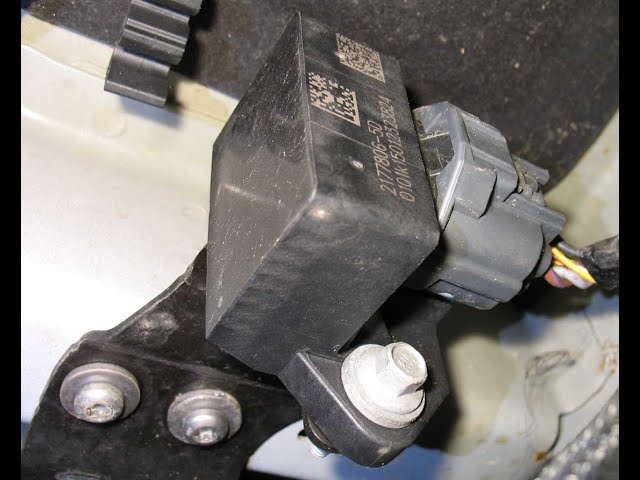
The 2015 Ford Transit, like many modern vehicles, relies heavily on electronic control modules to manage various systems. One crucial component is the Fuel Pump Control Module (FPCM). This module regulates the voltage supplied to the fuel pump, optimizing fuel delivery for efficiency and performance. A malfunctioning FPCM can lead to a host of problems, leaving you stranded or experiencing significant drivability issues. This article provides practical guidance for car owners and mechanics on maintaining, troubleshooting, and addressing common FPCM issues in the 2015 Ford Transit and similar vehicles.
Understanding the Fuel Pump Control Module
The FPCM's primary function is to modulate the voltage sent to the fuel pump based on engine demand. It receives signals from the engine control unit (ECU) and other sensors, adjusting fuel pressure accordingly. This system is designed to improve fuel economy, reduce emissions, and prevent fuel pump overheating. Without a functioning FPCM, the fuel pump may receive incorrect voltage, leading to insufficient or excessive fuel delivery.
Common Symptoms of a Failing FPCM
Recognizing the symptoms of a failing FPCM is the first step in diagnosing the problem. Here are some common indicators:
- Engine Stalling: The engine may stall, especially under load or during acceleration. This happens because the engine is not getting enough fuel.
- Difficulty Starting: Hard starting or a no-start condition can occur. The fuel pump might not be receiving enough power to prime the fuel system.
- Reduced Engine Performance: You may notice a decrease in power and acceleration. The engine may feel sluggish or hesitant.
- Rough Idling: The engine may idle roughly or erratically.
- Fuel Economy Decrease: A noticeable drop in fuel mileage can be a sign of improper fuel delivery.
- Check Engine Light: The check engine light will often illuminate with diagnostic trouble codes (DTCs) related to fuel pump control. Common codes include P0230 (Fuel Pump Primary Circuit Malfunction), P0627 (Fuel Pump Control Circuit Open), P0628 (Fuel Pump Control Circuit Low), and P0629 (Fuel Pump Control Circuit High).
For example, these symptoms are also frequently seen in Ford F-150 trucks and Ford Explorers that utilize similar fuel pump control systems.
Troubleshooting the FPCM: A Problem-Solution Approach
When diagnosing a potential FPCM issue, a systematic approach is crucial:
Problem: Engine Stalling and Difficulty Starting
Possible Cause: The FPCM is not providing adequate voltage to the fuel pump.
Solution:
- Check for Power and Ground: Use a multimeter to verify that the FPCM is receiving power and has a good ground connection. Consult the vehicle's wiring diagram for specific pin locations. A faulty ground is a common culprit.
- Inspect Wiring and Connectors: Examine the wiring harness and connectors leading to the FPCM for corrosion, damage, or loose connections. Clean or repair as needed.
- Scan for Diagnostic Trouble Codes (DTCs): Use an OBD-II scanner to retrieve any stored DTCs. These codes can provide valuable clues about the nature of the problem.
- Test the Fuel Pump Relay: Although the FPCM controls the fuel pump speed, a relay might still be involved in the overall circuit. Test the relay to ensure it's functioning correctly.
- Check Fuel Pressure: Use a fuel pressure gauge to verify that the fuel pump is delivering the correct pressure. Low pressure can indicate a failing FPCM or a problem with the fuel pump itself.
- Replace the FPCM: If all other tests fail and the DTCs point to an FPCM issue, replacement is often the necessary solution. Ensure you purchase a quality replacement from a reputable supplier.
Problem: Intermittent Performance Issues and Check Engine Light
Possible Cause: The FPCM is experiencing intermittent failures due to heat, vibration, or internal component degradation.
Solution:
- Monitor FPCM Operation with a Scan Tool: Use a scan tool that can display live data to monitor the FPCM's output voltage and other parameters while driving. This can help identify intermittent issues that may not trigger a constant DTC.
- Inspect the FPCM Mounting Location: Check for excessive heat or vibration near the FPCM. Relocating the module to a cooler, more stable location can sometimes resolve intermittent issues.
- Check for Water Intrusion: Inspect the FPCM housing for signs of water intrusion, which can corrode the internal components.
- Perform a Pinpoint Test: Follow the manufacturer's pinpoint test procedure for the specific DTC to isolate the root cause of the problem.
- Replace the FPCM: If intermittent failures persist, replacing the FPCM is usually the best course of action.
Real-World Issues and Considerations
One common real-world issue with FPCMs is their location. In some vehicles, including certain Transit models, the FPCM is located in an area that is prone to corrosion or overheating. Relocating the module to a more protected area can extend its lifespan. Also, it's critical to use a high-quality replacement FPCM from a reputable manufacturer. Aftermarket parts can be unreliable and may not meet the vehicle's specifications.
In some cases, a software update to the ECU may be required after replacing the FPCM. Check with a qualified technician or refer to the vehicle's service information to determine if an update is necessary.
Be aware of potential electrical shorts that can damage the new FPCM. Thoroughly inspect the wiring harness and connectors for any signs of damage or corrosion before installing the replacement module. Repair any shorts to prevent premature failure of the new FPCM.
Preventive Maintenance for Long-Term Reliability
While FPCM failures can sometimes be unavoidable, you can take steps to minimize the risk and extend the life of your vehicle's fuel system:
- Regular Fuel Filter Replacement: A clogged fuel filter puts extra strain on the fuel pump and FPCM. Follow the manufacturer's recommended maintenance schedule for fuel filter replacement.
- Use Quality Fuel: Using high-quality fuel can help prevent fuel system contamination and corrosion.
- Address Check Engine Lights Promptly: Don't ignore check engine lights. Address any fuel system-related DTCs as soon as possible to prevent further damage.
- Inspect Wiring and Connectors Regularly: Visually inspect the wiring harness and connectors for signs of damage or corrosion. Clean or repair as needed.
By understanding the function of the FPCM, recognizing the common symptoms of failure, and following a systematic troubleshooting approach, car owners and mechanics can effectively diagnose and resolve FPCM issues in the 2015 Ford Transit and similar vehicles. Prioritizing preventive maintenance and addressing problems promptly will help keep your vehicle running smoothly and reliably for years to come.