
2015 Nissan Altima Sunroof Drain Location
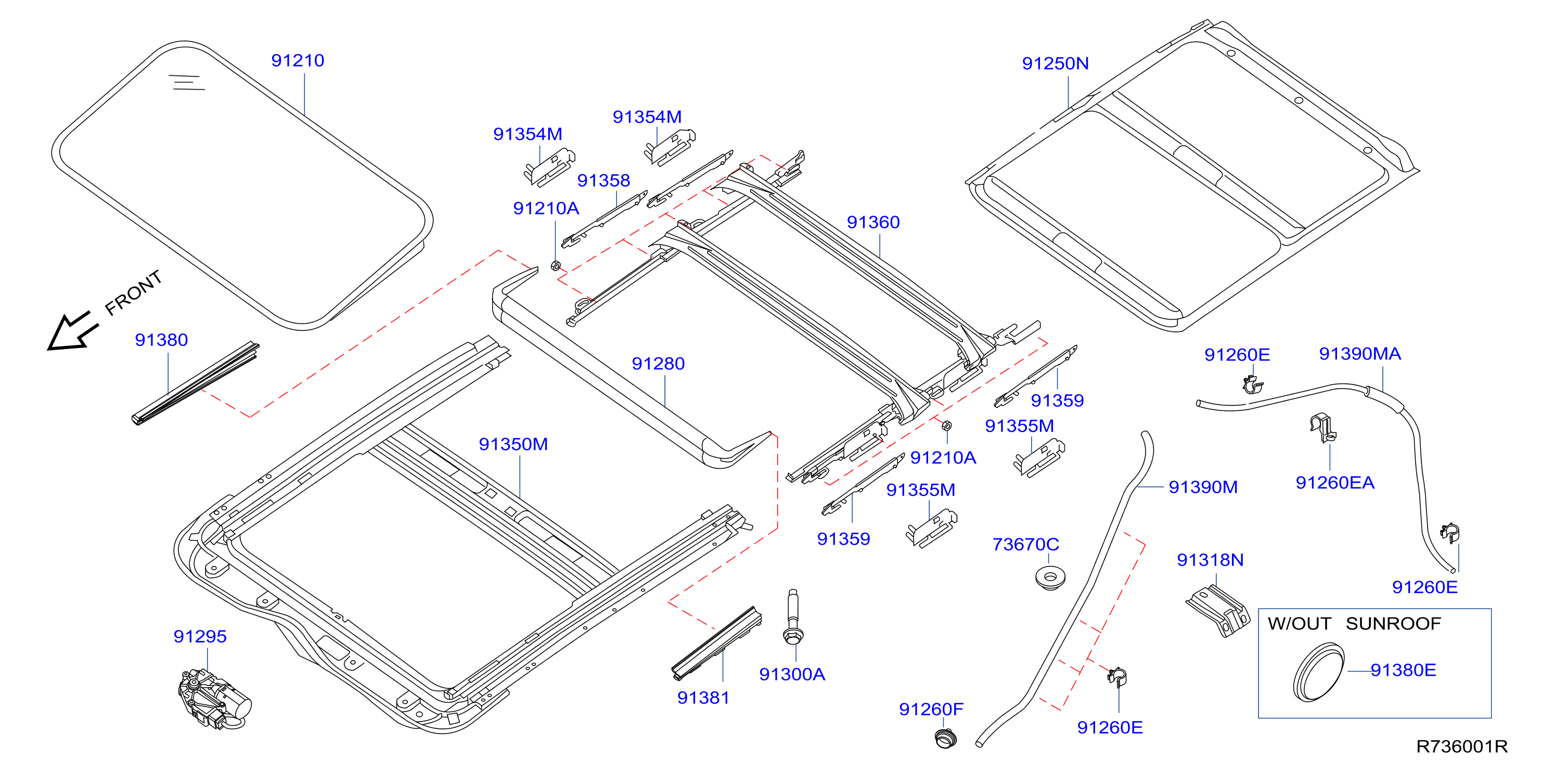
The 2015 Nissan Altima, like many modern vehicles with sunroofs, features a drainage system designed to channel water away from the cabin and prevent leaks. Over time, these drains can become clogged with debris like leaves, dirt, and even insect nests, leading to water accumulation and potentially costly damage. Understanding the location of these drains is crucial for preventative maintenance and troubleshooting water intrusion issues.
Understanding Sunroof Drain Systems
Think of your car's sunroof drain system like the gutters on your house. Gutters collect rainwater from the roof and direct it away from the foundation, preventing water damage. Similarly, a sunroof's perimeter usually has a trough designed to collect water that inevitably seeps past the sunroof seal. This water is then channeled through drain tubes to exit the vehicle. Without these drains, water would pool around the sunroof opening and eventually leak into the car's interior, potentially damaging upholstery, electronics, and even causing rust.
These systems aren't perfect, though. Just like house gutters, they are susceptible to clogs. Leaves, pine needles, pollen, and other environmental debris can find their way into the trough and eventually block the drain tubes. When this happens, the water has nowhere to go but inside the car.
Consider the sunroof drain system in a BMW 3 Series or a Honda Accord. While the specific locations may differ slightly, the underlying principle remains the same: water collected around the sunroof is directed through tubes to exit points strategically placed on the vehicle's body. The efficiency of these systems depends on regular cleaning and maintenance.
Locating the Sunroof Drains on a 2015 Nissan Altima
The 2015 Nissan Altima typically has four sunroof drain locations: two in the front and two in the rear. Finding these drains requires a bit of exploration, but here's a breakdown:
Front Sunroof Drains:
The front drains are usually located in the front corners of the sunroof frame, within the trough designed to catch water. To find them, fully open the sunroof. You should see small openings or nipples in the corners of the frame. These are the entry points for the drain tubes.
Important: These openings can be quite small and easily overlooked. You might need a flashlight to get a good view. They are often designed to be discreet and blend in with the sunroof frame.
The drain tubes themselves run down the A-pillars (the structural supports on either side of the windshield). They typically exit the vehicle near the front wheel wells, behind the plastic trim or mud flaps. Locating the exit point might require some maneuvering and possibly removing a few screws or clips holding the trim in place. Look for a small rubber or plastic nipple that protrudes slightly. This is where the water exits the vehicle. Sometimes these exit points are hidden behind the fender liner, requiring you to partially remove it for access.
Rear Sunroof Drains:
The rear drains are similarly located in the rear corners of the sunroof frame. Again, fully open the sunroof and look for the small openings or nipples in the corners. These are the entry points for the rear drain tubes.
The rear drain tubes run down the C-pillars (the structural supports behind the rear doors). They typically exit the vehicle near the rear wheel wells, often behind the bumper cover or plastic trim. Like the front drains, finding the exit point might require some disassembly. Look for the small rubber or plastic nipple. In some cases, the rear drain tubes exit into the rocker panels, which are the structural members running along the bottom of the car, beneath the doors. Accessing these exits might require lifting the car and removing some underbody panels.
Note: Accessing the rear drain exits can be more challenging than accessing the front ones due to their location and the amount of trim that may need to be removed.
Common Issues and Troubleshooting
The most common issue with sunroof drains is clogging. Here are some telltale signs of a clogged drain:
- Water stains on the headliner (the fabric lining the roof of the car).
- Water pooling in the floorboards, especially in the front or rear footwells.
- A musty odor inside the car.
- Damp seats.
If you experience any of these symptoms, it's crucial to inspect and clean the sunroof drains as soon as possible. Leaving the problem unattended can lead to more serious issues like mold growth, electrical damage, and rust.
Cleaning the Sunroof Drains
Cleaning the sunroof drains is a relatively simple process, but it requires some patience and the right tools. Here are a few methods you can use:
- Compressed Air: Use a nozzle attachment on an air compressor to blow air into the drain opening from the top (sunroof frame). This can dislodge debris. Be careful not to use excessive pressure, as this could damage the drain tube. Short bursts of air are more effective than a continuous stream.
- Weed Wacker Line or Flexible Wire: Gently insert a piece of weed wacker line or flexible wire (like a speedometer cable) into the drain opening and carefully push it down the tube. Rotate the line as you push to help break up any clogs. Be gentle to avoid puncturing or damaging the drain tube.
- Specialized Drain Cleaning Tools: Automotive parts stores sell specialized tools for cleaning sunroof drains. These tools typically consist of a flexible wire with a brush or auger on the end. They are designed to safely and effectively clear debris from the drain tubes.
- Pouring Water: After attempting to clear the clog with air or a wire, pour a small amount of water into the drain opening to see if it drains freely. If the water drains slowly or not at all, repeat the cleaning process.
- Wet/Dry Vacuum: You can also try using a wet/dry vacuum to suck out any debris from the drain opening. Place the vacuum hose over the drain opening and create a seal with your hand. This method is often more effective at removing loose debris than compressed air.
Important Safety Tip: Always wear eye protection when working with compressed air or cleaning tools to prevent debris from entering your eyes.
Preventative Maintenance
The best way to avoid clogged sunroof drains is to perform regular preventative maintenance. Here are a few tips:
- Regular Inspection: Inspect the sunroof drain openings at least twice a year, especially after periods of heavy rain or when trees are shedding leaves.
- Keep the Sunroof Clean: Regularly clean the sunroof and the surrounding area to remove any debris that could potentially clog the drains.
- Garage Parking: If possible, park your car in a garage or under a carport to protect it from the elements and reduce the amount of debris that accumulates around the sunroof.
- Professional Cleaning: Consider having your sunroof drains professionally cleaned by a mechanic during your regular car maintenance appointments.
Practical Takeaways for 2015 Altima Owners
- Know the Location: Familiarize yourself with the approximate locations of the front and rear sunroof drain entries and exits on your 2015 Nissan Altima. Refer to online forums or a repair manual for specific diagrams if needed.
- Be Proactive: Don't wait until you notice water leaks to check your sunroof drains. Incorporate drain cleaning into your regular car maintenance routine.
- Gentle Approach: When cleaning the drains, use gentle methods and avoid using excessive force or pressure. You don't want to damage the drain tubes.
- Document Your Work: Take pictures or notes of the steps you take when disassembling trim or accessing the drain exits. This will make it easier to reassemble everything correctly.
- Seek Professional Help: If you're not comfortable cleaning the sunroof drains yourself, or if you suspect there's a more serious problem, don't hesitate to seek professional help from a qualified mechanic. Water leaks can cause significant damage, so it's best to address them promptly.
- Inspect After Cleaning: After cleaning, always test the drains by pouring a small amount of water into the sunroof trough and observing if it drains freely from the exit points. This confirms the clog has been successfully removed.
By understanding the location and function of your 2015 Nissan Altima's sunroof drains and following these preventative maintenance tips, you can avoid costly water damage and keep your car's interior dry and comfortable for years to come.