
2015 Nissan Rogue Transmission Fluid Change
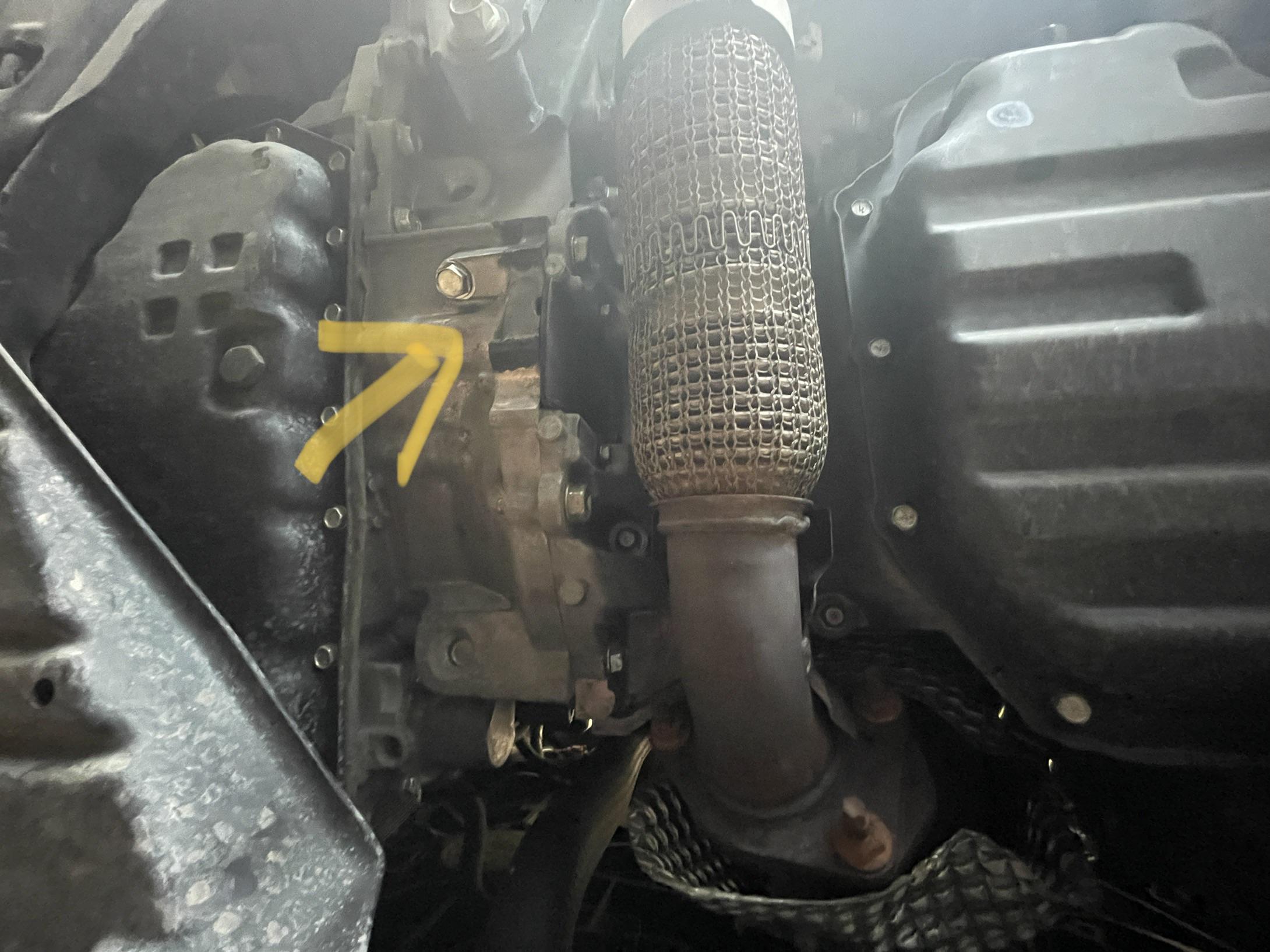
The 2015 Nissan Rogue, a popular compact SUV, relies on a Continuously Variable Transmission (CVT) for its smooth and fuel-efficient operation. Unlike traditional automatic transmissions with fixed gear ratios, CVTs use a belt and pulley system to provide a seamless transition through a wide range of ratios. This design, while offering advantages in fuel economy and smoothness, also presents unique considerations when it comes to maintenance, particularly concerning the transmission fluid.
Changing the transmission fluid is a critical maintenance task for any vehicle, but it's especially important for CVTs. The fluid serves multiple crucial roles: lubricating the moving parts (primarily the belt and pulleys), cooling the transmission, transmitting hydraulic pressure for clutch operation (if equipped with a launch clutch, as some Rogue models are), and protecting the internal components from wear and corrosion. Over time, the fluid degrades due to heat, friction, and contamination. This degradation reduces its ability to perform these vital functions, potentially leading to premature wear, slippage, and ultimately, transmission failure. Considering the high cost of CVT repairs or replacement, regular fluid changes are a worthwhile investment.
Understanding the NS-3 Fluid
The 2015 Nissan Rogue CVT requires a specific type of fluid designated as NS-3. It's crucial to use only NS-3 fluid in this transmission. Using the wrong type of fluid can lead to serious damage and void any remaining warranty. NS-3 fluid is formulated with specific friction modifiers and viscosity characteristics optimized for the unique requirements of the Nissan/JATCO CVT. These properties ensure proper belt grip, preventing slippage and promoting smooth operation. Off-brand "universal" CVT fluids may not meet these specifications and can cause long-term problems.
Why is NS-3 so important? The belt-pulley interface in a CVT relies on precise friction characteristics. Too little friction, and the belt slips, causing wear and poor performance. Too much friction, and the belt can bind or chatter, leading to uneven wear and noise. NS-3 is carefully formulated to provide the optimal balance. Furthermore, the fluid's thermal stability and oxidation resistance are critical for dealing with the high temperatures generated within a CVT, especially under demanding driving conditions. Using an inferior fluid can result in premature fluid breakdown and the formation of varnish and sludge, which can clog valve bodies and restrict fluid flow.
Tools and Materials Required
Before embarking on a transmission fluid change for your 2015 Nissan Rogue, gather the necessary tools and materials. This will ensure a smooth and efficient process.
- New Nissan NS-3 CVT fluid (typically around 5-6 quarts, but always check your owner's manual for the exact capacity)
- New transmission drain plug washer
- Socket set (typically 19mm or 1/2" for the drain plug)
- Torque wrench
- Fluid pump (a hand pump designed for gear oil or transmission fluid works well)
- Long funnel
- Drain pan
- Jack and jack stands or ramps
- Wheel chocks
- Gloves
- Rags or shop towels
- Eye protection
- Scan tool capable of monitoring transmission fluid temperature (strongly recommended)
Note: Some Rogue models may have a fill plug location that is difficult to access without specialized tools. Consider this before starting the procedure.
Step-by-Step Procedure
The following steps outline the process for changing the transmission fluid on a 2015 Nissan Rogue. Remember to work in a well-ventilated area and follow all safety precautions.
- Preparation: Park the vehicle on a level surface and engage the parking brake. Secure the rear wheels with wheel chocks. Loosen the transmission drain plug before lifting the vehicle. This will make it easier to remove when you're under the car.
- Lifting the Vehicle: Using a jack, raise the front of the vehicle and securely support it with jack stands or drive the vehicle onto ramps. Ensure the vehicle is stable before proceeding.
- Locating the Drain Plug: Locate the transmission drain plug on the bottom of the transmission pan. It's typically a large bolt (19mm or 1/2").
- Draining the Fluid: Position the drain pan under the drain plug. Carefully remove the drain plug, allowing the old transmission fluid to drain completely. Be careful, as the fluid may be hot.
- Replacing the Drain Plug Washer: Once the fluid has finished draining, inspect the drain plug. Replace the drain plug washer with a new one. This ensures a proper seal and prevents leaks.
- Reinstalling the Drain Plug: Reinstall the drain plug and tighten it to the manufacturer's specified torque (refer to your service manual or online resources for the correct torque specification). Do not overtighten, as this can damage the transmission pan.
- Locating the Fill Plug: The location of the fill plug can vary slightly depending on the specific Rogue model. It's usually on the side of the transmission case, often near the top. You may need to remove some air intake components or other parts to access it. Consult a repair manual for the exact location specific to your vehicle.
- Adding New Fluid: Once you've located the fill plug, remove it. Using the fluid pump and a long funnel, carefully add new NS-3 CVT fluid to the transmission. Add fluid slowly and in small increments to avoid overfilling.
- Checking the Fluid Level: The 2015 Rogue CVT does not typically have a dipstick for checking the fluid level in the traditional sense. Instead, a specific procedure must be followed, often involving monitoring the transmission fluid temperature with a scan tool. The correct fluid level is determined by opening a check plug while the transmission is at a specific temperature range. Excess fluid will drain out until the level is correct. This step is critical and requires precise measurement.
- Fluid Level Adjustment (Temperature Dependent): Using a scan tool, monitor the transmission fluid temperature. Refer to your service manual or online resources for the specific temperature range required for fluid level adjustment (e.g., 95-113 degrees Fahrenheit). Once the transmission reaches the correct temperature, locate the fluid level check plug (usually a smaller plug near the drain plug). With the vehicle level and running, carefully remove the check plug. If fluid drips out, the level is correct. If no fluid drips out, add more fluid through the fill plug until it does. Reinstall the check plug to the specified torque.
- Final Checks: After completing the fluid change and level adjustment, start the engine and let it idle for a few minutes. Shift through the gears (P, R, N, D) to circulate the fluid. Check for any leaks around the drain plug and fill plug.
- Lowering the Vehicle: Carefully lower the vehicle back to the ground.
- Test Drive: Take the vehicle for a short test drive to ensure the transmission is shifting smoothly and there are no unusual noises or vibrations.
- Re-check Fluid Level (Optional): After the test drive, re-check the fluid level according to the temperature-dependent procedure described above. This is a good practice to ensure the fluid level is still correct after the initial circulation.
- Proper Disposal: Dispose of the used transmission fluid responsibly at a recycling center or auto parts store.
Common Mistakes and Troubleshooting
Several common mistakes can occur during a transmission fluid change. Being aware of these potential pitfalls can help you avoid problems.
- Using the Wrong Fluid: As mentioned earlier, using the wrong type of fluid (anything other than NS-3) is a serious mistake that can lead to transmission damage.
- Overtightening the Drain Plug: Overtightening the drain plug can damage the threads in the transmission pan, leading to leaks. Always use a torque wrench and tighten to the specified torque.
- Overfilling or Underfilling the Transmission: Both overfilling and underfilling the transmission can cause problems. Overfilling can lead to foaming and reduced lubrication, while underfilling can cause slippage and overheating. Follow the temperature-dependent fluid level checking procedure carefully.
- Stripping the Fill Plug: Some fill plug locations can be difficult to access, and the plug itself may be prone to stripping. Use the correct size wrench and apply steady pressure to avoid damaging the plug.
- Not Replacing the Drain Plug Washer: The drain plug washer is designed to create a seal and prevent leaks. Always replace it with a new one during each fluid change.
- Skipping the Temperature Monitoring: The correct fluid level must be set at the specified temperature. Skipping this step will almost certainly lead to incorrect fill levels.
If you experience any issues after changing the transmission fluid, such as slippage, erratic shifting, or unusual noises, stop driving the vehicle immediately and consult a qualified mechanic. Ignoring these symptoms can lead to further damage.
Maintenance Schedule
Nissan recommends a specific maintenance schedule for the CVT fluid in the 2015 Rogue. While the exact interval may vary depending on driving conditions, a general guideline is to change the fluid every 30,000 to 60,000 miles. Severe driving conditions, such as frequent towing, stop-and-go traffic, or extreme temperatures, may warrant more frequent fluid changes. Always consult your owner's manual or a trusted mechanic for the recommended maintenance schedule for your specific vehicle and driving habits. Regular fluid changes, along with proper driving habits, can significantly extend the life of your 2015 Nissan Rogue's CVT.
This guide provides a detailed overview of the transmission fluid change procedure for a 2015 Nissan Rogue. While it offers comprehensive information, it's essential to consult your vehicle's service manual and exercise caution throughout the process. If you're not comfortable performing this maintenance yourself, it's always best to seek the assistance of a qualified mechanic.