
2016 Chevy Silverado Cooling Fan Stays On
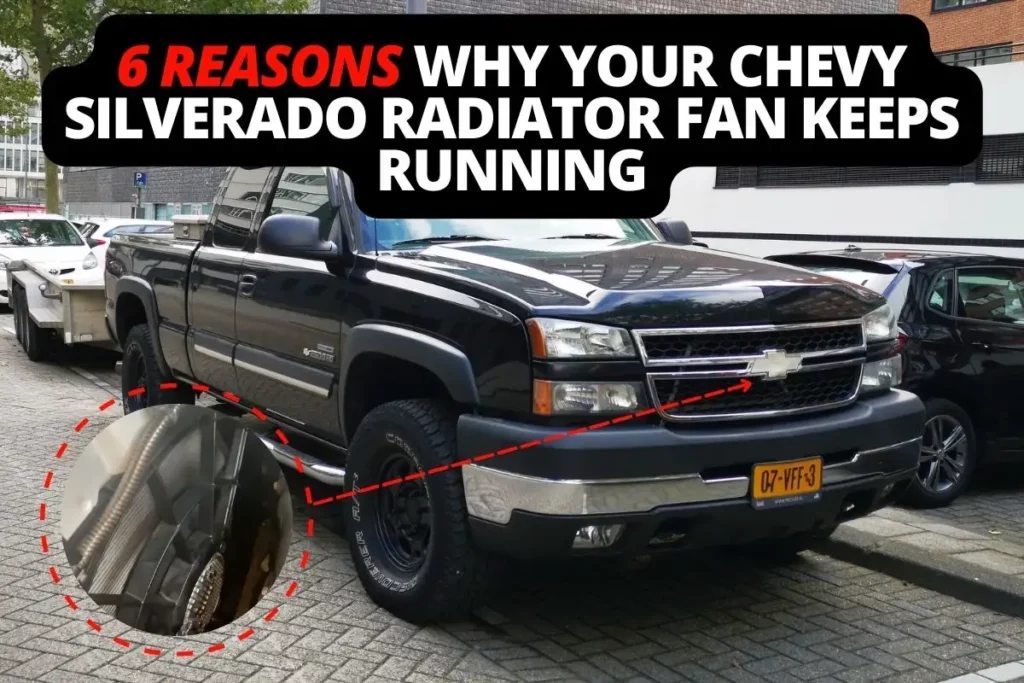
Hey there, Silverado owner! Running into an issue with your cooling fan staying on constantly, even after you've shut off the engine? It's a fairly common problem, especially in 2016 Chevy Silverados, and while it can be a little unnerving (that whirring sound!), it's usually fixable without breaking the bank. Let's break down what might be going on and how to get it resolved.
Understanding the Cooling Fan System
Before we dive into troubleshooting, let's quickly review how your Silverado's cooling fan system should work. Your engine produces a lot of heat, and the cooling system's job is to keep it within a safe operating temperature range. The cooling fan is a crucial part of this. In most cases, the fan is controlled by the engine control module (ECM), based on readings from various temperature sensors throughout the engine. When the engine temperature rises above a certain threshold, the ECM tells the fan to turn on. Once the temperature drops, the fan should switch off.
When the fan runs constantly, even when the engine is cold or off, it indicates that something in this control system is malfunctioning.
Possible Causes for a Runaway Cooling Fan
Here are the most common culprits behind a 2016 Chevy Silverado's cooling fan refusing to turn off:
1. Faulty Coolant Temperature Sensor
The coolant temperature sensor provides the ECM with information about the engine's temperature. If this sensor is failing and sending an incorrectly high reading to the ECM, the computer will think the engine is overheating and keep the fan running. This is often the easiest and least expensive thing to check. A scan tool can usually read the live data from this sensor. If the reading is excessively high when the engine is cold, the sensor is suspect.
Solution: Replacing the coolant temperature sensor is usually a straightforward DIY job, though access can vary depending on your engine configuration. You'll need the correct replacement sensor, a wrench or socket to remove the old one, and possibly some coolant to top off any that's lost during the process. Be sure to disconnect the negative battery cable before starting any electrical work. You can pick up a coolant temperature sensor for around $20-$50, and the repair should take less than an hour.
2. Wiring Issues
Damaged or corroded wiring can also cause the cooling fan to malfunction. Shorts in the wiring harness, particularly those leading to the fan relay or the ECM, can send a constant signal to the fan to stay on. Even chafed wires touching the chassis ground can create this issue.
Solution: This can be a bit trickier to diagnose. You'll need to carefully inspect the wiring harness associated with the cooling fan circuit, looking for any signs of damage, corrosion, or loose connections. A multimeter is very helpful for checking continuity and voltage in the wiring. If you find damaged wires, you'll need to repair or replace them. You can use electrical tape, heat shrink tubing, or butt connectors to repair damaged wires. In some cases, you may need to replace an entire section of the wiring harness. If you're not comfortable working with electrical wiring, it's best to take your Silverado to a qualified mechanic. Repair costs can vary significantly depending on the extent of the wiring damage, from $50 for a simple repair to several hundred dollars for a harness replacement.
3. Faulty Fan Clutch (if applicable)
Some 2016 Silverados, particularly those with the heavier duty towing package, may use a traditional fan clutch instead of a fully electric fan. If your truck has a fan clutch, it could be the source of the problem. A failing fan clutch can become locked up, causing the fan to run constantly.
Solution: A visual inspection of the fan clutch is a good starting point. If you can easily spin the fan by hand when the engine is cold, the clutch is likely okay. If the fan feels stiff or locked, the clutch is probably bad. Replacing the fan clutch is a relatively straightforward repair that can be done with basic tools. You'll need a wrench to remove the fan clutch nut and a fan clutch holding tool to prevent the pulley from turning. A new fan clutch will cost around $100-$300. Make sure to consult your repair manual or an experienced mechanic for the correct torque specification for the fan clutch nut.
4. Faulty Cooling Fan Relay
The cooling fan relay is an electrical switch that controls power to the cooling fan. If the relay is stuck in the "on" position, it will keep the fan running constantly, regardless of the engine temperature.
Solution: Locating and testing the cooling fan relay is relatively easy. Consult your owner's manual or a wiring diagram to find the relay's location. You can test the relay by swapping it with another identical relay in the fuse box (such as the horn relay). If the problem moves to the other circuit (e.g., the horn now stays on), then the relay is bad. Replacing a faulty relay is cheap and easy, costing around $10-$20. Sometimes a faulty relay can also damage the wiring harness connector. Ensure the connector isn't melted or corroded before replacing the relay.
5. Issues with the Engine Control Module (ECM)
In rare cases, the ECM itself can be the culprit. A faulty ECM may send an incorrect signal to the cooling fan, causing it to run constantly. This is usually the last thing to suspect after ruling out all other possibilities, and the most expensive to repair.
Solution: Before replacing the ECM, have it diagnosed by a qualified mechanic. They can use a scan tool to check for any error codes related to the cooling fan circuit and perform other diagnostic tests to determine if the ECM is truly the problem. Replacing the ECM can be costly, ranging from $500 to $1500 or more, including the cost of programming the new ECM to your Silverado. A used ECM can be an option to save money, but be sure it's from a reputable source and is compatible with your truck's specific year, make, and model.
6. Air Conditioning Issues
The cooling fan system and air conditioning system are often linked. If you have a problem with your A/C system, the cooling fan might stay on to compensate for the increased load on the engine. For example, a malfunctioning A/C pressure sensor could be sending incorrect signals to the ECM, causing the fan to run continuously.
Solution: Check the operation of your A/C system. Does it blow cold air? Are there any unusual noises coming from the compressor? Have a qualified mechanic diagnose any A/C-related issues. The cost of repairing A/C problems can vary widely depending on the specific issue, from a simple recharge to replacing the compressor or other components.
Troubleshooting Steps
Here's a general approach to troubleshooting a cooling fan that stays on:
- Visual Inspection: Start by visually inspecting the wiring harness, connectors, and cooling fan for any signs of damage or corrosion.
- Check Coolant Level: Ensure the coolant level is adequate. Low coolant can cause the engine to overheat, leading to the fan running constantly.
- Scan for Error Codes: Use an OBD-II scanner to check for any diagnostic trouble codes (DTCs) related to the cooling system or engine temperature.
- Test the Coolant Temperature Sensor: Use a multimeter to check the resistance of the coolant temperature sensor. Compare the reading to the specifications in your repair manual.
- Test the Cooling Fan Relay: Swap the cooling fan relay with another identical relay in the fuse box to see if the problem moves to the other circuit.
- Inspect the Fan Clutch: If your Silverado has a fan clutch, inspect it for signs of damage or locking up.
- Consult a Professional: If you're unable to diagnose the problem yourself, take your Silverado to a qualified mechanic for further diagnosis and repair.
Tools You Might Need
Depending on the cause of the problem, you might need some or all of the following tools:
- Socket set
- Wrench set
- Screwdrivers
- Multimeter
- OBD-II scanner
- Wiring diagram
- Fan clutch holding tool (if applicable)
- Electrical tape or heat shrink tubing
- Wire strippers and crimpers
Approximate Repair Costs
Here's a rough estimate of the repair costs for some of the common causes:
- Coolant Temperature Sensor Replacement: $50 - $150
- Cooling Fan Relay Replacement: $20 - $50
- Fan Clutch Replacement: $200 - $500
- Wiring Repair: $50 - $300+ (depending on the extent of the damage)
- ECM Replacement: $500 - $1500+ (including programming)
- A/C System Repair: Varies widely depending on the issue
Important Note: These are just estimates. The actual repair costs may vary depending on the labor rates in your area and the specific parts used.
Don't let that cooling fan running non-stop stress you out. By systematically troubleshooting the problem, you can usually find the cause and get it fixed. If you're not comfortable working on your own vehicle, don't hesitate to seek the help of a qualified mechanic. Good luck, and happy motoring!