
2016 Dodge Durango Fuel Pump Relay Bypass
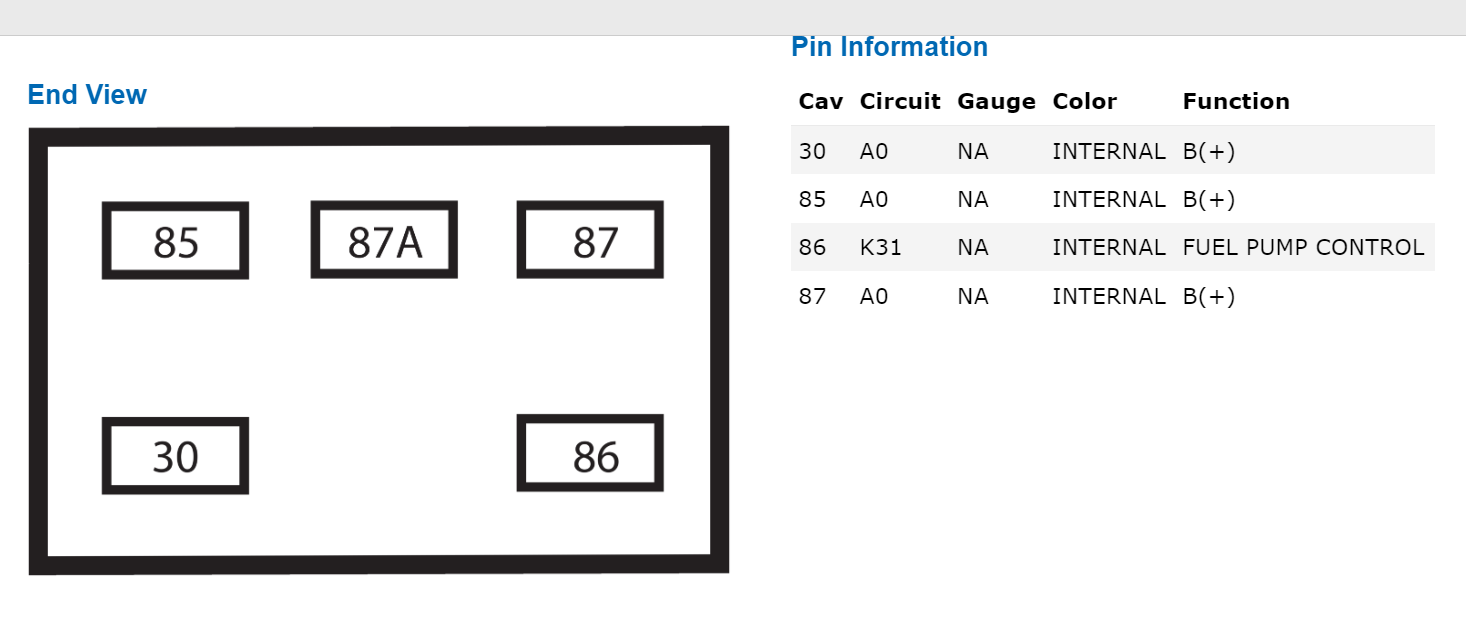
If you're experiencing starting issues with your 2016 Dodge Durango, specifically a situation where the engine cranks but doesn't fire, a malfunctioning fuel pump relay might be the culprit. While a proper diagnostic and repair are always recommended, understanding how to perform a fuel pump relay bypass can be invaluable in certain emergency situations. This article provides information regarding the 2016 Dodge Durango fuel pump relay bypass procedure; however, attempting this bypass comes with inherent risks, and should only be done when you are knowledgeable and understand the potential consequences. Always consult a qualified mechanic as soon as possible for a permanent solution.
Understanding the 2016 Dodge Durango Fuel System
Before diving into the bypass, it's essential to understand the basics of your Durango's fuel system. The fuel pump, responsible for delivering fuel from the tank to the engine, relies on a relay to receive power. This relay acts as a switch, controlled by the vehicle's computer (PCM/ECU). When you turn the key, the PCM sends a signal to the relay, which then closes the circuit and allows power to flow to the fuel pump.
A faulty fuel pump relay can prevent the fuel pump from operating, leading to a no-start condition. Symptoms of a failing relay can include:
- Engine cranks but doesn't start
- Intermittent starting issues
- Engine stalling
- A clicking sound coming from the relay box (though this isn't always present)
Why Consider a Fuel Pump Relay Bypass?
A fuel pump relay bypass is a temporary measure to get your vehicle running in an emergency situation. It allows you to manually force power to the fuel pump, potentially enabling you to start the engine and get to a repair shop. Reasons to consider a bypass include:
- You're stranded and need to move your vehicle
- You suspect a faulty relay but don't have a replacement on hand
- To confirm the relay is indeed the problem before purchasing a new one
Important Warning: Performing a fuel pump relay bypass incorrectly can damage your vehicle's electrical system, potentially leading to a fire or other serious issues. This procedure should only be attempted by individuals with a good understanding of automotive electrical systems. If you are not comfortable working with electrical components, consult a qualified mechanic. Bypassing the relay eliminates safety mechanisms and could lead to fuel pump overwork and damage if left in the bypass state for an extended period.
Locating the Fuel Pump Relay on a 2016 Dodge Durango
The fuel pump relay on a 2016 Dodge Durango is typically located in the Power Distribution Center (PDC), often referred to as the fuse box. The PDC is usually under the hood, near the engine. The exact location of the fuel pump relay can vary slightly depending on the specific configuration of your vehicle, so it's crucial to consult your owner's manual or a reliable wiring diagram for your 2016 Dodge Durango.
Once you've located the PDC, identify the fuel pump relay. The relay is a small, rectangular component with multiple terminals. Your owner's manual or the diagram on the inside of the PDC cover should indicate which relay is for the fuel pump. Typically, it's labeled or identified with a symbol associated with the fuel system.
Performing a 2016 Dodge Durango Fuel Pump Relay Bypass (with Caution)
Disclaimer: The following steps are provided for informational purposes only and should only be attempted by qualified individuals who understand the risks involved. We are not responsible for any damage caused by attempting this procedure.
This method requires knowledge of electrical circuits and potentially creating a jumper wire with a fused connection. If you are not comfortable with this, please seek professional assistance.
Tools and Materials You May Need:
- Jumper wire (made from appropriate gauge wire with insulated alligator clips or spade connectors)
- Fuse (appropriate amperage - consult your owner's manual or relay specifications; typically a 10 or 15 amp fuse)
- Electrical tape (for insulation)
- Wire stripper/crimper (if creating your own jumper wire)
- Multimeter (optional, for testing voltage)
- Your 2016 Dodge Durango owner's manual or a reliable wiring diagram
Procedure:
- Safety First: Disconnect the negative terminal of your battery. This prevents accidental shorts and electrical damage.
- Locate the Fuel Pump Relay: As described earlier, use your owner's manual or wiring diagram to pinpoint the fuel pump relay in the PDC.
- Remove the Relay: Carefully remove the fuel pump relay from its socket.
- Identify the Relay Terminals: The relay has four or five terminals. You need to identify the terminal that supplies power to the fuel pump and the terminal that receives power from the PCM (or ignition switch). Consult your wiring diagram. Common terminal layouts: Often terminals 30 and 87 are used to supply power to the load (fuel pump), with 85 and 86 used for the coil that activates the relay. However, this is a general guideline, and specific wiring diagrams for your Durango year and model are essential.
- Create a Fused Jumper Wire: It is strongly recommended that you use a fused jumper wire for this process. This protects the fuel pump circuit. The amperage of the fuse you use should be appropriate for the fuel pump circuit (typically 10 or 15 amps – check your owner's manual or relay specifications).
- Bypass the Relay: Using your fused jumper wire, connect the power supply terminal to the fuel pump terminal. This manually sends power to the fuel pump. Double-check your wiring diagram to ensure you're connecting the correct terminals before proceeding. Incorrect connections can cause significant damage.
- Reconnect the Battery: Reconnect the negative terminal of your battery.
- Try to Start the Engine: Attempt to start your vehicle. If the fuel pump relay was indeed the problem, the engine should now start.
- Remove the Jumper Wire: Once the vehicle is running and safe to move, remove the jumper wire immediately. This is a TEMPORARY solution. Leaving the fuel pump powered continuously can damage the fuel pump or other components.
- Seek Professional Repair: Drive your vehicle to a qualified mechanic for a proper diagnosis and repair. Replace the faulty fuel pump relay as soon as possible.
Important Considerations:
- Wiring Diagrams are Crucial: Do not attempt this procedure without a reliable wiring diagram specific to your 2016 Dodge Durango.
- Fuse Protection: Always use a fused jumper wire to protect the fuel pump circuit.
- Temporary Solution: This is a temporary fix only. Replace the faulty relay immediately.
- Potential Damage: Incorrectly performing this bypass can damage your vehicle's electrical system.
- Fuel Pump Overwork: Leaving the bypass connected for an extended time can overwork and potentially damage the fuel pump.
Alternative Solutions and Prevention
While the bypass can be helpful in an emergency, it's essential to address the underlying issue. Consider these alternatives and preventative measures:
- Relay Replacement: The most straightforward solution is to replace the fuel pump relay with a new one. These relays are relatively inexpensive and easy to replace.
- Fuse Check: Before suspecting the relay, check the fuel pump fuse. A blown fuse can also prevent the fuel pump from operating.
- Professional Diagnosis: If you're unsure about the cause of the problem, take your vehicle to a qualified mechanic for a proper diagnosis. They can use diagnostic tools to pinpoint the exact issue.
- Regular Maintenance: Ensure your vehicle receives regular maintenance, including fuel filter replacement. A clogged fuel filter can put extra strain on the fuel pump, potentially shortening the relay's lifespan.
Conclusion
Performing a fuel pump relay bypass on a 2016 Dodge Durango can be a temporary solution to get your vehicle running in an emergency. However, it's crucial to understand the risks involved and proceed with caution. Always consult your owner's manual or a reliable wiring diagram, use a fused jumper wire, and remove the bypass as soon as possible. Most importantly, seek professional repair to address the underlying issue and ensure the safe and reliable operation of your vehicle. Ignoring the problem and continuously bypassing the relay could result in more significant and costly repairs down the road. Remember that safety and proper vehicle maintenance should always be your top priorities.