
2016 Honda Accord Sport Spark Plug Torque
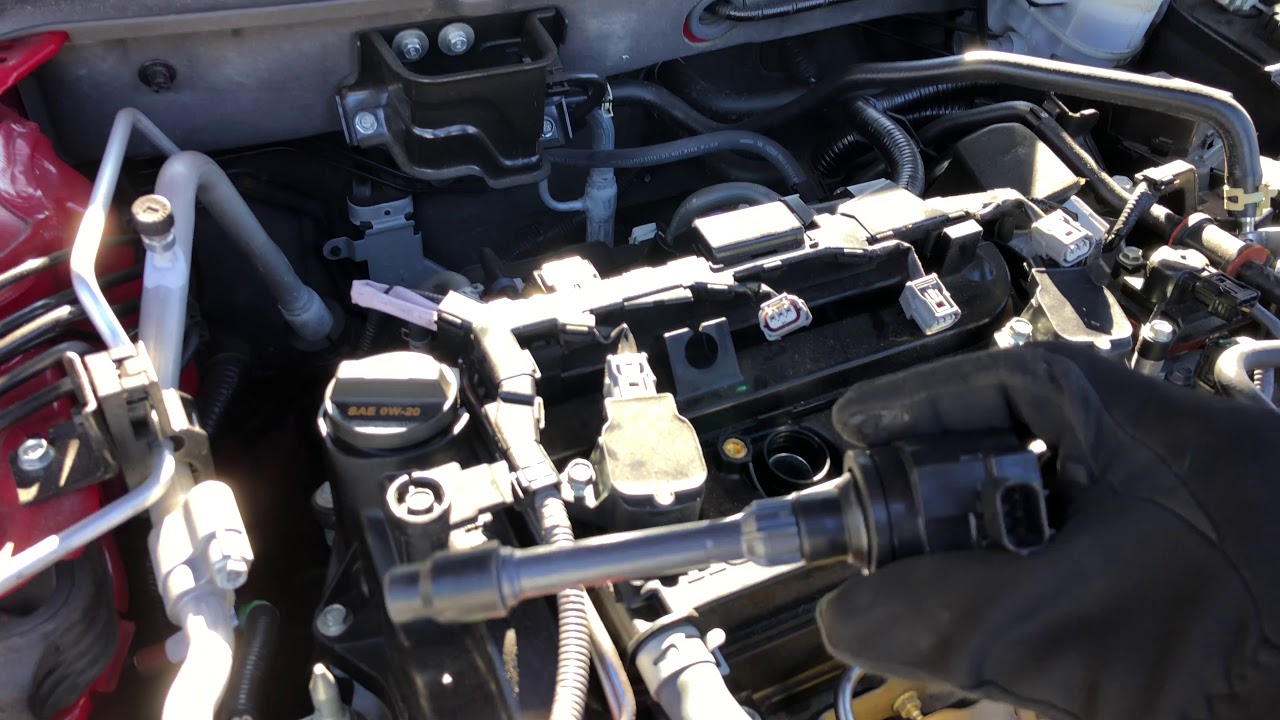
The 2016 Honda Accord Sport, a popular choice for its blend of reliability and sporty handling, relies on a carefully calibrated ignition system. At the heart of this system lie the spark plugs, tiny but crucial components responsible for igniting the air-fuel mixture in the cylinders, ultimately powering the vehicle. While changing spark plugs is a relatively straightforward task, achieving optimal performance and longevity requires more than just a wrench and a new set of plugs. Torque, the rotational force applied when tightening the spark plugs, plays a pivotal role. Applying too little torque can lead to loose plugs, causing compression leaks and potential engine damage. Conversely, overtightening can stretch or damage the threads in the cylinder head, leading to costly repairs. This guide delves into the intricacies of spark plug torque for the 2016 Honda Accord Sport, exploring the 'why' behind the specified torque value and the consequences of deviation.
Understanding Torque Specifications
The 2016 Honda Accord Sport, with its 2.4L i-VTEC engine, requires a specific torque value for its spark plugs. Typically, this value is around 13 lb-ft (17.6 Nm). This seemingly arbitrary number is the result of meticulous engineering calculations and testing. Several factors contribute to the determination of this optimal torque:
Material Properties:
The spark plug's components, including the metal shell, ceramic insulator, and center electrode, are manufactured from materials with specific tensile strength and elasticity. The cylinder head, usually made of aluminum alloy in modern engines like the one in the Accord Sport, also possesses unique material characteristics. Overtightening subjects these materials to excessive stress, potentially leading to:
Thread Damage: Aluminum is relatively soft compared to steel. Exceeding the torque specification can easily strip or damage the threads in the cylinder head, rendering it unusable. Spark Plug Failure: Excessive torque can crush the ceramic insulator, compromise the gas seal, or deform the spark plug shell, leading to premature failure.
Gasket Compression:
Most spark plugs feature a crush washer or gasket designed to create a gas-tight seal between the spark plug and the cylinder head. The specified torque value is intended to compress this gasket to a precise degree, ensuring a proper seal without over-compressing it. Under-torquing prevents proper gasket compression, leading to:
Compression Leaks: Escaping combustion gases reduce engine efficiency, power output, and fuel economy. Engine Misfires: Leaks can also affect cylinder pressure, causing irregular combustion and misfires.
Thermal Expansion:
Engines operate at high temperatures. The materials used in the spark plugs and cylinder head expand and contract with temperature fluctuations. The specified torque value accounts for this thermal expansion, ensuring that the spark plug remains properly seated and sealed throughout the engine's operating temperature range.
The Importance of Using a Torque Wrench
While it might be tempting to tighten spark plugs by "feel," this is highly discouraged. Relying on guesswork can easily lead to over- or under-torquing, with potentially serious consequences. A torque wrench is an indispensable tool for accurately tightening spark plugs to the manufacturer's specification. There are two main types of torque wrenches:
Click-Type Torque Wrench:
This type of torque wrench allows you to set a desired torque value. When the set torque is reached, the wrench emits an audible "click" or a slight release of tension, indicating that you should stop tightening. Click-type wrenches are relatively affordable and easy to use, making them a popular choice for DIY mechanics.
Digital Torque Wrench:
Digital torque wrenches feature a digital display that shows the applied torque value in real-time. They often have programmable torque settings and audible alerts when the target torque is reached. Digital torque wrenches are generally more accurate and precise than click-type wrenches, but they are also more expensive.
Regardless of the type of torque wrench used, it's crucial to ensure that it's properly calibrated. A poorly calibrated torque wrench can provide inaccurate readings, defeating the purpose of using one in the first place. Torque wrenches should be calibrated periodically, typically every year or after a certain number of uses.
Step-by-Step Spark Plug Torqueing Procedure for the 2016 Honda Accord Sport
Here's a detailed procedure for torquing spark plugs on a 2016 Honda Accord Sport, ensuring proper installation and optimal engine performance:
- Preparation: Disconnect the negative battery cable for safety. Allow the engine to cool completely before removing or installing spark plugs. Gather the necessary tools: torque wrench, spark plug socket (typically a 5/8" or 16mm socket), extension, ratchet, and new spark plugs.
- Inspection: Before installing the new spark plugs, inspect them for any damage. Check the gap using a spark plug gap tool and adjust if necessary according to the vehicle's specifications (refer to the owner's manual or service manual). Most modern spark plugs are pre-gapped and require no adjustment.
- Installation: Carefully thread the spark plug into the cylinder head by hand, turning it clockwise until it's snug. This prevents cross-threading, which can damage the threads in the cylinder head.
- Torqueing: Attach the spark plug socket and extension to the torque wrench. Set the torque wrench to the specified value of 13 lb-ft (17.6 Nm). Slowly and smoothly tighten the spark plug until the torque wrench clicks or the digital display indicates that the target torque has been reached. Avoid jerking or applying excessive force.
- Verification: After torquing all the spark plugs, double-check each one to ensure that they are properly tightened to the specified torque.
- Reassembly: Reconnect the spark plug wires or coil packs to the spark plugs. Reconnect the negative battery cable.
Troubleshooting Torque-Related Issues
If you suspect that spark plugs have been improperly torqued, there are several telltale signs to look for:
Engine Misfires: A loose spark plug can cause engine misfires, resulting in rough idling, reduced power, and poor fuel economy. Compression Leaks: A hissing sound or the smell of exhaust fumes near the spark plug wells can indicate a compression leak. Damaged Threads: If you encounter excessive resistance when tightening a spark plug, stop immediately and inspect the threads for damage. Stripped threads require professional repair. Spark Plug Damage: Examine the spark plugs after removal. Look for signs of overheating, oil fouling, or physical damage, which may indicate improper torque or other engine problems.
Conclusion
Properly torquing spark plugs on a 2016 Honda Accord Sport is essential for maintaining optimal engine performance, fuel efficiency, and longevity. By understanding the 'why' behind the specified torque value and utilizing a calibrated torque wrench, you can ensure that your spark plugs are properly installed, minimizing the risk of engine damage and maximizing the lifespan of your vehicle. Remember, a little attention to detail can go a long way in keeping your Accord Sport running smoothly for years to come. Ignoring these specifications can lead to expensive repairs and reduced engine performance. So, invest in a good torque wrench and follow the proper procedure for spark plug installation and enjoy the benefits of a well-maintained engine.