
2016 Titan Xd Diesel Reliability
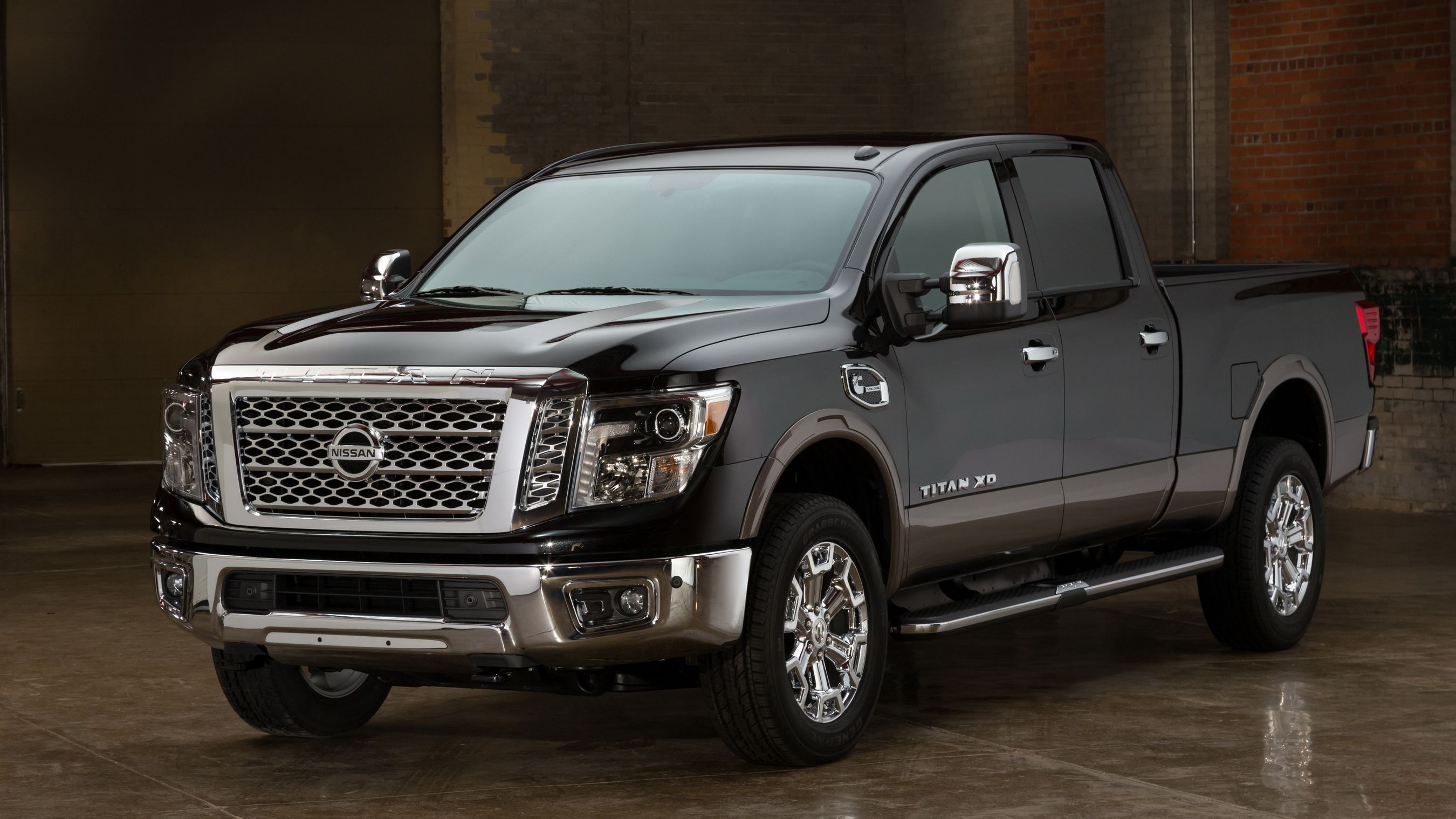
The 2016 Nissan Titan XD Diesel generated significant buzz upon its release, promising a bridge between light-duty trucks and heavier-duty options. Central to its appeal was the 5.0-liter Cummins V8 turbo-diesel engine. However, the question of long-term reliability has been a persistent one. Let's delve into the real-world performance, common issues, and overall dependability of the 2016 Titan XD Diesel.
The Cummins 5.0L V8 Turbo-Diesel: A Deep Dive
Developed in collaboration with Cummins, the 5.0L V8 turbo-diesel was designed to deliver a robust blend of power and fuel efficiency. Its key specifications include:
- Engine Type: 5.0L Cummins V8 Turbo-Diesel
- Horsepower: 310 hp @ 3,200 rpm
- Torque: 555 lb-ft @ 1,600 rpm
- Injection System: High-pressure common rail (HPCR)
- Turbocharger: Two-stage turbocharger (Holset M2)
- Block Material: Compacted Graphite Iron (CGI)
The use of Compacted Graphite Iron (CGI) for the engine block was a notable design choice, offering increased strength and reduced weight compared to traditional cast iron. The two-stage turbocharger aimed to provide strong low-end torque and improved throttle response across the rev range. The high-pressure common rail (HPCR) fuel injection system allowed for precise fuel metering, contributing to cleaner emissions and optimized combustion.
Real-World Reliability: Addressing the Concerns
Despite its innovative design, the 2016 Titan XD Diesel has faced its share of reliability concerns. These issues have been documented in owner forums, technical service bulletins (TSBs), and through warranty claims. While not every truck experiences these problems, potential buyers and current owners should be aware of them.
Common Issues and Problems
- Turbocharger Failure: The two-stage turbocharger, while advanced, has been a frequent source of complaints. Issues range from leaks to complete failure, often requiring expensive repairs or replacements. The complexity of the system and the high operating temperatures contribute to these problems. Early model year trucks seemed particularly prone to turbocharger issues.
- Diesel Particulate Filter (DPF) Problems: The DPF is crucial for reducing emissions, but it can become clogged, especially in vehicles primarily used for short trips or city driving. This leads to reduced performance, increased fuel consumption, and potentially costly repairs. Regular forced regeneration cycles are essential, but even with proper maintenance, DPF issues can arise.
- EGR System Issues: The Exhaust Gas Recirculation (EGR) system is designed to reduce NOx emissions by recirculating exhaust gases back into the intake manifold. However, the EGR cooler and valve can become clogged with soot and carbon deposits, leading to reduced engine performance, error codes, and potential engine damage.
- Fuel System Problems: High-pressure common rail (HPCR) systems are sensitive to fuel contamination. Water or debris in the fuel can damage the injectors and high-pressure fuel pump, leading to poor engine performance and costly repairs. Consistent use of high-quality fuel and regular fuel filter replacements are critical.
- Sensor Failures: Like many modern vehicles, the Titan XD Diesel relies on a multitude of sensors to monitor engine performance and emissions. Failures of sensors such as the mass airflow (MAF) sensor, oxygen sensors, and NOx sensors can trigger check engine lights and impact engine performance.
- Electrical Issues: Some owners have reported electrical problems, including issues with the wiring harness, connectors, and electronic control modules (ECMs). These issues can be difficult to diagnose and repair, often requiring specialized equipment and expertise.
Maintenance and Prevention: Maximizing Reliability
Proper maintenance is crucial for maximizing the reliability of the 2016 Titan XD Diesel. Adhering to the recommended service intervals and using high-quality parts and fluids can help prevent many of the common issues. Here are some key maintenance tips:
- Regular Oil Changes: Use the recommended oil type and change it according to the manufacturer's specifications. Diesel engines place greater stress on engine oil due to higher compression ratios and soot production.
- Fuel Filter Replacements: Replace the fuel filter at the recommended intervals to prevent fuel contamination and protect the fuel injection system.
- Air Filter Replacements: A clean air filter ensures proper airflow to the engine, optimizing performance and fuel efficiency.
- DPF Regeneration: Be aware of the conditions that trigger DPF regeneration and allow the process to complete uninterrupted. Avoid frequent short trips, which can prevent the DPF from regenerating properly.
- EGR System Cleaning: Consider having the EGR system inspected and cleaned periodically to prevent carbon buildup and ensure proper operation.
- Coolant Flushes: Regularly flush and replace the engine coolant to prevent corrosion and maintain optimal cooling system performance.
- Turbocharger Inspection: Inspect the turbocharger for signs of leaks or damage during routine maintenance.
Cost of Ownership: What to Expect
The cost of owning a 2016 Titan XD Diesel can be higher than that of a gasoline-powered truck, primarily due to the higher maintenance requirements and potential repair costs associated with the diesel engine. Factors to consider include:
- Fuel Costs: Diesel fuel prices can fluctuate and may be higher than gasoline in some areas. However, the Titan XD Diesel typically offers better fuel economy than comparable gasoline-powered trucks, especially when towing or hauling.
- Maintenance Costs: Diesel engine maintenance, such as oil changes and fuel filter replacements, tends to be more expensive than gasoline engine maintenance.
- Repair Costs: Repairs to the turbocharger, DPF, EGR system, and fuel injection system can be costly, especially if major components need to be replaced.
- Insurance Costs: Insurance rates for diesel trucks may be higher than for gasoline trucks due to the higher purchase price and potential repair costs.
The Verdict: Is the 2016 Titan XD Diesel Reliable?
The 2016 Nissan Titan XD Diesel presents a mixed bag in terms of reliability. While the Cummins 5.0L V8 turbo-diesel engine offers impressive power and towing capability, it is not without its flaws. The turbocharger, DPF, and EGR system are known weak points that can lead to costly repairs. Vehicles that have been meticulously maintained and used primarily for highway driving tend to experience fewer issues.
For potential buyers, a thorough pre-purchase inspection by a qualified mechanic is essential. Checking for signs of turbocharger leaks, DPF issues, and EGR system problems can help avoid costly surprises. Reviewing the vehicle's maintenance history and talking to previous owners can also provide valuable insights. Owners who are proactive about maintenance and address issues promptly are more likely to experience better long-term reliability. In conclusion, the 2016 Titan XD Diesel can be a capable and enjoyable truck, but potential owners must be aware of its potential weaknesses and prepared to invest in proper maintenance and repairs.
Alternatives to the 2016 Titan XD Diesel
If reliability is a primary concern, it's worth considering alternative trucks. Some options to explore include:
- Ford F-250/F-350 (with the 6.7L Power Stroke Diesel): While not without their own potential issues, the Ford Super Duty trucks have a generally strong reputation for reliability.
- Ram 2500/3500 (with the Cummins 6.7L Diesel): The Ram Heavy Duty trucks, also equipped with a Cummins diesel engine (albeit a different variant), offer a compelling alternative.
- Chevrolet Silverado 2500HD/3500HD (with the 6.6L Duramax Diesel): The Silverado HD trucks provide another option in the heavy-duty segment, with the Duramax diesel offering a good balance of power and reliability.
These alternatives often come with higher price tags, but they might offer a better long-term ownership experience for those prioritizing reliability.